The Principle — Dress Quietly, Arrive Prepared
Men's Funeral Attire: The Standard, Settled With Care
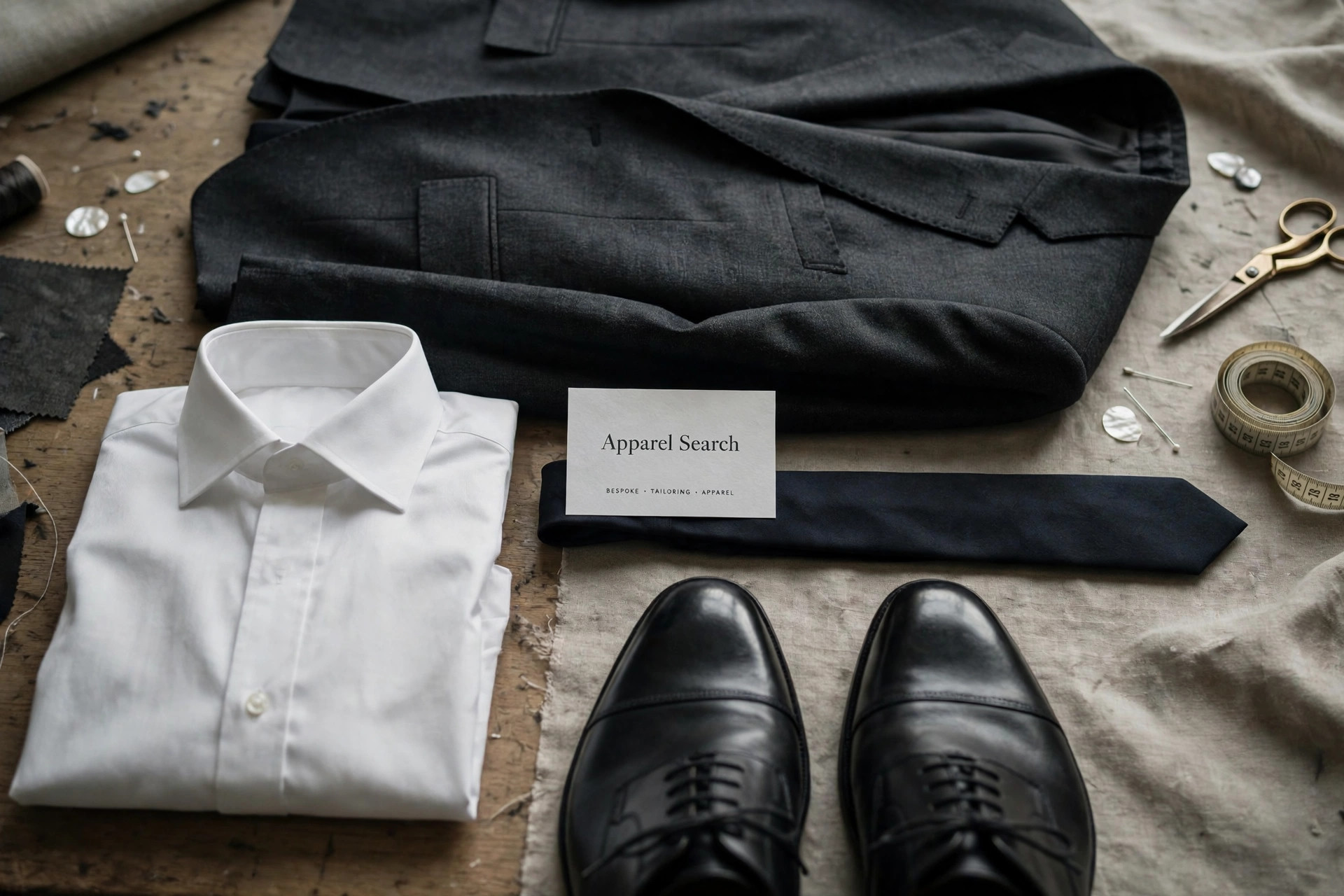
Funeral dressing has one purpose: respect for the person who has died and consideration for those grieving them. For men the convention is stable and deliberately unchanging — a dark suit, a white or pale shirt, a plain dark tie and polished black shoes. Nobody at a funeral is judging originality; the outfit succeeds when it is correct, clean and unnoticed, leaving attention where it belongs. This guide sets out that standard plainly, then covers the honest variations — no suit available, a wake rather than a service, hot weather, and the family’s own wishes, which come first.
It is the men’s companion to the women’s funeral attire guide, and the two share the same foundation: dark colours, covered shoulders and knees, nothing shiny, scented or attention-seeking. Where a family requests colour — some ask mourners to wear a favourite colour or a team scarf — that request overrules every convention on this page, and honouring it is itself the respectful act.
The Standard Outfit — Step by Step
Getting the Outfit Right, Step by Step
Assemble the standard outfit in this order — ten minutes’ work with a prepared wardrobe, and one more reason to keep a dark suit pressed and ready before it is needed.
- Start with the suit.
Charcoal or black is the first choice, dark navy the accepted alternative, in plain worsted wool without pattern or sheen. The men's suits guide covers fit; here, fit simply means clean lines, a buttoned jacket and trousers at a proper length.
- Add a plain shirt.
White is the standard, pale blue or very light grey the quiet alternatives, from the men's dress shirts guide end of the wardrobe. No contrast collars, no open neck at a formal service, and the shirt freshly pressed.
- Choose a plain dark tie.
Solid black, charcoal or deep navy, in a matte finish, tied in a simple knot and worn at the correct length. Patterns, stripes with any brightness and novelty ties stay in the drawer; the men's ties guide covers knots and lengths.
- Finish with black shoes and a coat that matches the tone.
Polished black leather dress shoes — the men's dress shoes guide covers the styles — with dark socks, and in cold weather a dark overcoat rather than a bright or technical jacket. An umbrella in black is a thoughtful final item, for yourself or to offer.
Variations — Wakes, Weather and No Suit
Wakes, Memorials, Hot Weather and Dressing Without a Suit
Wakes, viewings and memorial services usually run one step less formal than the funeral service itself: a dark blazer with charcoal trousers, or a dark sweater over a collared shirt and tie, is entirely correct — the men’s formalwear guide marks where the levels sit. Graveside and outdoor services add practical duties: shoes that cope with wet grass, and a coat warm enough that you are not visibly enduring the proceedings.
A man without a dark suit should not panic or stay away. Dark trousers, a white shirt, a dark tie and the darkest jacket or plain dark sweater he owns, all clean and pressed, meet the standard — attendance matters far more than tailoring. In hot weather, dark trousers with a white shirt and tie where local custom allows keep the tone; sunglasses and hats come off indoors.
Etiquette — The Part Beyond Clothing
Etiquette: What Matters More Than the Suit
Clothing is the visible half of funeral etiquette; conduct is the rest. Arrive early, silence the phone completely, and follow the family’s and officiant’s lead on standing, singing and processions. Keep sunglasses, hats and earphones off during the service, and take no photographs unless the family invites them.
Pallbearers, readers and immediate family should ask the family or funeral director what they would like worn; coordinated dark suits are customary for pallbearers, and a buttonhole flower is worn only when the family provides one. Children follow the same principle at their scale: darkest smart clothes, clean shoes, no slogans or sportswear. The aim at every age is identical — to be present, quiet and kind.
Good to Know
Common Questions
Does a man have to wear a black suit to a funeral?
No — charcoal is equally standard and dark navy is widely accepted, provided the suit is plain, the shirt white or pale, the tie dark and the shoes black and polished. A black suit is the most traditional choice, not the only correct one. What matters is the overall quiet, dark effect.
Can a man wear a funeral outfit without a tie?
At most modern services a dark suit with a white shirt and no tie is acceptable, particularly at wakes, memorials and in hot climates — but a plain dark tie remains the safer default whenever you are unsure of the family's expectations. If you may meet the family or take part in the service, wear the tie.
What should a man wear to a funeral if he does not own a suit?
His darkest trousers, a clean white shirt, a plain dark tie and the darkest jacket or plain dark sweater he owns, all pressed, with his smartest dark shoes cleaned. That combination shows clear respect, and no family measures grief support by tailoring. Being there, suitably dressed in this honest version, is what counts.
See also: Funeral: What Not to Wear — a careful guide to the common clothing mistakes to avoid, and what to do when you are unsure.
Keep Exploring
More to Explore on Apparel Search
Search Apparel Search