The System
Three Layers, Adjusted All Day
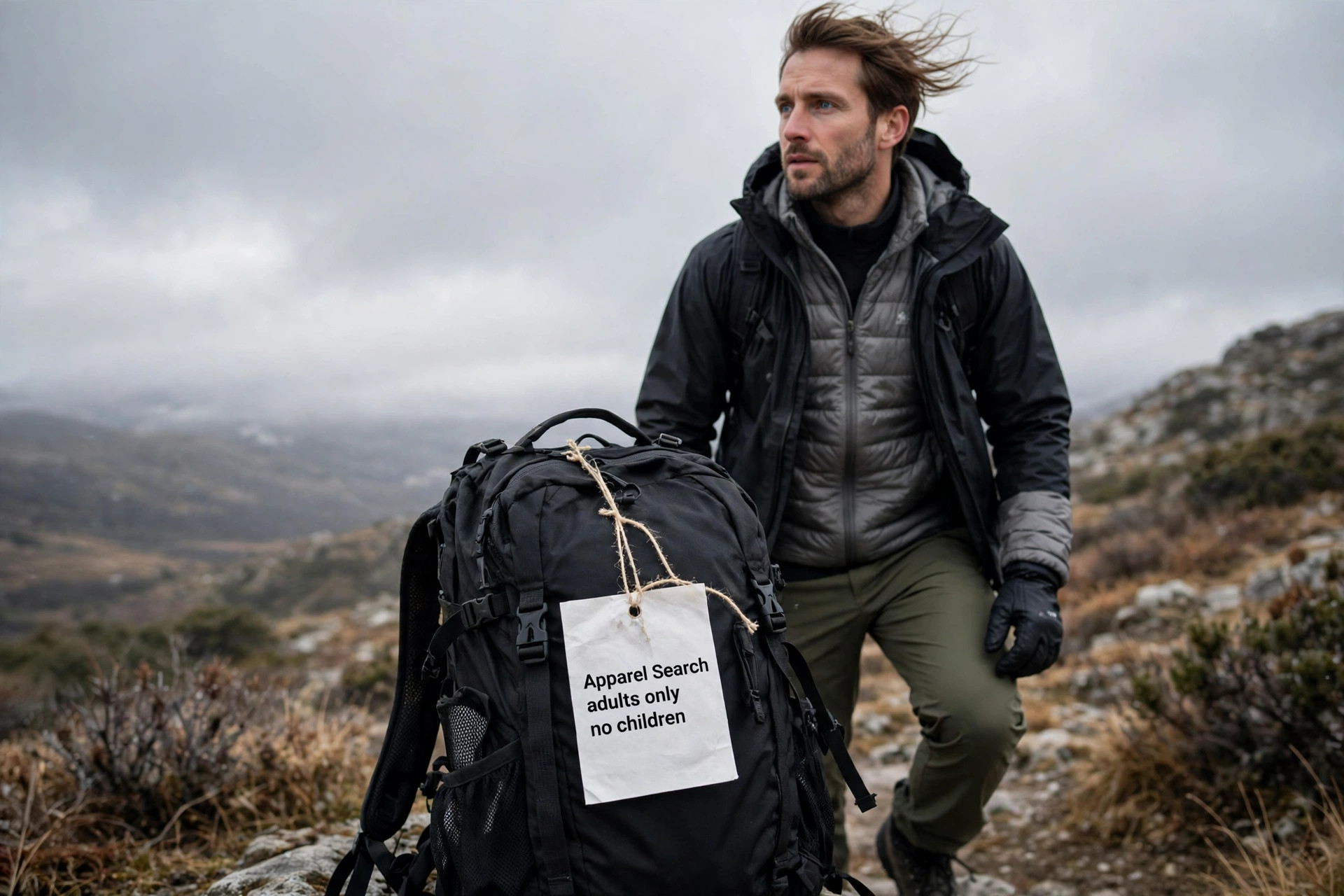
A man who hikes in one heavy coat spends the day swinging between overheating and chilling. The three-layer system replaces that coat with three specialists — a base that manages sweat, a mid layer that traps warmth and a shell that shuts out weather — combined and recombined as the trail changes.
Wicks sweat so skin stays dry. Synthetic for hard efforts and easy care, merino for comfort and multi-day wear.
Fleece while moving, insulation while stopped. This is the layer you add at summits, rests and cold starts.
Waterproof and windproof protection that lets the inner layers work, with vents to dump heat on climbs.
It is the same system that structures the full kit in our men’s hiking outfits guide — layering is how that outfit survives a forecast.
Base and Mid
Base Layers and the Working Mid Layer
The base layer should fit close, move sweat and dry fast. Synthetic tops are tough, cheap and quick-drying for high-output days; merino is more comfortable across temperatures and resists odour on multi-day trips. In cold weather add base-layer bottoms under hiking trousers — the cheapest warmth upgrade in the whole system. As everywhere in hiking, cotton is the material to leave at home. Length matters as well as fabric: a base top long enough to stay tucked prevents the cold stripe at the waist that appears every time you reach, bend or lift the pack onto your back.
The mid layer is where men most often over- or under-dress. A breathable fleece — the family covered in the men’s fleece sweatshirts guide — is the moving layer for most of the year. An insulated jacket, down in dry cold or synthetic in wet climates, is the stopped layer: pulled on at summits and lunch breaks, it prevents the rapid chill that follows hard effort. Carry both when temperatures drop; wear the fleece, pack the puffer.
Shell + Cold
Rain Shells and Cold-Weather Additions
A proper rain shell has a waterproof membrane, sealed seams, an adjustable hood that moves with your head, and vents — pit zips ideally — because a shell you cannot vent becomes a sauna on climbs. Check the fit over your full mid-layer stack, not over a tee in the shop. For dry, cold and windy days a soft shell worn as an outer layer breathes far better; carry the light waterproof anyway when storms are possible, a habit the men’s rainy day outfits guide reinforces for everyday dressing too.
Cold weather extends the system rather than replacing it: midweight base top and bottoms, fleece plus insulation, shell over all, and then the additions men forget — a warm hat, gloves with a liner-and-shell pairing, and a neck gaiter that covers the gap every jacket leaves. Insulated boots or waterproof boots with room for thicker socks finish the picture in snow.
Matrix
The Season-by-Layer Matrix
| Season | Base | Mid | Shell |
|---|---|---|---|
| Summer | Lightweight synthetic tee, worn alone | Light fleece packed for high ground | Packable waterproof, carried |
| Spring / Autumn | Light- to midweight long-sleeve base | Fleece on and off through the day | Waterproof shell in wind and showers |
| Winter | Midweight base, top and bottoms | Fleece plus insulated jacket for stops | Full waterproof shell; hat, gloves, gaiter added |
Adjust the matrix with the temperature guide and with honesty about your own pace: fast walkers run a row warmer, photographers and birdwatchers — anyone who stops often — run a row colder. Start the walk slightly cool, vent before you sweat, and add insulation the moment you stop. Those three habits, more than any purchase, are what make layering work.
Questions
Common Questions
What is the men’s three-layer system for hiking?
A wicking base layer next to the skin, an insulating mid layer such as fleece or a light puffer, and a protective shell against wind and rain. You combine the three as effort and weather change, rather than relying on one heavy coat.
What should I add for cold-weather hiking?
Add a warmer midweight base, an insulated jacket for stops, insulated or shell trousers in serious cold, plus warm hat, gloves and neck coverage. Extremities chill first, so head and hand layers matter as much as the torso system.
Is a waterproof shell or a soft shell better for men’s hiking?
A waterproof shell is the safer default: it handles real rain, which a soft shell only resists. Soft shells breathe better for dry, cold, active days, so many hikers use a soft shell as a working layer and carry a light waterproof for storms.
More to Explore
Search Apparel Search