Men's Motorcycle Jackets Guide
A motorcycle jacket is protective clothing built for the ride - a jacket engineered against wind, weather and the road itself, in leather or specialized technical fabric, with armor at the points a fall reaches first. This page sits among the men's jackets, the black leather motorcycle jackets and the bomber jackets. The safety frame: to improve motorcycle safety, many countries mandate personal protective equipment such as protective clothing and helmets, and jackets meant for motorcyclists are typically made of leather or specialized man-made fabrics like Cordura or Kevlar, with heavy padding on the elbow, spine and shoulder regions. This guide is the buyer's version of that specification.
Shop Men's Motorcycle Jackets Now
Shop Men's Motorcycle Jackets on Amazon Shop Men's Motorcycle Jackets on eBayThe Amazon and eBay links on this page are affiliate links. If you make a purchase through them, Apparel Search may earn a commission.
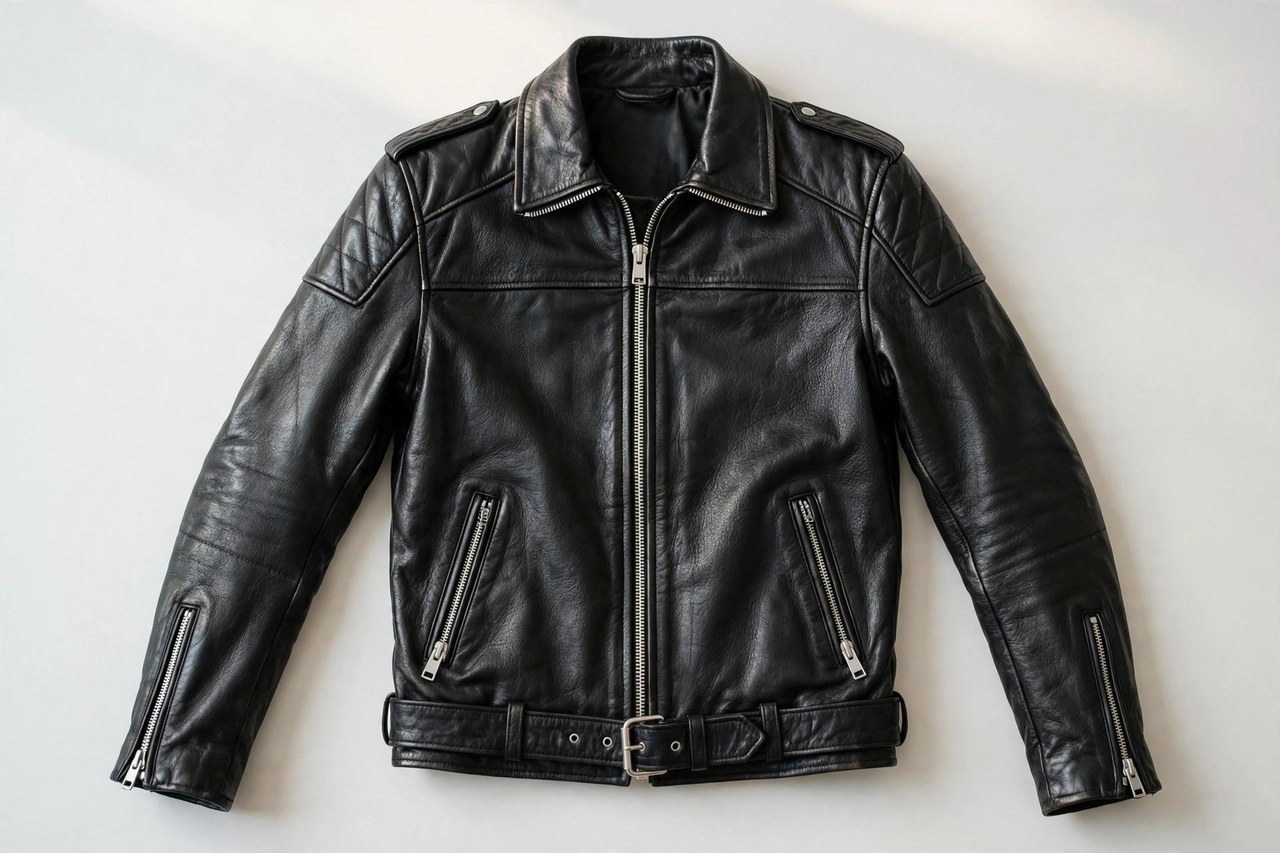
A motorcycle jacket is protective clothing built for the ride - a jacket engineered against wind, weather and the road itself, in leather or specialized technical fabric, with armor at the points a fall reaches first. This page sits among the men's jackets, the black leather motorcycle jackets and the bomber jackets. The safety frame: to improve motorcycle safety, many countries mandate personal protective equipment such as protective clothing and helmets, and jackets meant for motorcyclists are typically made of leather or specialized man-made fabrics like Cordura or Kevlar, with heavy padding on the elbow, spine and shoulder regions. This guide is the buyer's version of that specification. This guide is built around the questions buyers actually ask: which style, which size, which fabric, and what will it look like after a year of real use - answered in order, with the trade-offs stated plainly.
Leather Versus Technical, Armor Inside
Sort by material and mission. Leather - thick cowhide above all - is the abrasion standard: it slides rather than grips, resists tearing, and a quality hide survives a fall that shreds textile. Technical textiles answer with weatherproofing, ventilation and lighter weight for touring and commuting, usually with membranes and vents leather cannot offer. Inside either shell sits the armor: impact protectors at shoulders, elbows and back, rated to CE levels, removable in better jackets so the shell can be cleaned and the armor upgraded. Styles map to bikes and tribes - the asymmetric-zip cruiser jacket adapted from tank corps gear in motorcycling's early leather era; the clean cafe racer; the textile adventure jacket with its pockets and liners. Fashion motorcycle jackets borrow the silhouette without the armor, the hide weight or the price: honest as style, but they are not protective equipment and should never be sold to yourself as such.
Outerwear value hides below the surface: taped versus merely stitched seams, a zipper whose slider runs true under one hand, cuffs and hems that adjust to seal weather out, and a lining slippery enough to glide over the layers beneath. Shoulder build decides the hang over knitwear or a jacket, and pocket engineering decides whether hands and kit ride where your body expects them. Specify for the worst honest day, not the brochure day.
Fit It at the Bars
Fit a motorcycle jacket in the riding position, because that is its workplace: seated, arms forward to the bars, the back of the jacket should not pull the collar into your throat, the sleeves should still cover the wrists with arms extended, and the armor should sit on the joints it protects - shoulder cups on the points, elbow cups on the elbows - in that posture, not just standing. The body should be snug enough that the armor cannot migrate in a slide, loose enough for the layers your climate demands, with the thermal liner in and out both tested. A jacket fitted only in the showroom mirror is fitted for the showroom. If you ride in heat, vents and perforation are fit decisions too: an unbearable jacket gets left at home, and the safest jacket is definitionally the one being worn.
Fit outerwear over the bulkiest layer it will honestly cover, and test the working range: arms forward as if driving, arms overhead, sitting with every closure fastened. The coat's shoulders should echo yours rather than extend past them, closures should meet without strain, and the hem must reach the coverage the garment exists to give. A coat fitted over a T-shirt alone belongs to a climate you may not live in.
Safety Equipment, Wardrobe Lifespan
Leather versions follow leather's rules - broad hanger, breathable storage, conditioning on schedule, professional cleaning - with the rider's additions: dry a soaked jacket slowly and completely before conditioning, work zippers and snaps through their travel, and check armor pockets and linings after any fall, however small. Textile jackets wash by their membranes' instructions, reproof when water stops beading, and keep their armor removed for washing where the maker directs. Inspect seams at the shoulders and elbows each season; they are the structure. A real motorcycle jacket is safety equipment with a wardrobe's lifespan - maintained like the first, it will serve like the second for decades.
Hang outerwear on broad hangers that carry the shoulders, rest it between wears, and resist washing it often - spot-clean first, and wash by the maker's method with the detergent the fabric demands when a full clean is due. Refresh water-repellent finishes when rain stops beading, never store a coat dirty or compressed, and send leather and tailored pieces to professionals rather than experimenting at home.
Common Questions
What is the best material for a motorcycle jacket?
Leather is the abrasion standard - thick cowhide slides and resists tearing better than any textile in a fall, which is why racing and traditional riding jackets use it. Technical textiles with aramid reinforcement answer with waterproofing, venting and lighter weight for touring and commuting. The classic pair is leather, or specialized man-made fabrics like Cordura or Kevlar. Choose by your riding: distance and weather argue textile; abrasion purity argues hide.
What armor should a motorcycle jacket have?
Impact protectors at the shoulders, elbows and back, rated to CE Level 1 or the more protective Level 2, seated in pockets that hold them on the joints in the riding position. Better jackets make the armor removable for cleaning and upgrading, and the back protector - often sold as a basic insert - is the upgrade most worth making. Padding alone, the heavy quilted kind in fashion versions, is comfort, not armor.
How should a motorcycle jacket fit?
Test it seated with arms forward, as if at the bars: sleeves still covering the wrists, back not dragging the collar into your throat, armor sitting exactly on shoulders and elbows in that posture. The fit should be snug enough that armor cannot shift in a slide, with room for the layers and liners you actually ride in. Standing-in-the-mirror fit is how jackets end up protective everywhere except on the bike.
More in Men's Clothes Guide M
Protective Clothing, Specified
The garment is, first, safety equipment. To improve motorcycle safety, many countries mandate personal protective equipment such as protective clothing and helmets; protective clothing may include certain types of jackets, gloves, boots and pants. Jackets meant for motorcyclists are typically made of leather or specialized man-made fabrics like Cordura or Kevlar, and typically include heavy padding on the elbow, spine and shoulder regions. The leather tradition goes back to its beginnings — motorcycle leathers were adapted from tank corps gear in the years immediately following the First World War — and placed the style among the black leather motorcycle jackets and bomber jackets guides. Both guides are linked below.
Looking for Men's Clothing Stores?
This guide explains men's motorcycle jackets. To browse where to buy, visit our men's clothing store directory, where you can find retailers that carry them.