Men's Urban Fashion Guide
Men's urban fashion is the styled side of city clothing: the streetwear-influenced combinations, limited-run pieces and silhouette choices that turn functional urban apparel into a deliberate look. Where our Urban Apparel guide covers the garments as products, this guide covers the fashion system around them - how drops and collaborations work, how the key silhouettes are built, and how to buy into the style without paying hype prices for ordinary construction.
Shop Men's Urban Fashion Now
Shop Men's Urban Fashion on Amazon Shop Men's Urban Fashion on eBayThe Amazon and eBay links on this page are affiliate links. If you make a purchase through them, Apparel Search may earn a commission.
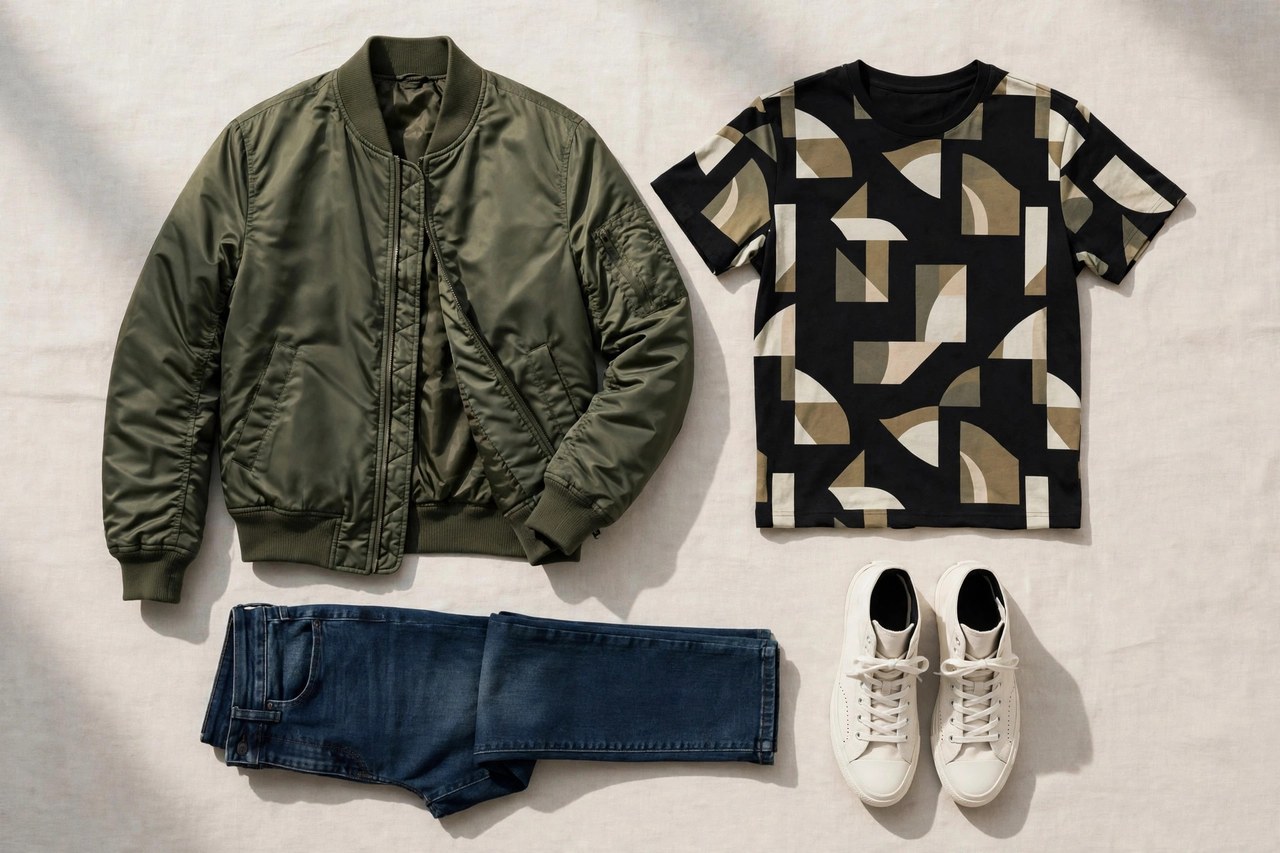
Men's urban fashion is the styled side of city clothing: the streetwear-influenced combinations, limited-run pieces and silhouette choices that turn functional urban apparel into a deliberate look. Where our Urban Apparel guide covers the garments as products, this guide covers the fashion system around them - how drops and collaborations work, how the key silhouettes are built, and how to buy into the style without paying hype prices for ordinary construction. This guide is built around the questions buyers actually ask: which style, which size, which fabric, and what will it look like after a year of real use - answered in order, with the trade-offs stated plainly.
Styles and Construction
The system's engine is the drop: clothing released in limited quantities on a set date rather than stocked continuously, which is why urban fashion shopping runs on release calendars, raffles and resale markets as much as on shelves. The silhouettes cycle but the vocabulary is stable - oversized and boxy tops over slim or stacked legs, or the reverse; layering of tees, hoodies, overshirts and bomber or coach jackets; sneakers as the outfit's headline, with high-tops, retro runners and chunky soles taking turns. Graphics carry identity: chest logos, back prints, embroidered marks. The buying discipline this demands is verification - of authenticity (resale fakes are endemic), of construction (a hyped hoodie should still be heavyweight fleece with real ribbing), and of your own wardrobe (a statement piece earns its price only if the basics around it already work).
The durable buying order is job, specification, budget - in that sequence. Decide what the garment must do, translate that into fiber, weight, construction and size numbers, and only then shop price. Read labels as specifications, inspect the garment inside out where finishing is unposed, and prefer the maker who publishes measurements to the one who publishes adjectives. A garment that matches your measurements, climate and laundry will be worn; one that misses any of the three becomes expensive storage.
Fit and Sizing
Fit in urban fashion is a chosen silhouette, not a default size. Oversized pieces are patterned with dropped shoulders and extra body length - buying a regular garment two sizes up gives the length without the pattern and looks borrowed rather than styled. Slim urban fits follow the body closely and depend on elastane blends to move. Whichever register you choose, keep one element anchored to your true size - usually the leg or the shoe - so the proportions read intentional.
Measure yourself once a year and keep the numbers - chest, waist, inseam, foot, head - because bodies drift gradually while size habits never do. Shop from measurements, try garments under real conditions (over layers, in your own shoes, late in the day for footwear), and be honest about alterations: lengths and small waist changes tailor beautifully; shoulders, rises and patterns are the garment you bought forever.
Wearing and Care
Care follows the garments' real fabrics, not their image: graphics inside out and cool, fleece dried gently, premium sneakers cleaned by hand and rotated. Limited pieces deserve garment bags and folded storage for knits. Resale value, if you care about it, is preserved by keeping original packaging and receipts and by wearing pieces in rotation rather than to death - but buy to wear first; clothing kept mint for a hypothetical buyer is a storage cost wearing a costume of investment.
Five minutes when a garment comes off - shake it out, hang or fold it correctly, note the stain and the loose button - prevents most of the damage later blamed on quality. Keep a small kit where the clothes live: brush, lint roller, conditioner suited to your leathers, black, navy and grey thread. Clothing rarely dies at once; it fades by small neglects, and small attentions reverse the process at the same pace.
Common Questions
How can I tell if a streetwear piece is worth its price?
Judge it as a garment before judging it as a release: fabric weight and composition, stitching density, ribbing and hardware quality, print method. A heavyweight, well-finished hoodie at a fair price is a good buy with or without hype; a thin one is not rescued by a logo. Then judge fit on your body and compatibility with what you own - the two things no resale chart can tell you.
Are limited drops and resale prices a safe investment?
No. A small number of pieces appreciate; most depreciate like other clothing, and the market is volatile and full of counterfeits. Buy urban fashion to wear, in your size, at prices you can justify as clothing. If a piece later holds value, that is a bonus - building a wardrobe on speculation usually builds a closet of unworn regrets instead.
What are the essential urban fashion pieces for a man starting out?
A heavyweight hoodie in a neutral color, one graphic or logo tee you genuinely like, slim or tapered denim, a clean pair of sneakers in a versatile colorway, and one light jacket (bomber or overshirt). That kit combines into most of the category's standard looks; add statement pieces one at a time, testing each against the kit before buying.
More in Men's Clothes Guide U
Background and History
Men's Urban Fashion guide and information resource about Men's Urban Fashion Men's Urban Fashion : Directory and Information Regarding Men's Urban Fashion presented by Apparel Search Urban Apparel Guide Streetwear Young Men's Retailers Men's Clothes Clothes Fashion Fashion Designers Popular Brands Apparel Men's Clothing Stores Men's Clothing Wholesalers Welcome to the worlds greatest guide to Men's Urban Fashion . Are you actually looking for urban fashion for men? Well, we hope you are because the reality is that you have found our young men's urban fashion page. Urban fashion occasionally goes by different names. Just like the fast moving style, the name of this category of clothing changes from time to time as well. Young men's, urban, street, hip hop, etc. Hip hop fashion , also referenced as big fashion from time to time, is a distinctive style of dress originating from inner city youth. Not sure exactly when the term hip-hop fashion began but it possible started in New York City. Followed by Los Angeles, Houston, Chicago, Philadelphia, the
Looking for Men's Clothing Stores?
This guide explains men's urban fashion. To browse where to buy, visit our men's clothing store directory, where you can find retailers that carry them.