Women's Career Shoes Guide
Polished enough for the boardroom, practical enough for the commute — career shoes carry your professional image from the ground up.
Shop Women's Career Shoes Now
Shop Women's Career Shoes on Amazon Shop Women's Career Shoes on eBayThe Amazon and eBay links on this page are affiliate links. If you make a purchase through them, Apparel Search may earn a commission.
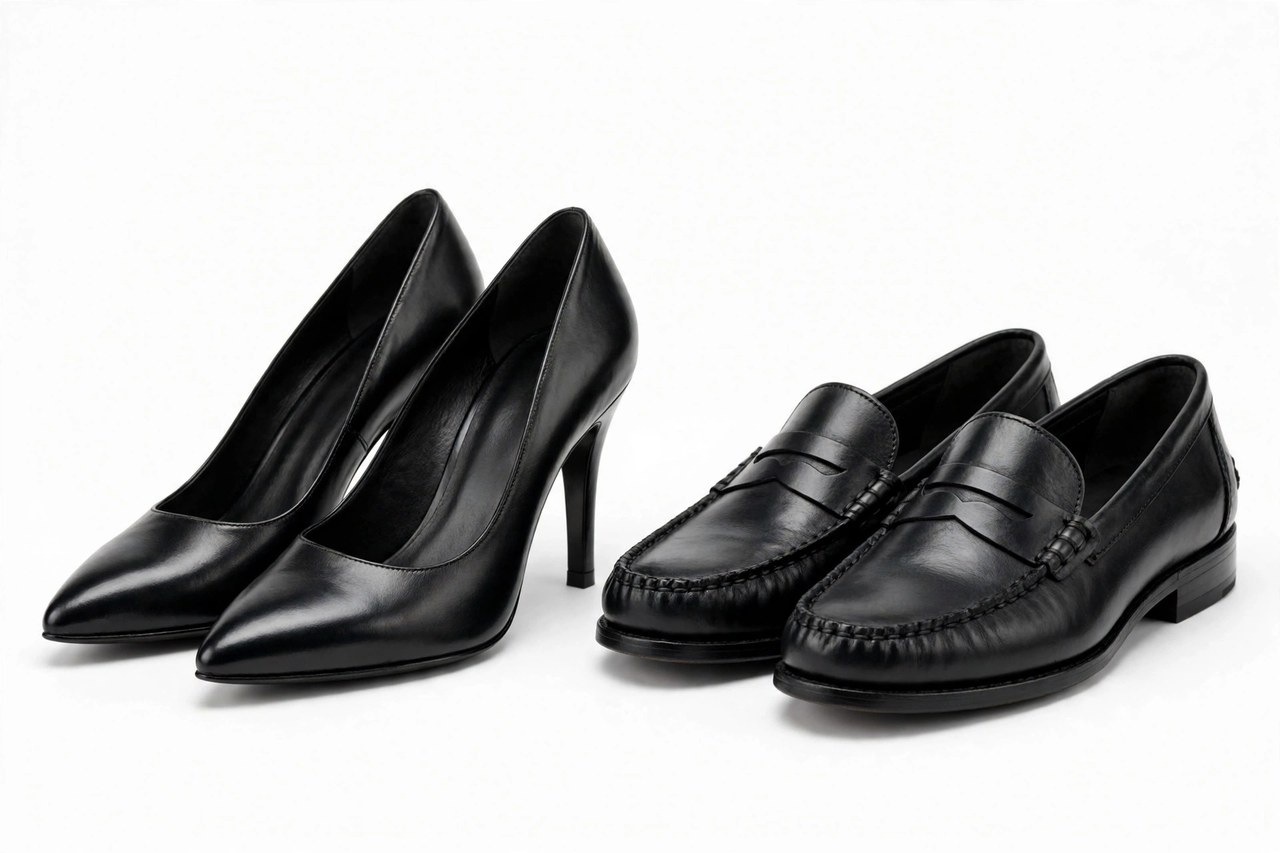
Career shoes are the footwear of professional life: closed, polished, and quiet enough never to distract from the wearer in a meeting, interview, or presentation. The category is built around a few proven shapes — the pump, the loafer, the polished flat, and the low ankle boot — in leather or convincing leather-look materials, in black, navy, brown, and deep neutrals. Unlike fashion shoes, career shoes are judged on a double standard: they must look composed at four in the afternoon and still be wearable on the walk to the station, in the rain, and up office stairs. That is why heel height, sole grip, and internal cushioning matter as much as appearance here. A well-chosen career shoe wardrobe is small but hardworking: two or three pairs in rotation will cover interviews, ordinary office days, client visits, and conferences without a single morning of shoe anxiety.
The Core Styles: Pumps, Loafers, and Flats
The pump is the formal anchor: a closed toe, a closed heel, and a clean front with little or no decoration. Pointed toes read sharpest with tailoring, almond toes are the comfortable middle ground, and round toes feel friendliest. Loafers — penny, tassel, and horsebit styles — bring a flat or low-heeled option that is fully professional with trousers and increasingly accepted with dresses; a slim loafer in polished leather is the modern answer for women who do not wear heels. Ballet flats qualify for most offices when they are structured, leather, and free of casual fabric or heavy embellishment. Low ankle boots in smooth leather work through autumn and winter with trouser suits and dresses alike. Open toes, sandals, and very high platforms sit outside the career category in conservative workplaces, whatever fashion is doing. Start with black, then add navy or a deep burgundy or brown that matches your most-worn suits, and only then consider a lighter neutral for summer tailoring.
Heel Heights: Interview to Boardroom
Heel height is the most consequential career-shoe decision. For interviews, a mid heel of roughly one and a half to two and a half inches is the widely trusted range: enough to sharpen posture and tailoring, low enough that your walk stays natural and unhurried. Kitten heels and low block heels suit long days on your feet and give stability on marble lobbies and wet pavements. Block heels in general distribute weight better than stilettos and read just as professional in most industries. Reserve higher, slimmer heels for settings where you will mostly be seated, or where your industry — law, finance, and media differ here — genuinely expects them. Platform pumps reduce the effective angle of the foot and can make height wearable, but a very visible platform can look more evening than office.
Materials and Construction for Daily Wear
Smooth leather is the career standard because it polishes, resists scuffs being visible, and can be refurbished by a cobbler for years. Patent leather adds formality and shrugs off rain, though it shows fingerprints and cannot be stretched. Suede is acceptable in many offices in dark colors but dislikes wet commutes. Look inside the shoe as carefully as outside: a padded insole, especially under the ball of the foot, a breathable lining, and a cushioned collar at the heel separate genuine work shoes from dress shoes merely styled to look serious. Soles matter for safety and silence; leather soles are traditional but slippery when new and noisy on hard floors, so many career shoes now use rubber or rubber-topped soles that grip quietly. A steel or firm nylon shank supports the arch on mid heels. Check that heels are firmly attached and tips are replaceable, because heel tips are the fastest-wearing part of any pump and the cheapest repair a cobbler offers.
Fit and the All-Day Comfort Strategy
Fit career shoes for the end of the day, not the morning. Feet swell after hours of sitting and walking, so shop in the afternoon and allow room for toes to lie flat without pressing the end. Pumps should hold the heel without gripping it painfully; a heel that slips with every step will blister, and pads only partly compensate for a wrong size. Women who commute often adopt a two-shoe strategy: walk in trainers or sturdy flats, keep career shoes at the office or in a bag, and change on arrival. It looks unglamorous and saves both feet and expensive leather from pavement wear and weather. Rotate pairs daily so each rests at least a day, which doubles their working life. If your job keeps you standing, consider cushioned insoles made for dress shoes, and be honest about heel height — no professional image benefits from a wearer in visible discomfort by mid-afternoon.
Styling, Care, and Looking Intentional
Career shoes should match the formality of the outfit, not outshine it. Black pumps anchor dark suits, navy shoes or black both work with navy tailoring, and nude-to-you tones lengthen the leg under lighter dresses and skirts. Keep hardware minimal and consistent with your other accessories, and let one element — shoe, bag, or jewelry — carry any shine. Trouser length is cut for a heel height, so keep a consistent heel family for your work trousers or have them hemmed for the shoes you wear most. Care is what keeps career shoes professional: wipe them down after wear, polish smooth leather regularly, use shoe trees to hold shape and absorb moisture, and replace worn heel tips before the nail beneath damages floors and your gait.
Related Women's Guides
Photos

More to Explore on Apparel Search
Looking for Women's Clothing Stores?
This guide helps you choose women's career shoes by style, material and fit. To browse where to buy, visit our women's clothing store directory, where you can find retailers that carry them.