Women's Chemise Guide
A straight, loose fall of fabric with centuries of history — the simplest sleep garment is also one of the oldest.
Shop Women's Chemises Now
Shop Women's Chemises on Amazon Shop Women's Chemises on eBayThe Amazon and eBay links on this page are affiliate links. If you make a purchase through them, Apparel Search may earn a commission.
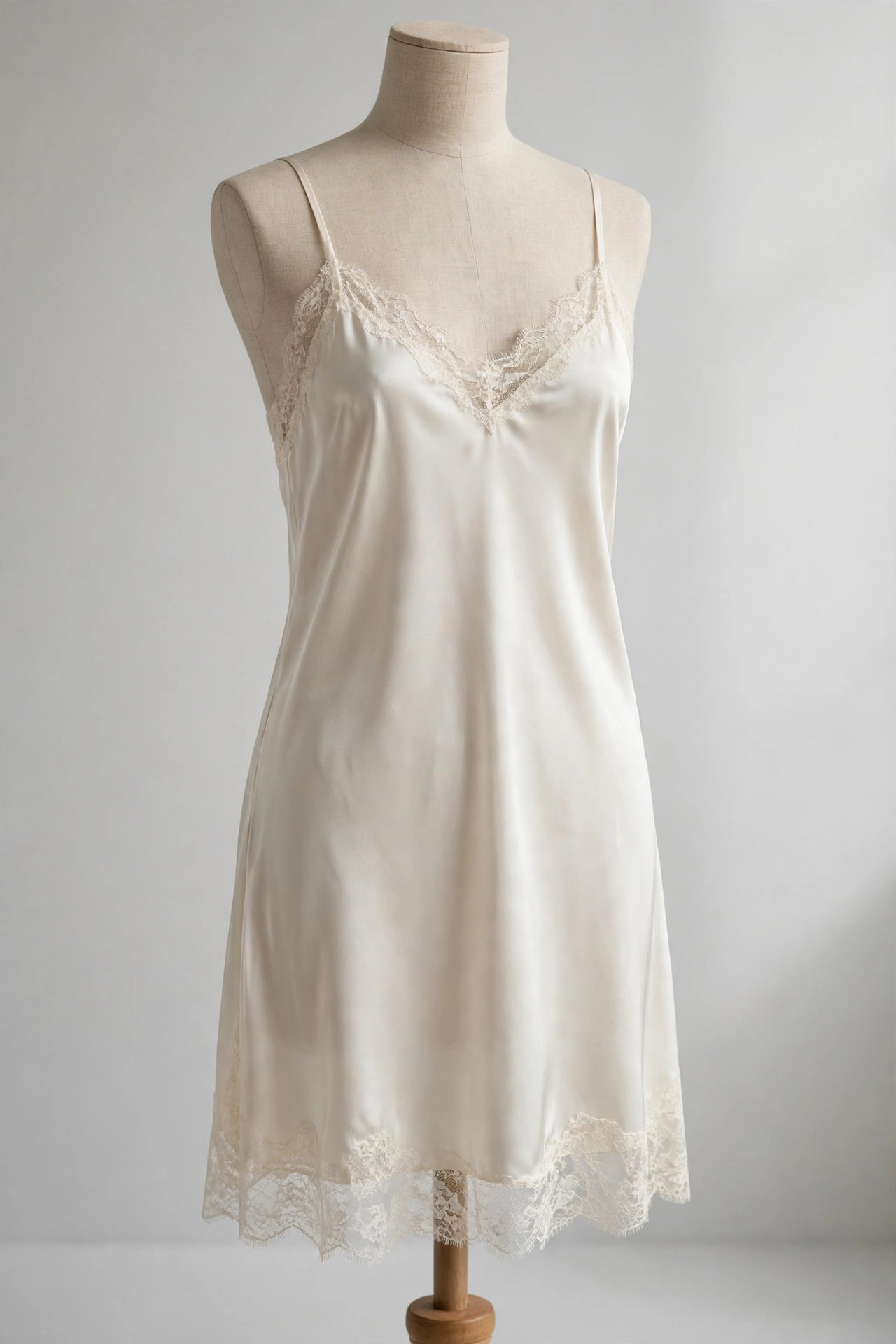
A chemise is a loose, straight-cut garment, usually sleeveless or with short sleeves, worn today as a nightdress or as a simple slip layer. Its outline is deliberately uncomplicated: it hangs from the shoulders, falls past the waist without shaping, and ends anywhere from mid-thigh to the ankle depending on the style. Nothing in a chemise cinches, boning is absent, and closures are rare — most slip over the head or fasten with a few small buttons at the neck. That simplicity is the source of its comfort for sleep, since the fabric can move with the body through the night instead of binding it. Modern chemises add decoration the original never had, including lace edges and bias cuts, but the underlying idea remains the same: a soft, washable layer between skin and everything else.
From Medieval Undergarment to Nightdress
For most of its long life the chemise was underwear, not sleepwear. In medieval Europe it was the washable linen layer worn against the skin under heavy outer garments that could not be laundered, protecting them from body oils and sweat; versions of it, sometimes called a shift or smock, were worn by every social class. Through the eighteenth and nineteenth centuries it stayed beneath dresses, growing shorter and more decorated as fashions changed. The twentieth century rearranged the wardrobe: as slips took over the undergarment role and pajamas arrived for sleep, the chemise migrated to the bedroom and lengthened into the nightdress form sold today. Its history explains its character — a garment designed for closeness to the skin, easy washing, and unstudied comfort rather than display.
Chemise, Slip, Nightgown: Clearing Up the Names
Sleepwear and lingerie labels overlap, and the chemise sits at the crossing point. A slip is an undergarment meant to be worn beneath a dress to smooth lines and prevent show-through; it is usually straight, plain, and invisible by design. A nightgown is the broad sleepwear category covering everything from long flannel gowns to brief lace styles. The chemise belongs to both histories but is best understood as a short-to-mid-length, loose nightdress with minimal shaping, typically with thin or short sleeves and a soft, natural drape. A bias-cut chemise clings more than a straight-cut one and reads dressier; a cotton chemise with buttons reads as classic sleepwear. Babydoll styles, which are fitted at the bust and flared with a very short hem, are a different garment despite the shared shelf space. Knowing the distinctions helps you buy the loose, comfortable piece the name promises rather than a structured slip that happens to be shelved beside it.
Fabrics: Silk, Cotton, Satin and Knits
Fabric choice decides whether a chemise feels like a luxury or a workhorse, and both have their place. Silk is the traditional premium option: smooth against skin, light, and naturally temperature-regulating, though it asks for gentle washing and a higher price. Cotton chemises — in batiste, lawn, jersey, or flannel for winter — breathe beautifully, wash without fuss, and soften over time, making them the practical everyday standard. Satin woven from polyester imitates silk’s glide at a lower cost and resists wrinkles, but it breathes less and can feel warm on summer nights. Modal and bamboo-derived knits bring stretch and a cool hand-feel suited to restless sleepers. Lace trim, usually at the neckline or hem, should be soft rather than scratchy; feel it against your inner wrist before buying. Whatever the fabric, hold the chemise up to the light if opacity matters to you, since pale nightwear in thin fabric can be more revealing than expected.
Choosing Length, Cut and Fit for Sleep
Sleep comfort begins with freedom to move, so a chemise should skim rather than hug. Check that the armholes are cut generously enough not to bind when you raise your arms, that the neckline sits without slipping off a shoulder unless that is the style, and that the hem gives your legs room to bend and turn. Length is personal: thigh-length chemises feel cool and unencumbered, knee-length styles balance coverage and ease, and long chemises suit cold rooms and those who prefer full coverage. Bias-cut versions drape closer to the body and look elegant, but they reveal more of the body’s shape and can twist during sleep; straight cuts move independently and forgive more. Adjustable straps help fine-tune length and neckline on slip-style chemises. If you run cold, look for short sleeves or pair the chemise with a robe rather than sizing up into a shapeless fit that slides around all night.
Care for a Garment Meant to Last
The chemise was invented to be washed often, and modern care is mostly about protecting fibers and trim while doing so. Cotton styles tolerate regular machine washing in cool water and gentle detergent; turn them inside out to preserve prints and embroidery. Silk chemises prefer hand washing or a mesh bag on a delicate cycle with a mild detergent made for delicates, and they should dry away from direct heat and sunlight, which weaken the fibers and fade color. Satin and knit chemises wash easily but snag on hooks and zippers, so wash them separately or bagged. Check lace edges after washing and catch a loose thread early, before a hem unravels. Store chemises folded in a drawer rather than hung by thin straps, which can stretch over time. A well-made chemise rewards this small attention by staying soft, smooth, and comfortable for years of nightly wear.
Related Women's Guides
Photos

More to Explore on Apparel Search
Looking for Women's Clothing Stores?
This guide helps you choose women's chemises by style, fabric and fit. To browse where to buy, visit our women's clothing store directory, where you can find retailers that carry them.