Women's Clam Digger Pants Guide
Just below the knee, cuffs rolled — the seaside original that predates the capri craze.
Shop Women's Clam Digger Pants Now
Shop Women's Clam Digger Pants on Amazon Shop Women's Clam Digger Pants on eBayThe Amazon and eBay links on this page are affiliate links. If you make a purchase through them, Apparel Search may earn a commission.
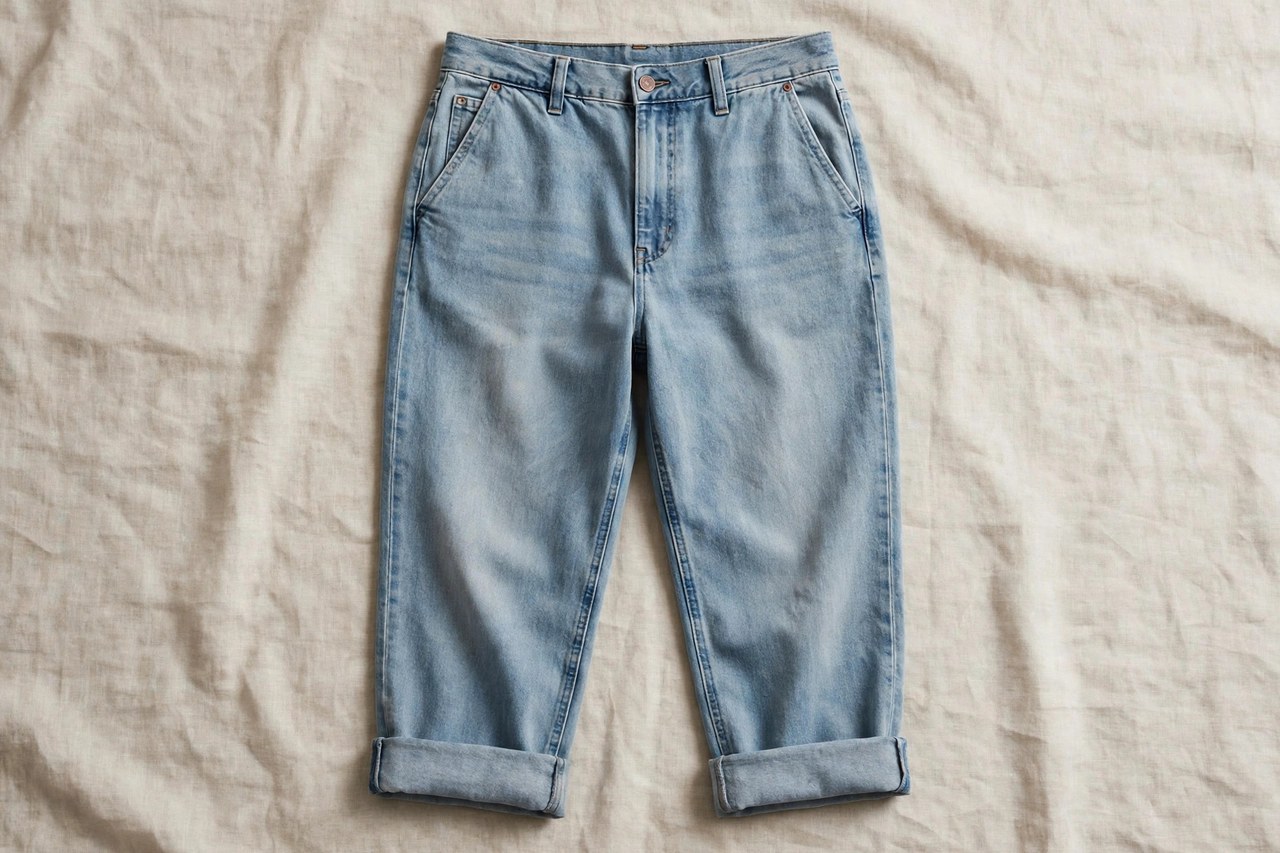
Clam diggers are trousers that end just below the knee — shorter than capris, longer than shorts, with a hem that typically sits at the top of the calf and often finishes in a cuff meant to be rolled. That in-between length is the whole identity of the style, and it is frequently confused with its neighbors, so the distinctions matter. Bermuda shorts end above the knee. Clam diggers cover the knee and stop just past it. Capris continue to mid-calf. Cropped pants run to the ankle. Within that map, clam diggers occupy the most retro, most seaside position: practical, a little playful, and unmistakably vintage in character. They suit warm days when shorts feel too brief and full pants feel too hot, and they carry a story that begins not in a fashion house but on a New England mudflat at low tide.
Named for the Mudflats: A Seaside History
The name comes from literal clam digging. On the New England coast, diggers working the tidal flats needed trousers they could roll or cut above the mud and shallow water while keeping their knees covered for kneeling in wet sand — and the below-the-knee length, rolled up a turn or two, was the practical answer. By the 1940s and 1950s the style had moved from workwear to beach and resort wear, appearing in summer catalogs as a women's leisure trouser, often in denim, chambray, or striped seersucker with a buttoned or rollable cuff. It rode the same postwar wave of casual dressing that soon produced the slimmer, longer capri, and the capri largely eclipsed it. Clam diggers never vanished entirely — they persist in retro, rockabilly, and coastal styling, and they resurface whenever fashion rediscovers mid-century summer dressing. Wearing them today is a small, knowing nod to that history.
How Clam Diggers Differ From Capris and Crops
Shoppers mix these lengths up constantly, and retailers do not always help, so use the hem as your guide and ignore the label when they disagree. Clam diggers: hem just below the knee, often cuffed, leg usually straight or slightly loose, mood retro and casual. Capris: hem at mid-calf, leg usually slim and tapered, mood polished resort classic. Cropped pants: hem above the ankle, leg any width, mood modern and minimal. The fit philosophy differs too. Capris are meant to skim the calf; clam diggers are meant to hang a little looser, because the original garment needed room to roll up and to kneel. If a so-called clam digger fits like a legging to mid-calf, it is a capri wearing a borrowed name. Knowing the map keeps you from ordering the wrong length online, where product photos on models of different heights make every hem look identical.
Cuffs, Leg Shapes, and Signature Details
The cuff is the clam digger's signature. A sewn turn-up cuff gives a finished, deliberate line and holds its shape in the wash. A roll-up design with button tabs lets you adjust the length — rolled once for the classic look, twice toward a long-short on the hottest days. Some styles add a small side slit or a button detail at the hem, a leftover from the practical need to free the knee. Leg shapes run from straight and relaxed, the most authentic, to a gentle taper for a neater profile. Waistbands are typically mid-rise with a zip fly, though pull-on knit versions exist for pure comfort wear. Pockets follow the casual brief: slash fronts and patch backs, deep enough to be useful at the beach or in the garden. Avoid overly wide legs at this length, which can read as unfinished trousers rather than an intentional style.
Fabrics Built for Summer and Shorelines
Clam diggers were born outdoors, and their fabrics still reflect it. Denim and chambray are the heritage choices — durable, forgiving of sand and soil, and better with a little fading. Cotton twill in khaki, navy, or faded red delivers the classic coastal palette with a cleaner finish than denim. Seersucker and madras bring pattern and maximum airflow for humid climates, leaning fully into the vintage summer mood. Linen blends work for a softer, dressier take. A touch of elastane helps the knee area recover, since a below-the-knee hem means the fabric bends at the knee with every step and kneel. Quick-drying blends suit genuine beach use, when hems will get splashed. Whatever you choose, prewashed or garment-washed fabric suits the style; clam diggers should look relaxed from the first wear, never stiff or formal.
Styling the Retro Length Today
Clam diggers style best when the retro reference is embraced rather than hidden. Pair them with a tucked Breton stripe tee, a sleeveless button-front shirt tied at the waist, or a fitted polo for a clean 1950s summer line. Flat sandals, canvas sneakers, and espadrilles are the natural footwear; the below-the-knee hem shows enough leg to keep proportions light, and a low shoe preserves that ease. A headscarf, cat-eye sunglasses, or a woven tote leans into the vintage story for those who enjoy it, while a plain white tee and minimal sneakers modernize the same pants for everyday errands. Keep tops shorter or tucked — a long, loose top over a loose, knee-length pant loses the waist and the charm with it. Care mirrors their workwear roots: wash in cold water, roll the cuffs down before laundering so they dry evenly, and hang dry to keep the length true, since shrinkage at this hem is immediately obvious.
Related Women's Guides
Photos

Looking for Women's Clothing Stores?
This guide helps you choose women's clam digger pants by style, fabric and fit. To browse where to buy, visit our women's clothing store directory, where you can find retailers that carry them.