Women's Classic Shoes Guide
The ballet flat, the penny loafer, the white sneaker, the black pump — classic shoes are the styles that outlive every trend cycle.
Shop Women's Classic Shoes Now
Shop Women's Classic Shoes on Amazon Shop Women's Classic Shoes on eBayThe Amazon and eBay links on this page are affiliate links. If you make a purchase through them, Apparel Search may earn a commission.
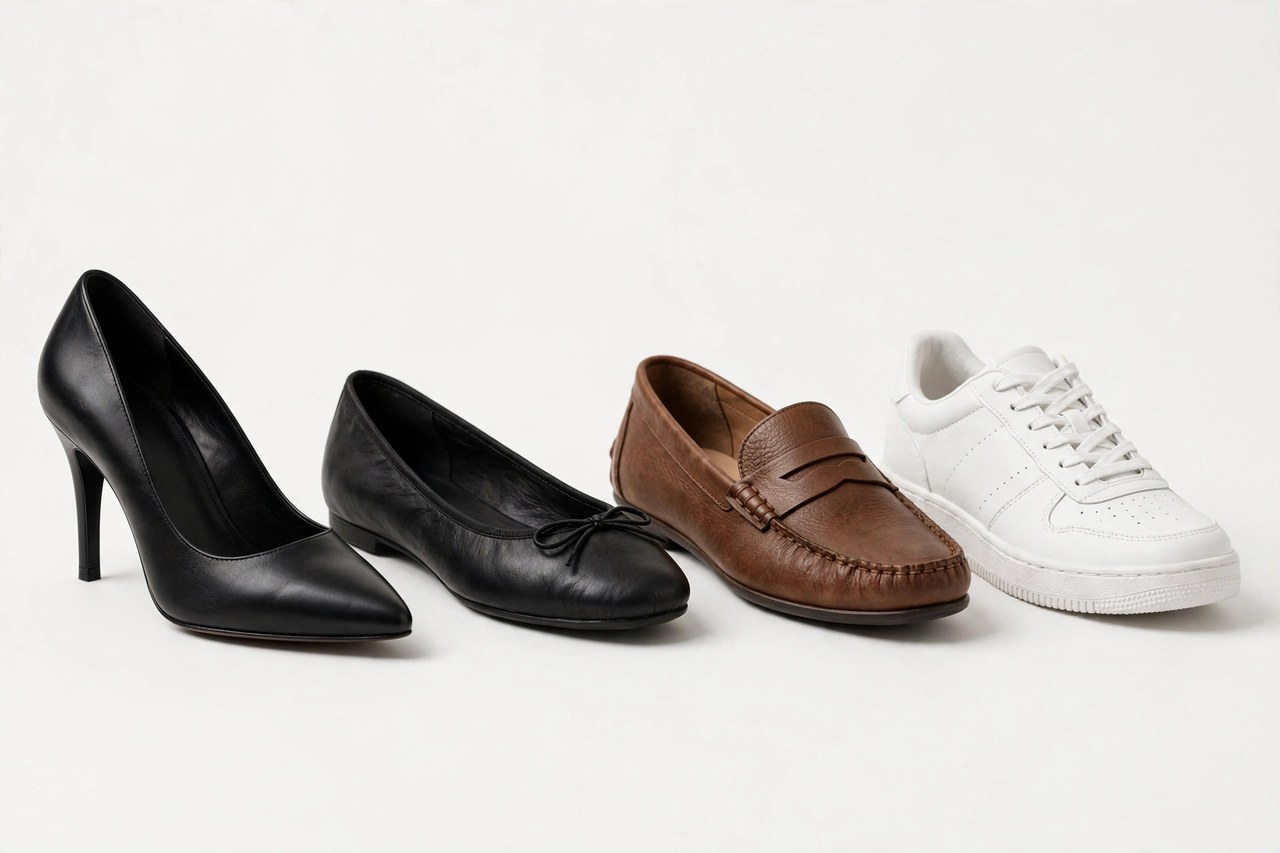
Classic shoes are the styles that were right twenty years ago, are right today, and will be right in another twenty: a short list of shapes so well resolved that fashion can decorate them but never replace them. For women, the core classics are the black pump, the ballet flat, the penny loafer, the white sneaker, and, close behind, the Chelsea boot, the simple sandal, and the court shoe in nude or navy. Their value is not nostalgia — it is arithmetic. A classic shoe matches more outfits, survives more seasons, and can be repaired rather than replaced, so its cost per wear falls below almost anything trend-led. Classics also simplify dressing: with the shoe question permanently answered, the rest of an outfit can experiment freely. This guide profiles the essential styles, explains why they endure, and shows how to buy them at the quality their long service deserves.
The Big Four: Pump, Flat, Loafer, Sneaker
The black pump is the formal classic: closed toe and heel, mid heel, no decoration, in smooth leather. It has closed business deals and attended weddings for generations because it flatters the leg and defers to the outfit. The ballet flat is its relaxed counterpart, a low-cut slipper of a shoe that pairs with everything from jeans to cocktail dresses and packs flat for travel. The penny loafer brings tailored ease: a slip-on with a saddle strap, equally at home with trousers, skirts, and dresses, in leather for polish or suede for softness. The white sneaker is the newest classic, earned rather than inherited — a minimal, low-top leather or canvas court shoe, kept clean, that now works with tailoring as readily as with denim. Together these four cover formality from black-tie-adjacent to weekend errands. Own them in good versions and most shoe decisions for the rest of your life are already made.
Buying Quality for the Long Term
Longevity changes how to shop. Since a classic will be worn for years, fit must be exact rather than hopeful, materials must be repairable, and construction must survive a cobbler. Choose full-grain leather uppers where budget allows; they polish, condition, and age attractively instead of cracking like coated materials. Look for soles that can be replaced — stitched or welted construction on loafers and boots, and on pumps and flats, at least a sole unit a cobbler can re-heel and protect with a thin rubber oversole. Replaceable heel tips are essential on pumps. Inside, leather linings outlast synthetic ones and manage moisture better. Pay attention to the last, the foot-shape the shoe is built on: a classic from a maker whose last suits your feet is worth returning to for decades.
Fit That Lasts as Long as the Style
A shoe intended for a decade must fit like it. Fit classics in the afternoon, in the socks or hosiery you will wear with them, and judge by walking, not standing. Pumps should hold the heel without biting and leave toes flat and uncramped; remember leather relaxes across the width but never gains length. Ballet flats deserve special suspicion, because their low cut hides fit sins: toes must not press the end, and the topline should not dig or gape. Loafers will ease across the instep, so a firm-but-kind fit when new is correct, while any heel slip beyond a whisper means the wrong size or last. White sneakers fit like other sneakers, with a thumb's width at the front for walking comfort. If your feet differ in width or length, fit the larger foot and use an insole in the other.
Styling Classics Without Looking Dated
The risk with classics is not the shoes but styling them on autopilot. The same classics stay current through contrast: white sneakers under a tailored suit, loafers with a fluid midi dress, a black pump sharpening wide-leg jeans and a white shirt. Let one classic anchor the outfit and give the other pieces the contemporary role — modern cuts, current denim shapes, fresh colors. Texture keeps classics alive too: a suede loafer, a patent pump, a woven leather flat each read differently while staying timeless in shape. Keep white sneakers genuinely white or deliberately worn-in, never in the grubby middle, and keep black leather polished; classics look dated fastest when they look neglected. Jewelry-tone hardware, a colored loafer for summer, or a nude pump matched closely to your skin are small updates that never compromise the principle.
Care, Repair, and the Cost-Per-Wear Payoff
Classics are maintained, not replaced, and the maintenance is simple. Rotate pairs so leather rests, use shoe trees in pumps, loafers, and boots, clean and condition smooth leather regularly, and keep suede brushed and sprayed. Re-heel pumps and loafers before the heel block itself wears, and have thin protective soles added to leather-soled pairs you wear outdoors. A cobbler can resole welted loafers and boots, replace zips, restitch saddles, and revive shape, usually for a fraction of replacement cost. Store classics clean, shaped, and away from light, and they will wait patiently through any season in which fashion tempts you elsewhere. That patience is the final payoff: trends will cycle, your weight, work, and life will change, and the black pump, ballet flat, penny loafer, and white sneaker will still be there, fitting the life you have. Few purchases in a wardrobe can honestly promise that, which is why these shoes earned the word classic in the first place.
Related Women's Guides
Photos

More to Explore on Apparel Search
Looking for Women's Clothing Stores?
This guide helps you choose women's classic shoes by style, material and fit. To browse where to buy, visit our women's clothing store directory, where you can find retailers that carry them.