Women's Cotton Running Pants Guide
Soft, breathable, and familiar — with an honest account of where cotton helps a run and where it holds you back.
Shop Women's Cotton Running Pants Now
Shop Women's Cotton Running Pants on Amazon Shop Women's Cotton Running Pants on eBayThe Amazon and eBay links on this page are affiliate links. If you make a purchase through them, Apparel Search may earn a commission.
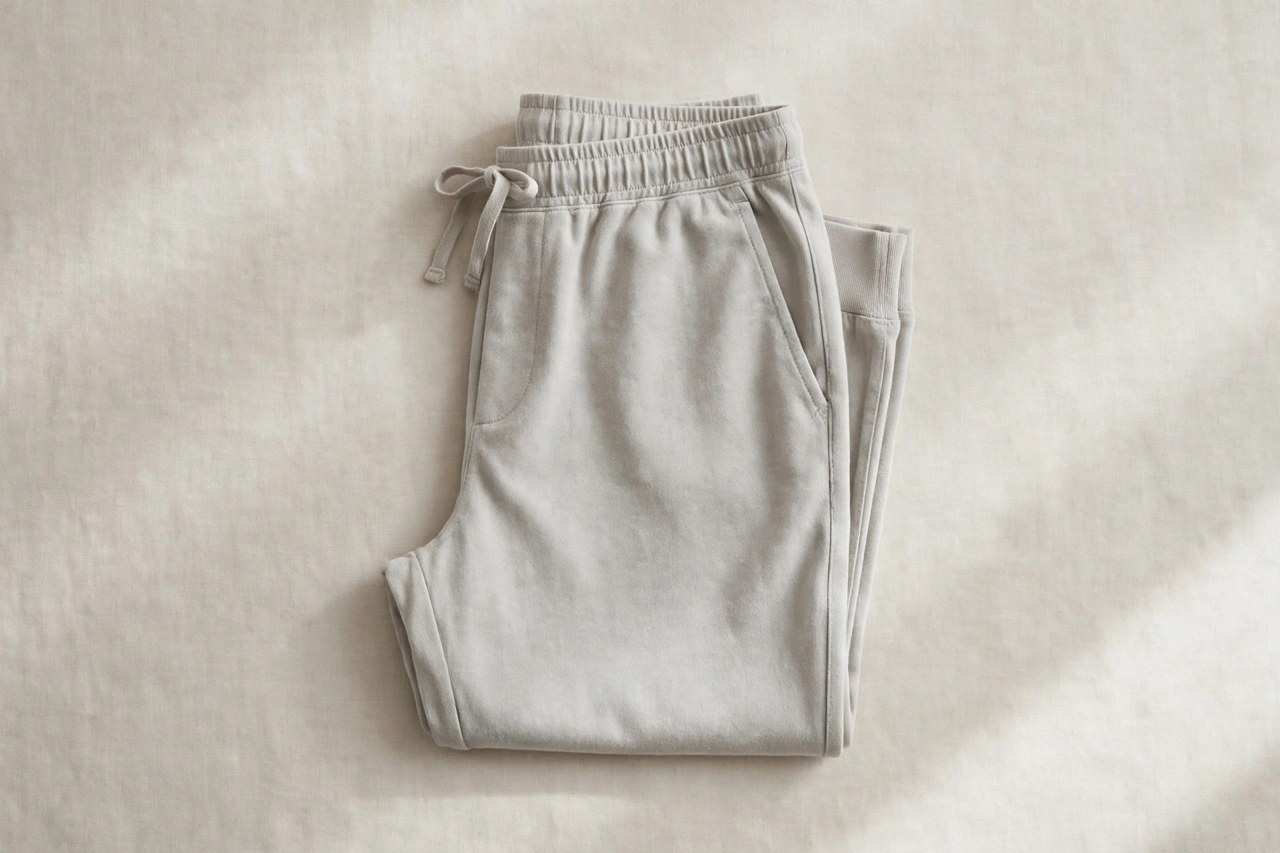
Cotton running pants exist in an awkward, honest place: almost every runner owns a pair, and almost every coach advises against racing in them. This guide will not pretend otherwise. A cotton jogger-style running pant, usually cut from cotton jersey or a cotton-rich French terry around 220 to 280 GSM, feels wonderful for the first mile on a cool morning. It is soft against skin, warm without being clammy at the start, and free of the slick synthetic feel many runners dislike. The trade-offs arrive with distance and sweat, and understanding them lets you use cotton running pants where they genuinely shine — short, easy sessions, warm-ups, cool-downs, and the run-walk routines many women actually do — rather than discovering their limits at mile eight of a long run.
What Happens When Cotton Gets Wet
Cotton fibres absorb water into the fibre itself, holding many times their weight before feeling saturated, and they release that moisture slowly. In a running pant that means three things. First, weight: a soaked cotton pant hangs noticeably heavier than a synthetic one. Second, friction: damp cotton against damp skin raises chafing risk at the inner thigh, waistband, and behind the knee, especially in a loose cut that moves with every stride. Third, temperature: in cold wind, wet cotton loses its insulating value and chills you, while in summer heat the slow evaporation can feel pleasantly cool on short outings. None of this makes cotton dangerous for a gentle three-mile jog in mild weather. It does mean that marathon training, hot humid races, and winter long runs belong in technical fabrics, and an honest guide should say so plainly rather than dress cotton up as performance wear.
Cuts: Joggers, Tapers, and Open Legs
Most cotton running pants are joggers: a tapered leg ending in a ribbed ankle cuff that stays clear of your shoes and will not flap or catch. The cuff is genuinely useful for running form drills, cycling cross-training, and warming up on a track. Straighter, open-leg styles in heavier jersey feel more like track pants; they layer well over shorts before a race but can catch a heel if the inseam runs long. Look for a drawcord in addition to elastic at the waist — cotton jersey stretches and creeps downward once damp, and a tied cord keeps the pant seated at your natural waist. Flatlock or covered seams reduce friction, gusseted crotches prevent the inseam from sawing, and side pockets should zip or sit deep, because a phone bouncing in a loose cotton pocket changes your stride more than you would expect.
Blends That Fix Some of the Problem
Pure cotton is the softest option and the slowest to dry. A small amount of elastane, typically 2 to 5 percent, improves recovery so knees and seat do not bag out after a few wears, and it helps the cuff hold the ankle. Cotton-polyester blends, often near 60/40, dry measurably faster and resist shrinkage, trading a little of cotton's natural hand-feel for practicality on back-to-back training days. Organic and ringspun cotton versions feel softer still but behave the same when wet. Whichever blend you choose, check the inside face: loopback French terry breathes better and adds less bulk than brushed fleece for running, while fleece-lined cotton pants are really warm-up and winter-lounge garments. If a listing calls a pant moisture-wicking and it is 100 percent cotton, treat the claim with scepticism — cotton manages moisture by absorbing it, which is a different thing entirely.
When Cotton Running Pants Make Sense
Cotton earns its place in specific, common situations. Easy runs under about forty minutes in dry, mild weather are comfortable for most runners, particularly those who dislike synthetic fabrics against sensitive skin. Run-walk programmes, couch-to-5K plans, and treadmill sessions in a cool gym all stay well inside cotton's comfort zone. Cotton pants are also the classic warm-up layer: worn over shorts to the start line, tied around the waist or checked in a bag, then pulled back on for the cool-down when muscles chill quickly. Yoga-adjacent mobility work, strides on grass, and walking the dog on the way home from a run all suit them too. The sensible wardrobe holds both: a cotton pair you love for daily easy movement, and a synthetic pair for long, hot, or wet days when the run itself matters more than the fabric feel.
Sizing, Care, and Shrinkage
Cotton jersey and terry can shrink 3 to 5 percent in length on the first hot wash, so buy running pants with a little inseam to spare and wash them before a first important session rather than after. Cold washing and air drying keep shrinkage near the bottom of that range and preserve elastane. Turn pants inside out to protect the outer face from treadmill-belt and gym-bench abrasion, and wash after every run — cotton holds odour in its fibres more stubbornly than synthetics, and a sour pair will announce itself. Fit should be close through the hip and thigh without binding: fabric that slaps loosely will chafe sooner once damp. If you are between sizes, the smaller size usually runs better, because cotton relaxes with wear and warmth. Replace a pair when the waistband elastic dies or the inner thighs pill thin; both are honest end-of-life signs for a hard-working cotton garment.
Looking for Women's Clothing Stores?
This guide helps you choose women's cotton running pants by cut and blend. To browse where to buy, visit our women's clothing store directory, where you can find retailers that carry them.