Women's Insulated Boots Guide
Warm boots are engineered, not just thick: the insulation families, what the Thinsulate gram numbers actually mean, and how to fit a winter boot that stays warm at the bus stop and on the trail.
Shop Women's Insulated Boots Now
Shop Women's Insulated Boots on Amazon Shop Women's Insulated Boots on eBayThe Amazon and eBay links on this page are affiliate links. If you make a purchase through them, Apparel Search may earn a commission.
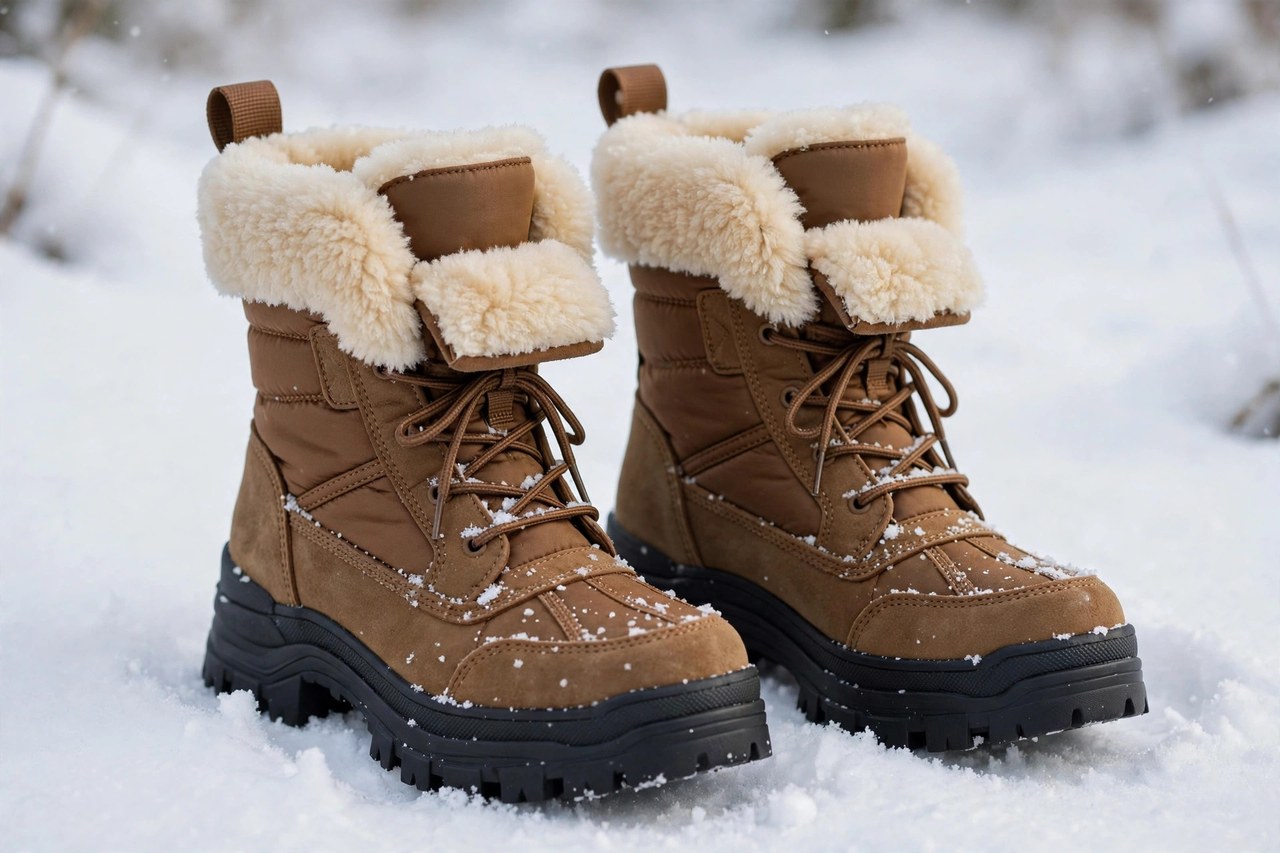
An insulated boot is a boot with material interposed to prevent the loss of heat — our original guide's definition, and still the clearest one. Everything else in the category is a variation on that material: which insulation, how much of it, and what it is wrapped in. Working your way through troublesome winter weather does not have to be difficult, but it does require selecting the proper boots for the weather, which is what this guide is for.
The brands our original guide listed for the category — Sorel, Merrell, Kamik, Cabela's and Bearpaw among them — all build around a small set of insulation technologies, and the differences between those technologies are where warmth is actually decided.
The Insulation Line-Up
Thinsulate (3M) is the category's reference insulation: thin, lightweight synthetic microfibres that trap air — and therefore warmth — without bulk. PrimaLoft is the other big synthetic name, developed for military use and prized for keeping much of its warmth when damp. The remaining names on our original list are brands' own systems: Heatseeker, developed by The North Face; Omni-Heat, Columbia's reflective-dot lining that bounces body heat back; Zylex, Kamik's removable liner system; and M Select Warm, developed by Merrell.
Around the synthetics sit the traditional materials: shearling and wool felt liners, which insulate naturally, manage moisture well and appear in heritage winter boots, and simple foam-backed linings at the budget end, which warm adequately but compress and lose loft with age. The insulation is only half the system — the shell, the sole's thickness and the fit decide how much of its warmth you ever feel.
Thinsulate and the Gram Scale
The insulation value of a boot containing Thinsulate is measured by the weight of the insulation, in grams per square metre. Boots range from about 100 grams to 1000 grams of insulation; the higher the number, the more insulation is in the boot and, in theory, the warmer the boot. Our original guide set out the options exactly that way, and the scale remains the quickest warmth comparison in winter footwear.
Translated into use: 100-200g suits active wear in mild cold — hiking, working, moving; 400g is the all-round winter choice for mixed standing and walking in real cold; 600g and above is for standing still in deep cold — spectating, ice fishing, waiting for rural buses. Take makers' temperature ratings as rough comparisons rather than promises: they assume activity levels and sock choices that vary, and a boot that is too tight will freeze its owner at any gram weight, because warmth needs circulation.
Fitting and Choosing Winter Boots
Fit insulated boots in the socks you will actually wear, late in the day, and allow a thumb's width of air in front of the toes — trapped air is insulation, and wiggle room keeps blood moving. The heel should not pump, and the boot should flex at the ball of the foot, not mid-arch. Decide on waterproofing honestly: a waterproof membrane matters for slush, wet snow and thaw puddles; in dry, deep cold, a water-resistant leather or nylon shell with good insulation is often warmer and breathes better.
Then the sole: winter traction comes from soft rubber compounds and deep, open lugs that bite snow and shed it, rather than the hard, flat soles of fashion boots. Height is the last choice — mid-calf for shovelling and snow play, ankle height for commuting — and pac boots with removable liners earn their keep anywhere the boots will be worn daily, because the liner can be pulled out to dry overnight.
Care for Insulated Boots
Insulation warms best dry, and boots worn daily never fully dry on their own. Remove insoles and open liners out after wear, dry at room temperature away from radiators and fires (direct heat cracks leather and melts synthetic linings), and use newspaper or a low-heat boot dryer in wet weeks. Clean salt lines off leather promptly, re-proof shells as water stops beading, and store summer boots loosely stuffed so the insulation keeps its loft for next winter.
Related Women's Guides
Photos From Our Original Guide


More to Explore on Apparel Search
References & Further Reading
Looking for Women's Clothing Stores?
This guide helps you choose women's insulated boots. To browse where to buy, visit our women's clothing store directory, where you can find retailers that carry them.