Women's Wool Fashion Guide
Women's wool fashion is wool clothing viewed through style: the season's silhouettes, colours and textures in wool — oversized knits, checked coats, tailored suiting, pleated skirts — and how designers use the fibre's natural character in current fashion.
Shop Women's Wool Fashion Now
Shop Women's Wool Fashion on Amazon Shop Women's Wool Fashion on eBayThe Amazon and eBay links on this page are affiliate links. If you make a purchase through them, Apparel Search may earn a commission.
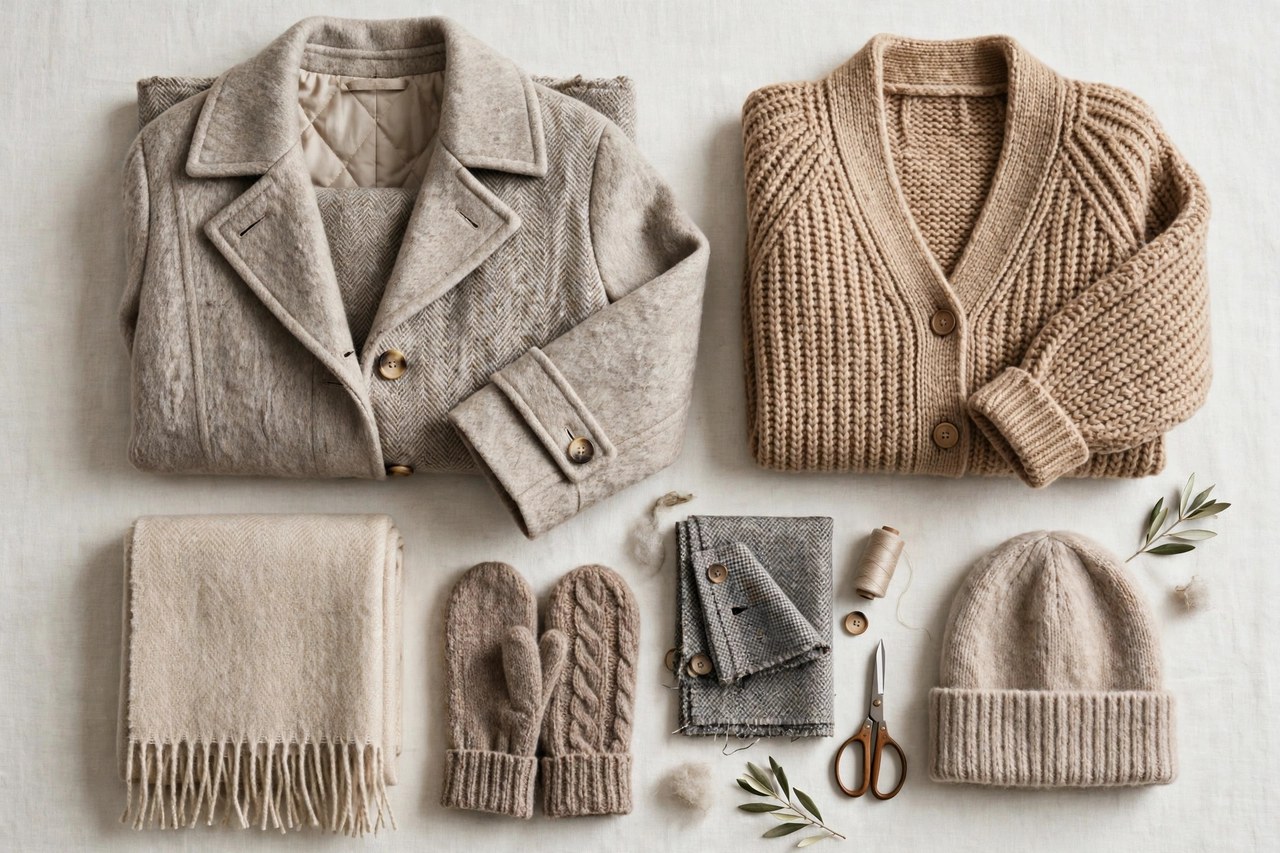
Women's wool fashion is wool clothing viewed through style: the season's silhouettes, colours and textures in wool — oversized knits, checked coats, tailored suiting, pleated skirts — and how designers use the fibre's natural character in current fashion. Where the companion wool apparel guide covers the category and its fibre grades, this guide covers wool as fashion: the recurring style cycles (heritage tweeds, minimal tailoring, chunky knits), styling wool pieces together without heaviness, and buying fashion wool that outlasts its trend.
This guide covers wool fashion in the order a careful buyer needs it: what the product is made from, how it is constructed, how it should fit, how to choose it for real use, and how to care for it so it lasts. Apparel Search has published guides to women's clothing for decades, and this rebuilt page keeps the subject focused — measurable details, named materials and checks you can perform in a shop or on a parcel's arrival, rather than general fashion language.
Wool's Fashion Materials
Fashion uses wool for its surfaces: tweeds with slubbed, multicolour yarns; herringbone and check weaves; flannel's brushed softness; bouclé's loops; fine crepe's grain; and knits from cobweb merino to exaggerated chunky textures. Each surface photographs, drapes and dates differently, which is why wool can headline a collection in any decade.
Fashion construction stretches the fibre both ways — deconstructed tailoring that lets wool drape like cloth was never meant to, and sculptural knits that exploit its spring. Wool takes fashion's texture stories better than any other fibre because its surface is naturally matte and varied — tweeds, bouclé, flannel and rib knits give a designer texture without print or embellishment. The wearable end of wool fashion keeps classic construction and takes its novelty in colour, proportion and texture; the unwearable end is a photograph, not a garment.
Proportion and Silhouette
Wool fashion fit is about proportion management: volume in the knit balanced by a clean line below, an oversized coat over narrow layers, texture against smoothness. Wool's body — even fine wool has presence — means a silhouette that works in silk can overwhelm in tweed, and the fitting room test is movement and a seated check.
Buy fashion wool in your true size unless the design is deliberately oversized, in which case the shoulder or waist anchor point still fits as designed. Wool that is merely the wrong size reads as a mistake; wool cut oversized on purpose reads as a decision — the difference is in the designed anchor points.
Buying Fashion Without the Regret
Choose wool fashion in a fixed order: the classic or fashion balance of the piece (and honesty about which you are buying), fibre quality appropriate to its intended lifespan, fit at the anchor points, and only then the trend detail. In practice, rank these checks in the order your own use demands — frequency of wear first, then weather, washing facilities and budget — because that order differs by wardrobe, and it is the real reason two careful buyers can correctly choose differently from the same rail.
Judge price by where a piece sits on that balance: heirloom money belongs on classic cuts in top fibre, trend money should be spent knowingly and lower, in blends and simpler construction. Confusing the two budgets is the classic wool-fashion error, in both directions.
Keeping Fashion Wool Presentable
Fashion pieces carry the embellishments and textures that complicate care: follow the specific label, steam rather than press textured surfaces, and keep bouclé and loosely woven fashion wool away from jewellery and bag hardware that snag loops.
Store fashion wool as carefully as classic wool — clean, rested, moth-protected — because the point of a fashion piece that survives is that it returns: wool's cycles are long, and a stored check coat or statement knit comes back into fashion on schedule.
Common Questions
How do I wear wool head-to-toe without looking heavy?
Vary the textures and weights: a fine knit under a flannel coat, smooth worsted trousers with a textured sweater. Head-to-toe in one finish is what reads heavy. Keep one piece fluid or fine so the outfit has movement, and let colour stay tonal rather than identical.
Which wool fashion pieces date least?
A classic checked or plain tailored coat, a plain crew or V-neck sweater in a good fibre, and a well-cut wool trouser outlast every trend cycle. The fast-dating pieces are extreme silhouettes and novelty knits — buy those in blends and at lower prices, and spend on the classics in pure, quality wool.
Why do designers keep returning to heritage wools?
Tweeds, herringbones and checks carry visible craft and regional identity that plain cloth cannot, and they photograph and wear with character. Heritage cloth also suits fashion's sustainability story: it is durable, repairable and made to be kept — values the industry currently wants to claim.
Related Women's Guides
More to Explore on Apparel Search
Women’s Clothes Guide by Letter: Women's Clothes Directory T · Women's Fashion Directory U · Women's Clothes Directory V · Women's Clothing Directory X · Women's Clothes Directory Y · Women's Clothes Directory Z
Looking for Women's Clothing Stores?
This guide helps you choose women's wool fashion. To browse where to buy, visit our women's clothing store directory, where you can find retailers that carry them.