Performance Fabrics Guide
Compression Fabrics
Graduated pressure, millimeters of mercury, and the honest difference between training wear and recovery wear.
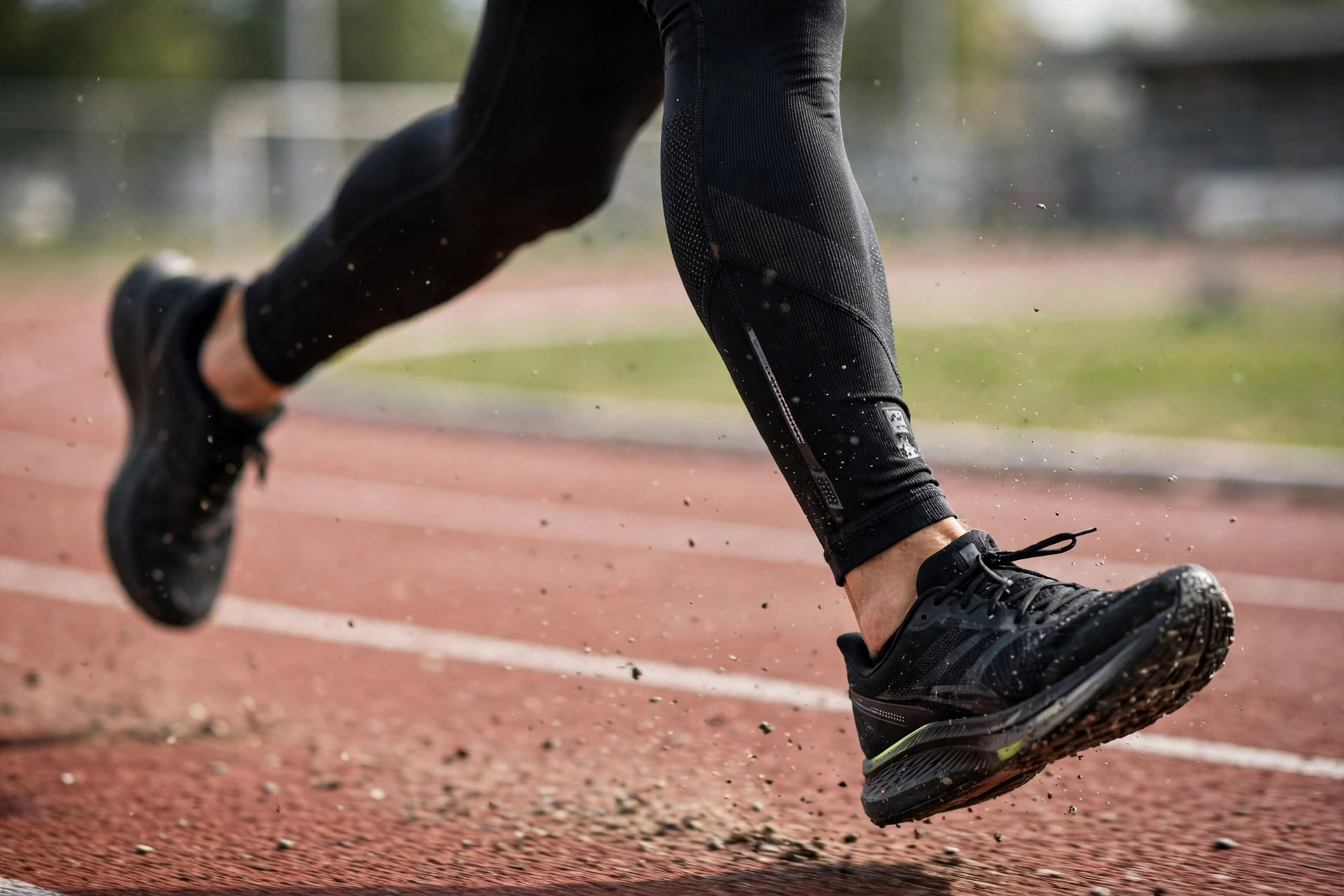
Compression clothing is performance fabric with a number attached. Where an ordinary tight garment simply fits snugly, a true compression garment is engineered to apply a known pressure to the limb, measured in millimeters of mercury (mmHg) — the same unit used for blood pressure. This page of the Performance Fabrics Guide explains how that pressure is produced, how the sizing numbers should be read, and what the technology can and cannot honestly claim.
Graduated Compression: Pressure With a Direction
Medical compression, where the technology began, is graduated: pressure is highest at the ankle and decreases steadily toward the knee and thigh. The gradient helps push venous blood and fluid back toward the heart instead of letting it pool in the lower leg. Sport garments borrow the same pattern for calf sleeves, socks and full tights. A uniformly tight garment is not the same thing — even pressure can actually impede return flow where it squeezes hardest, which is why real compression products are knitted to a pressure profile and tested on a leg form, not just sewn from stretchy fabric.
The unit used to state compression pressure. Sport garments are commonly sold at 15–25 mmHg; medical hosiery classes begin around 20 mmHg and rise to 40 mmHg and beyond for clinical use.
| Pressure range | Typical use |
|---|---|
| 10–15 mmHg | Light support: everyday socks, mild travel wear, gentle recovery. |
| 15–20 mmHg | Training wear, long flights and workdays on your feet, general recovery. |
| 20–30 mmHg | Firm sport compression and the first medical class: long events, serious recovery, medically advised support. |
| 30–40 mmHg | Medical compression, normally chosen with professional guidance. |
How the Fabric Makes Pressure
Pressure comes from elastane under tension. Compression knits carry far more of it than ordinary stretch garments — commonly 15 to 30 percent elastane by weight, in high-denier yarns knitted tightly so the fabric pushes back hard when stretched. Circular knitting machines vary the tension and stitch course by course, which is how one seamless tube of fabric can squeeze the ankle firmly and the calf less: the gradient is knitted in, not sewn in. Because pressure depends on the match between garment circumference and leg circumference, sizing by measurement is not marketing fussiness; a size too large delivers a fraction of the labeled mmHg, and a size too small can exceed it uncomfortably. The stretch and recovery mechanics underneath are covered in stretch fabrics and recovery.
Training Versus Recovery
The same garment is sold for two different jobs, and the evidence differs by job. During exercise, compression reduces muscle oscillation — the vibration of soft tissue at each footstrike — and gives the wearer a heightened sense of limb position, which many athletes find stabilizing. Measured gains in race performance, however, are small and inconsistent across studies. After exercise, the case is stronger: wearing compression for some hours post-workout is associated with reduced delayed-onset muscle soreness and slightly faster recovery of strength and jump performance. Compression also earns its keep outside sport entirely — long-haul travel, standing jobs and recovery from injury are where graduated pressure has its longest track record.
Zoned Compression and Garment Types
Not every garment squeezes everywhere. Zoned compression varies the pressure across a single garment: firm panels over the calf or quadriceps where support is wanted, lighter and more breathable knits over joints and the torso where movement matters. Calf sleeves isolate the lower-leg gradient for runners who prefer their own socks and shoes; full tights extend support through the thigh and gluteals; compression tops apply gentler pressure aimed more at posture feedback and muscle stabilization than at circulation. The mmHg figure on the label refers to the garment's firmest measured zone — usually the ankle in socks and tights — so two garments with the same headline number can feel quite different in wear.
Buying and Wearing Compression Well
Buy by measurement, expect a firm struggle getting socks and tights on (that effort is the pressure working), and put them on before activity or as soon after it as practical for recovery use. Wash cool and skip the tumble dryer: heat is elastane's enemy, and a compression garment that has lost its snap has quietly lost its mmHg rating too. Most compression fabrics are also moisture-wicking knits, because a pressure garment worn against sweating skin for hours has to manage moisture as well as squeeze. Finished garments for men and women are surveyed in the Men's Performance Apparel Guide and Women's Performance Apparel Guide.
Performance Fabric Topics
References & Further Reading
This page is one part of the Apparel Search Performance Fabrics Guide — return to the hub for the full map of moisture management, weather protection, stretch, warmth and fabric finishes.
Common Questions
What mmHg should I choose for sport compression?
Most sport and recovery garments fall between 15 and 25 mmHg. Around 15 to 20 mmHg suits training wear, travel and everyday recovery; 20 to 25 mmHg gives a firmer, more medical-style squeeze used for long events and serious recovery. Ratings of 30 mmHg and above are medical territory and should be chosen with a clinician's advice, especially if you have circulation problems.
Does compression clothing actually improve performance?
The evidence is modest and specific. Studies find small benefits for recovery — less perceived soreness and slightly faster restoration of strength after hard exercise — and many athletes value the reduced muscle vibration and proprioceptive feedback during activity. Large direct gains in speed or power during exercise have not held up consistently, so buy compression for recovery, comfort and support rather than promised performance jumps.
How should compression garments fit?
Firmly and evenly, without folds, bunching or numbness. Compression is sized by body measurement — ankle and calf circumference for socks, waist and thigh for tights — not by clothing size alone. A garment that is easy to pull on is probably delivering very little pressure; one that leaves deep marks, tingling or cold feet is too tight or the wrong shape.