Pakistan Clothing Customs
Importing apparel and textiles into Pakistan - the authority, the process and the preparation
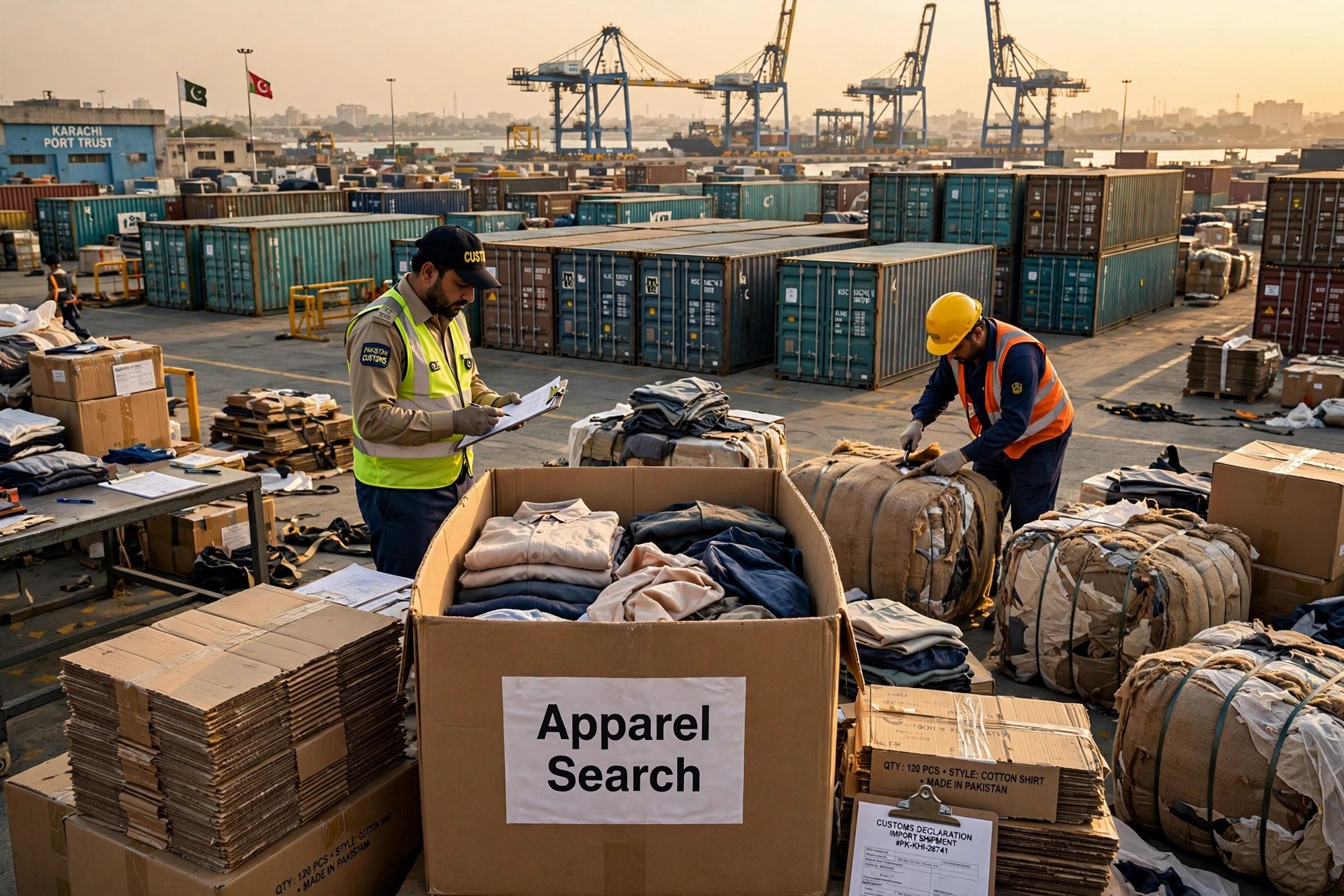
Clothing shipped into Pakistan is cleared by Pakistan Customs, under the Central Board of Revenue. For an apparel brand, importer or retailer, that authority sets the requirements the goods must meet, assesses the duties and taxes on them, and decides which consignments to examine before release. This guide explains who the authority is, what its record shows about how it works, and how a clothing shipment moves through its system.
The sensible first step is the one Pakistan's own customs resources recommend: contact the customs office and learn the country's current requirements for your specific goods before you ship. Duty rates and entry rules change over time; what follows describes the authority, its history and the clearance process in the terms that matter to the clothing trade.
Start Here
The Customs Authority for Pakistan
Pakistan Customs is the guardian of Pakistan's borders against movement of contraband goods and a facilitator of bona fide trade. It provides a major source of revenue to the Government of Pakistan in the form of taxes levied on goods traded across the borders, and it also helps protect domestic industry, discourage consumption of luxury goods and stimulate development in under-developed areas. The import process turns on two main documents: the Import General Manifest (IGM), generated by the carrier (or his agent) bringing the imported goods into the country, and the Bill of Entry (BOE), prepared by the importer or his agent.
What the Record Shows
Pakistan is one of the world's great textile nations - cotton, spinning, weaving and garment-making at national scale - so its customs service handles enormous apparel export flows alongside imports of machinery, dyes, trims and finished clothing. The Quota Supervisory Council link carried with these resources is a reminder of the era when Pakistan's garment exports moved under international quota systems administered through that council.
How a Clothing Shipment Is Cleared in Pakistan
Classification decides the duty treatment a garment receives, so it is settled first: the fibre content, construction and intended use of each line place it in the tariff, and the declared value on that classification is what duty and taxes are assessed against. Traders who classify and value carefully before the goods move rarely meet surprises at the border; traders who leave it to the entry itself often do.
Duties and taxes on clothing are assessed on the entry as filed: the classification of each garment line, the value declared for it, and its origin where a trade arrangement is claimed. Traders sometimes treat the entry as a formality to be completed by others; experienced importers treat it as the transaction itself, because every later question customs asks is answered from it.
Preparing a Clothing Shipment
The cheapest customs work is done at origin: samples checked against the specification, labels verified against the market's rules, quantities counted twice. Arrive in Pakistan with a file that answers questions before they are asked, and confirm the current requirements for your specific goods with the customs authority or an experienced local agent, since rates and entry rules change over time.
More Customs Guides
Common Questions
What are the two main documents of Pakistan's import process?
The Import General Manifest (IGM), generated by the carrier or his agent bringing the goods in, and the Bill of Entry (BOE), prepared by the importer or his agent. Pakistan Customs administers both under the Central Board of Revenue.
What does Pakistan Customs see as its role?
Guardian of the borders against contraband and facilitator of bona fide trade: it raises a major source of government revenue from border taxes, protects domestic industry and helps stimulate development in under-developed areas.
What should a clothing importer prepare before shipping to Pakistan?
Documents that agree with each other: a precise commercial invoice, a packing list matching the cartons, and fibre content, quantities and values stated the same way on every document and label. Confirm the current requirements for your specific goods with Pakistan Customs, under the Central Board of Revenue or a licensed broker before the goods leave.
References & Further Reading
More to Explore
Return to the Customs & Import Guide main page for customs information on other countries and the full import guide:
Customs & Import Guide