Thailand Clothing Customs
Importing apparel and textiles into Thailand - the authority, the process and the preparation
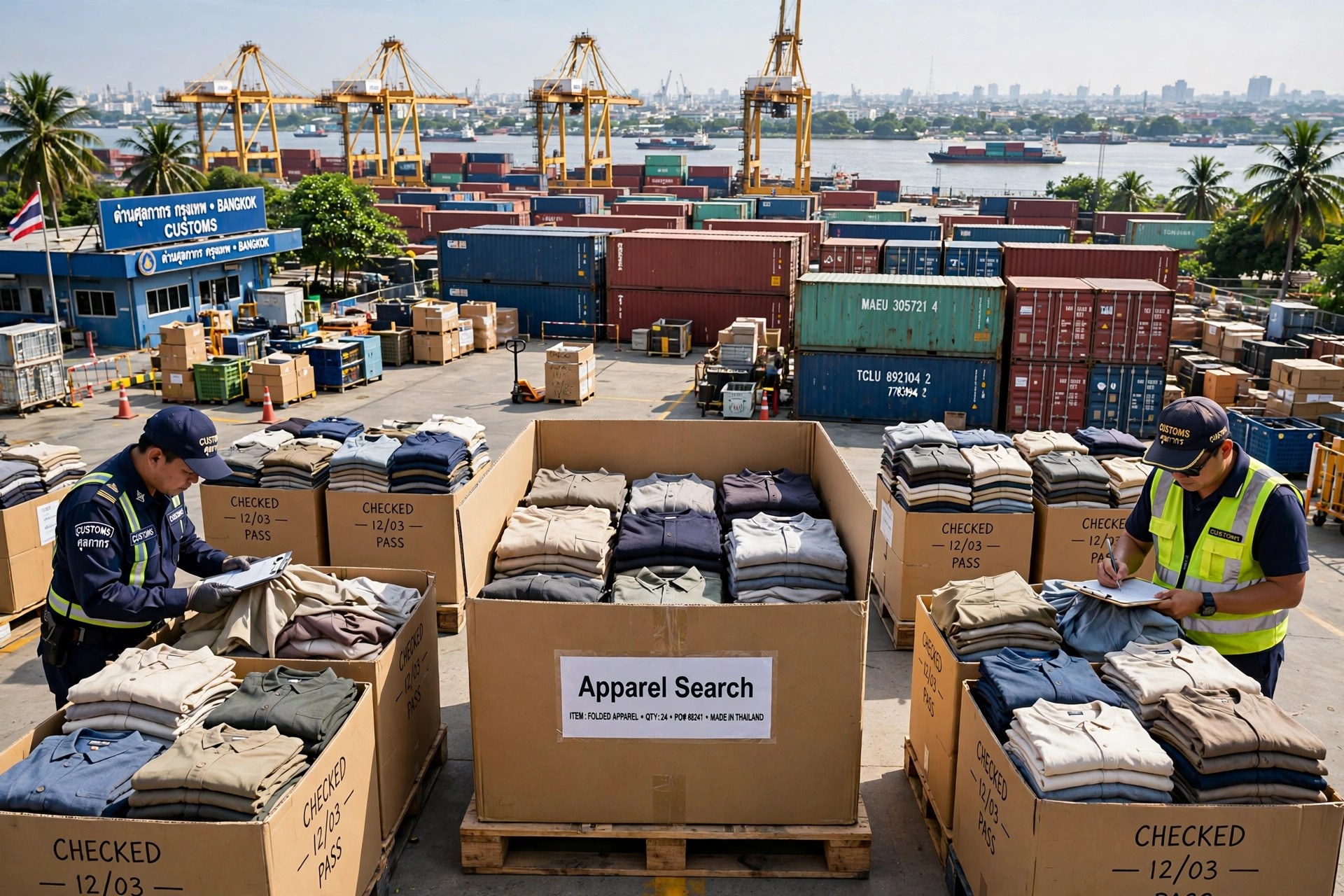
Clothing shipped into Thailand is cleared by the Thai Customs Department. For an apparel brand, importer or retailer, that authority sets the requirements the goods must meet, assesses the duties and taxes on them, and decides which consignments to examine before release. This guide explains who the authority is, what its record shows about how it works, and how a clothing shipment moves through its system.
The sensible first step is the one Thailand's own customs resources recommend: contact the customs office and learn the country's current requirements for your specific goods before you ship. Duty rates and entry rules change over time; what follows describes the authority, its history and the clearance process in the terms that matter to the clothing trade.
Start Here
The Customs Authority for Thailand
Thailand's customs history reaches back to the reign of King Rama IV, when a Tax House was established to collect customs duties and taxes on imported goods. In the reign of King Rama V the Government recommended a tax collection system first governed by the public sector; the Customs House was later founded and made accountable for the collection of all kinds of duties and taxes - and that house is presently known as the Customs Department. Since its founding, the Department's key role has been the collection of duties and taxes used as national income, with new roles and functions emerging in the modern era.
What the Record Shows
Thailand is one of Asia's established garment-exporting nations, so the Customs Department serves a heavy two-way apparel trade: Thai garments leaving for the world, and fabrics, trims and finished clothing entering for Thai factories and shops. A department whose historic core is revenue collection, now adding modern trade functions, is the authority both flows answer to.
How a Clothing Shipment Is Cleared in Thailand
Classification decides the duty treatment a garment receives, so it is settled first: the fibre content, construction and intended use of each line place it in the tariff, and the declared value on that classification is what duty and taxes are assessed against. Traders who classify and value carefully before the goods move rarely meet surprises at the border; traders who leave it to the entry itself often do.
Duties and taxes on clothing are assessed on the entry as filed: the classification of each garment line, the value declared for it, and its origin where a trade arrangement is claimed. Traders sometimes treat the entry as a formality to be completed by others; experienced importers treat it as the transaction itself, because every later question customs asks is answered from it.
Preparing a Clothing Shipment
Build the file before the freight: a precise commercial invoice, a packing list that matches the cartons one for one, and any certificates or licences the goods require, gathered while the supplier can still correct them. Then confirm the current treatment of your specific clothing lines with the customs authority or an experienced local agent - this guide covers the authority and its process, and rates and rules change over time.
More Customs Guides
Common Questions
How did the Thai Customs Department begin?
As a Tax House in the reign of King Rama IV, collecting duties and taxes on imported goods; under King Rama V the system was reorganised, the Customs House was founded, and it is presently known as the Customs Department.
What is the Thai Customs Department's core role?
Historically and still centrally, the collection of duties and taxes used as national income - now with new roles and functions emerging as Thailand's heavy two-way garment trade modernises.
What should a clothing importer prepare before shipping to Thailand?
Documents that agree with each other: a precise commercial invoice, a packing list matching the cartons, and fibre content, quantities and values stated the same way on every document and label. Confirm the current requirements for your specific goods with the Thai Customs Department or a licensed broker before the goods leave.
References & Further Reading
More to Explore
Return to the Customs & Import Guide main page for customs information on other countries and the full import guide:
Customs & Import Guide