United States Clothing Customs
Importing apparel and textiles into United States - the authority, the process and the preparation
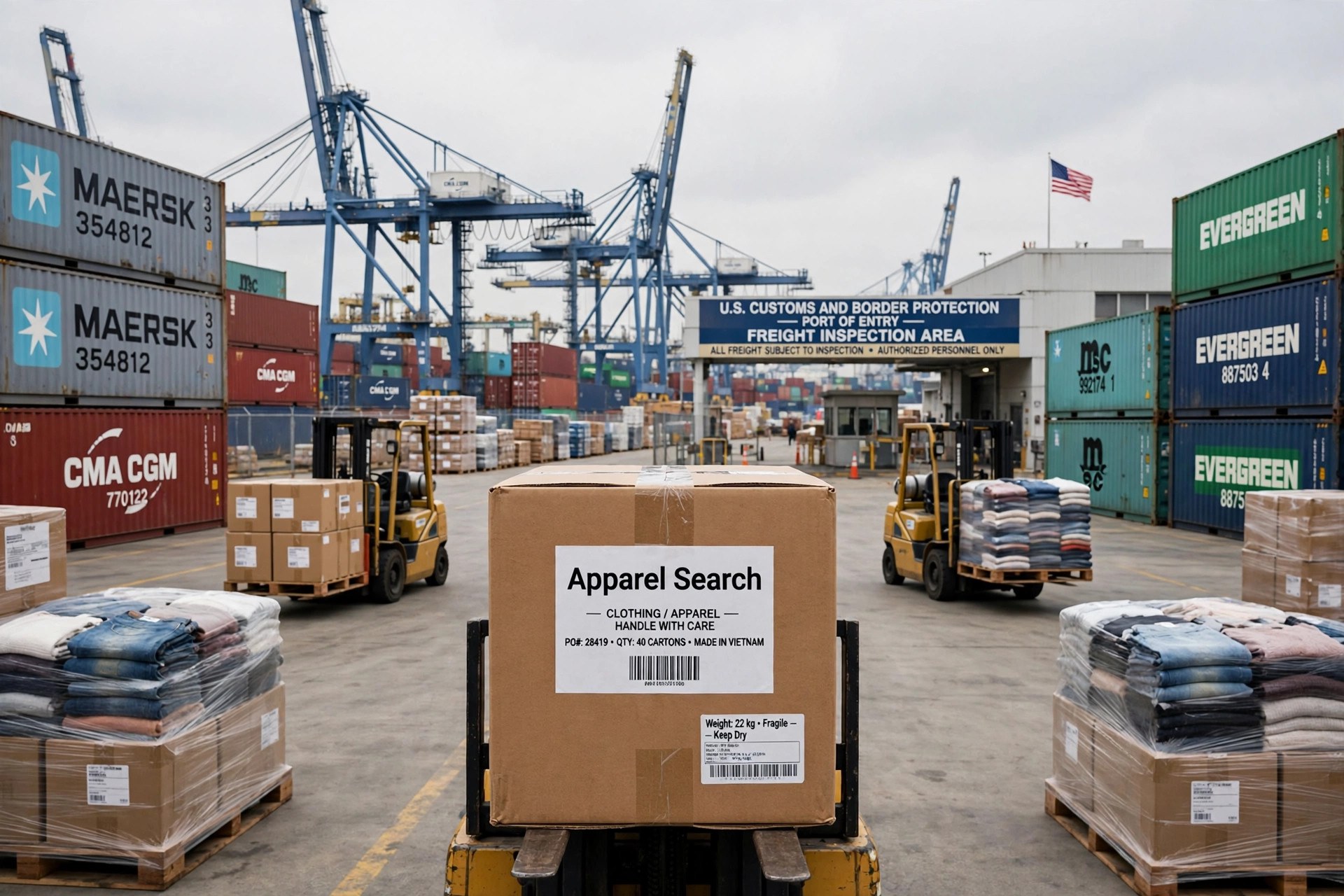
Clothing shipped into United States is cleared by U.S. Customs and Border Protection (CBP), Department of Homeland Security. For an apparel brand, importer or retailer, that authority sets the requirements the goods must meet, assesses the duties and taxes on them, and decides which consignments to examine before release. This guide explains who the authority is, what its record shows about how it works, and how a clothing shipment moves through its system.
The sensible first step is the one United States's own customs resources recommend: contact the customs office and learn the country's current requirements for your specific goods before you ship. Duty rates and entry rules change over time; what follows describes the authority, its history and the clearance process in the terms that matter to the clothing trade.
Start Here
The Customs Authority for United States
U.S. Customs and Border Protection, in the Department of Homeland Security, established the CBP officer and Agriculture Specialist positions to serve at the Nation's ports of entry and provide the American public, travelers and the international trade community with 'one face at the border.' For a clothing importer, that means one agency's officers handle the entry at the port - supported by the Agriculture Specialists whose inspections can touch plant- and animal-based materials in a consignment.
What the Record Shows
The United States apparel entry system runs on published tools, and the set assembled for clothing traders covers the whole entry: the Office of Textiles and Apparel (OTEXA) guidance on importing clothing and textiles into the USA, the US Category System that groups textile and apparel goods, the Harmonized Tariff Schedule for US tariff rates, the rules on US embargoes (export regulations restrict imports and exports to certain destinations without a U.S. Government authorization), import quotas - a limit on the amount of imports that can be brought into a particular country - plus CBP's customs rulings library and the duty drawback programme, which can return duties on imported materials that are later exported.
How a Clothing Shipment Is Cleared in United States
Classification decides the duty treatment a garment receives, so it is settled first: the fibre content, construction and intended use of each line place it in the tariff, and the declared value on that classification is what duty and taxes are assessed against. Traders who classify and value carefully before the goods move rarely meet surprises at the border; traders who leave it to the entry itself often do.
Duties and taxes on clothing are assessed on the entry as filed: the classification of each garment line, the value declared for it, and its origin where a trade arrangement is claimed. Traders sometimes treat the entry as a formality to be completed by others; experienced importers treat it as the transaction itself, because every later question customs asks is answered from it.
Preparing a Clothing Shipment
Build the file before the freight: a precise commercial invoice, a packing list that matches the cartons one for one, and any certificates or licences the goods require, gathered while the supplier can still correct them. Then confirm the current treatment of your specific clothing lines with the customs authority or an experienced local agent - this guide covers the authority and its process, and rates and rules change over time.
More Customs Guides
Common Questions
Which agency clears clothing into the United States?
U.S. Customs and Border Protection (CBP), Department of Homeland Security. Its CBP officers and Agriculture Specialists serve at the Nation's ports of entry as 'one face at the border' for travelers and the international trade community.
Where does a trader find US tariff rates and textile categories for apparel?
US tariff rates sit in the Harmonized Tariff Schedule published by the U.S. International Trade Commission (hts.usitc.gov), and the US Category System groups textile and apparel goods for quota and reporting purposes; OTEXA publishes the importing guidance for clothing and textiles.
What should a clothing importer prepare before shipping to United States?
Documents that agree with each other: a precise commercial invoice, a packing list matching the cartons, and fibre content, quantities and values stated the same way on every document and label. Confirm the current requirements for your specific goods with U.S. Customs and Border Protection (CBP), Department of Homeland Security or a licensed broker before the goods leave.
References & Further Reading
More to Explore
Return to the Customs & Import Guide main page for customs information on other countries and the full import guide:
Customs & Import Guide