Why Study Fashion in Seoul, South Korea?
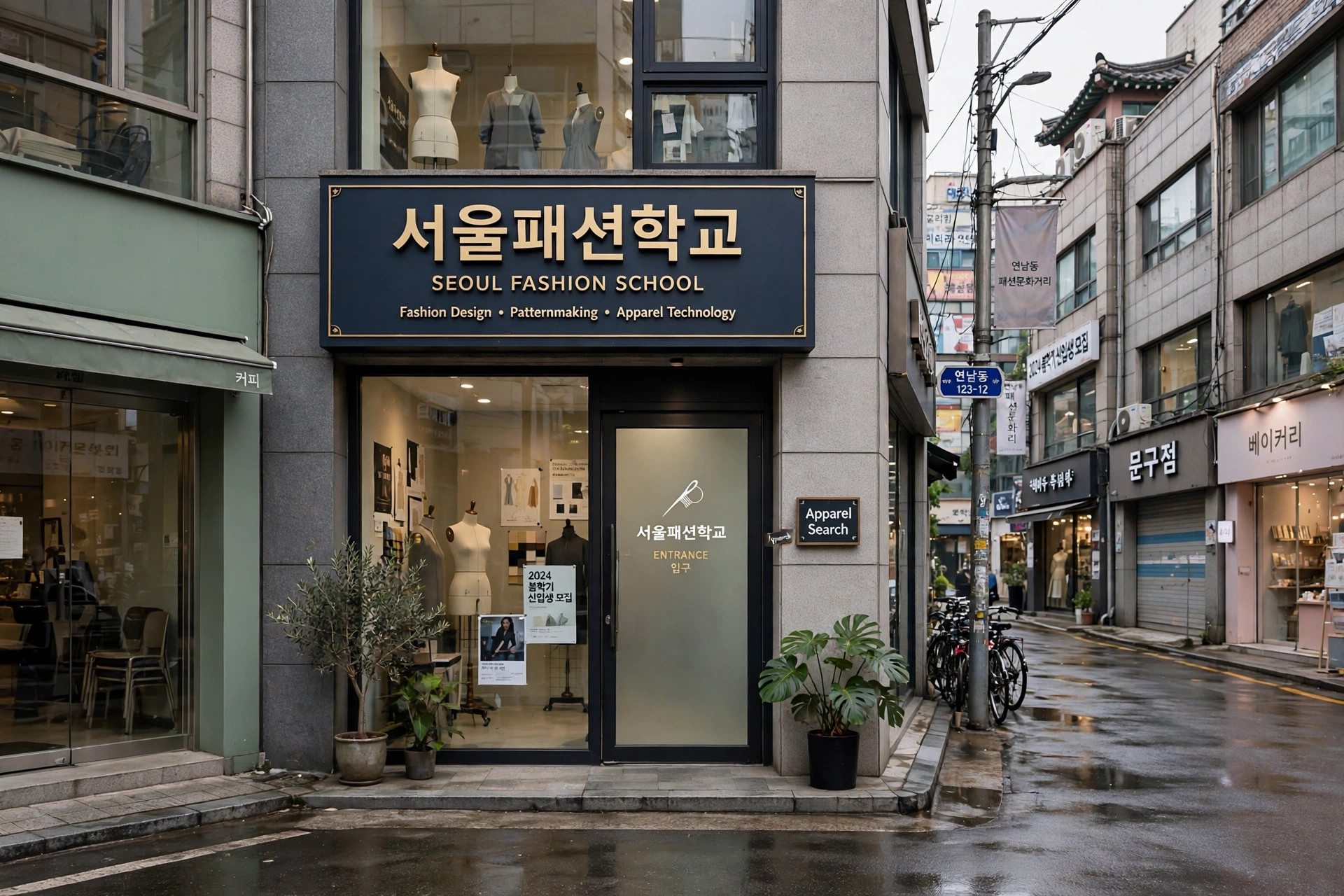
Seoul is one of the world’s most fashion-energized cities. Korean popular culture travels globally, Korean beauty and street style set trends across Asia, and the city supports that visibility with real industry: the Dongdaemun wholesale and retail fashion district runs day and night, major apparel companies and fast-moving domestic brands are headquartered in the capital, and Seoul Fashion Week gives emerging designers a professional platform. For a student, that means fashion is not an abstract subject — sourcing fabric, watching buyers work, and seeing collections move from sketch to shop floor can all happen within a few subway stops of campus.
Fashion education in South Korea is led by large universities rather than standalone fashion colleges. The strongest routes sit inside respected Seoul universities: an art-college department that combines textile art with fashion design, a women’s university with both a creative fashion design major and a separate fashion industry department, and the national university’s research-led department of fashion and textiles. These programs differ in character — studio-art, design-and-industry, and academic-research — so choosing well means understanding which kind of fashion education you actually want.
Two practical notes shape every application. First, most undergraduate teaching in Korea is in Korean, and universities set Korean proficiency expectations for international applicants, so language preparation is part of the admissions plan. Second, older international guides still list the Samsung Art and Design Institute (SADI) as an option; SADI stopped admitting new students in 2024, so it is not included below. The three universities that follow are active, official routes for new applicants.
Fashion Schools in South Korea
Hongik University — Textile Art and Fashion Design
Hongik University, a private university in Seoul’s Mapo district, is one of Korea’s best-known art and design universities. In its College of Fine Arts, the Department of Textile Art and Fashion Design teaches fashion together with textile art, so students develop fabric, surface, and material skills alongside garment design. Hongik also runs a Graduate School of Fashion with majors in Fashion Design and Fashion Business, giving undergraduates a visible path into specialized postgraduate study in design, accessories, and the business of fashion. The university’s international admissions guide lists Textile Art and Fashion Design among its undergraduate programs for overseas applicants, with fine arts applicants assessed through document review and interview.
Hongik suits students who want a studio-centered art education in the middle of Seoul’s Hongdae neighborhood, an area famous for independent music, design shops, and youth culture. If your ambition combines designing clothes with inventing the textiles they are made from, this department’s combined structure is a natural fit.
Ewha Womans University — Fashion Design and Fashion Industry
Ewha Womans University in Seoul offers fashion through two complementary doors. In the College of Art & Design, the Fashion Design major is an art-based program whose faculty research covers fashion design and new media, digital form-making, and fashion visual communication, supported by the university’s Fashion Design Research Institute. Separately, Ewha’s Department of Fashion Industry takes an industry and science approach, with research laboratories in clothing construction, fashion merchandising, textile science, and fashion design, covering topics from 3D body scanning and pattern CAD to retail strategy and sustainable textiles.
Ewha suits students who want to choose their emphasis deliberately: creative, media-aware fashion design within an art college, or a more analytical fashion industry degree that connects clothing construction, merchandising, and textile research. As a women’s university with a large international-student community, it also offers a well-supported environment for overseas applicants who meet its language and entry requirements.
Seoul National University — Fashion and Textiles
Seoul National University, Korea’s national university, teaches fashion in the Department of Fashion and Textiles within the College of Human Ecology. The department is research-led: its faculty laboratories cover fashion design, fashion retail and service, fashion technology, textile materials, clothing comfort, and apparel technical design and production. That breadth shows in student life as well — the department stages an annual fashion show, with the 42nd edition presenting student collections on the theme of Seoul in front of the university’s main gate. Undergraduate study here treats clothing as a subject that joins design, materials science, consumer behavior, and technology.
SNU suits academically strong students who want fashion studied as a research discipline as much as a creative one, and who may continue into graduate research in areas such as fashion design, marketing and retailing, clothing ergonomics, or textile science. Admission to Seoul National University is highly competitive across all departments, so applicants should prepare for a demanding academic selection as well as creative work.
Studying Fashion in Seoul
Seoul is an unusually practical classroom. In Dongdaemun, students can source fabrics and trims in vast wholesale markets, watch garments being produced and distributed at speed, and study how Korean brands turn trends around faster than almost anywhere else. University districts such as Hongdae and the Ewha and Sinchon area add independent boutiques, vintage shops, and pop-up culture, while department stores and global flagship districts show the premium end of Korean retail. Fashion students who use the city — for sourcing, market research, part-time retail experience where their visa allows, and fashion week volunteering — graduate with a working knowledge of a complete fashion ecosystem.
Language is the central planning issue. Most undergraduate programs in Korea are taught in Korean, and Hongik’s international admissions materials, for example, set out Korean proficiency testing arrangements for overseas applicants. Some universities offer Korean language institutes where you can build proficiency before or alongside degree study, and graduate programs may offer more English-medium teaching. Be honest with yourself about your Korean level: studio critiques, factory visits, and internships all run in Korean, and your experience will be far richer if you invest in the language early.
International students need the appropriate student visa and should confirm current financial, attendance, and part-time work rules with the university’s international office and Korean immigration, since regulations are updated periodically. University dormitories, examination schedules, and the Korean academic year, which starts in spring, also differ from North American and European patterns, so build your application calendar around Korean deadlines rather than the ones you know from home.
How to Choose and Apply
Choose by department character first. Hongik’s Textile Art and Fashion Design is the art-studio route, pairing textile invention with garment design. Ewha lets you pick between an art-college Fashion Design major and an industry-focused Department of Fashion Industry. Seoul National University’s Fashion and Textiles is the research route, joining design to materials science, technology, and consumer research. All three are in Seoul, so the city is constant; what changes is how you will spend your days and what kind of graduate you will become.
- Read each university’s international admissions guide in full: eligibility, document lists, interview or portfolio requirements, and Korean proficiency rules differ by university and by field of study.
- Prepare the creative evidence your target department asks for, and note that fine arts applicants at Hongik are screened by document review and interview.
- Plan your Korean language study on a timeline, including whether you will attend a university language institute before degree entry.
- Work to the Korean academic calendar: application rounds for spring entry close many months earlier than applicants from other systems expect.
- Budget for dormitory or private housing, materials for studio projects, and the cost of building a final collection.
Funding options include university scholarships for international students, Korean government scholarship schemes, and each school’s own awards; eligibility and coverage vary widely. Our guide to fashion school financial aid explains the main categories of help, and every figure and deadline should then be confirmed in the official admissions guide of the university you are applying to.
Related Fashion School Guides
Compare study destinations and degree options before you apply. Start with the full directory of countries, then read the country guides that match the cities, languages, and industries you are most interested in.
- Fashion Schools by Location
- Fashion Schools in Japan
- Fashion Schools in Spain
- Fashion Schools in Germany
- Fashion Schools in China
- Fashion Schools in Belgium
- Fashion Schools in the Netherlands
- Fashion Schools in France
- Fashion Schools in Italy
- Fashion Schools in the United Kingdom
- Bachelor of Fashion Degree Guide
Common Questions
Do I need to speak Korean to study fashion in South Korea?
For most undergraduate programs, yes, at least to a working level. Degree teaching in Korea is mainly in Korean, and universities set Korean proficiency expectations for international applicants; Hongik University's international admissions guide, for example, describes Korean proficiency testing arrangements. Many universities run Korean language institutes, so one common route is to study Korean first and then enter the degree program.
Is the Samsung Art and Design Institute (SADI) still accepting students?
No. SADI, the Samsung Art and Design Institute in Seoul, stopped admitting new students in 2024, with its last first-year intake in 2023. It should not be part of a new application plan, even though older guides still list it. Applicants who liked SADI's design focus should look instead at university design and fashion departments that are currently enrolling.
What is the difference between the fashion programs at Hongik, Ewha, and Seoul National University?
Hongik University's Department of Textile Art and Fashion Design is an art-college program that combines textile art with fashion design. Ewha Womans University offers a creative Fashion Design major in its College of Art and Design and a separate, industry-focused Department of Fashion Industry. Seoul National University's Department of Fashion and Textiles, in the College of Human Ecology, is research-led, joining fashion design with textile science, technology, and consumer research.
When does the academic year start in South Korea?
The Korean academic year starts in spring, with the first semester beginning around March, and a second semester starting around September. International application rounds close well before the semester starts, so check each university's international admissions guide for its exact application windows and build your portfolio, documents, and language test schedule around those dates.
Can international students apply to these Seoul universities?
Yes. Hongik University publishes an admissions guide for international students that lists Textile Art and Fashion Design among its undergraduate programs, and Ewha Womans University and Seoul National University also admit international students through their own overseas admissions routes. Each university sets its own eligibility rules, including citizenship conditions for applicants and parents at some institutions, so read the current guide for the university you want before applying.