Footwear Careers and Shoe Job Search
Careers in the shoe trade — design, buying, fitting, selling and making footwear
Footwear is a fashion industry of its own. Shoes are designed, bought, merchandised, sold and manufactured differently from clothing: fit is measured in lasts and width fittings rather than dress sizes, construction runs from cemented soles to stitched welts, and a specialist vocabulary — uppers, insoles, shanks, heels, sneakers, boots, sandals — organizes the whole trade. Careers in footwear range from shoe designers and footwear buyers to retail fitters, showroom salespeople and production and quality specialists in shoe factories.
This guide maps the shoe industry's job families, the employers behind them, and how to focus a footwear job search. It carries the shoe career resources collected for this category, including the footwear job descriptions, so you can compare the design, buying and sales routes before choosing where to aim.
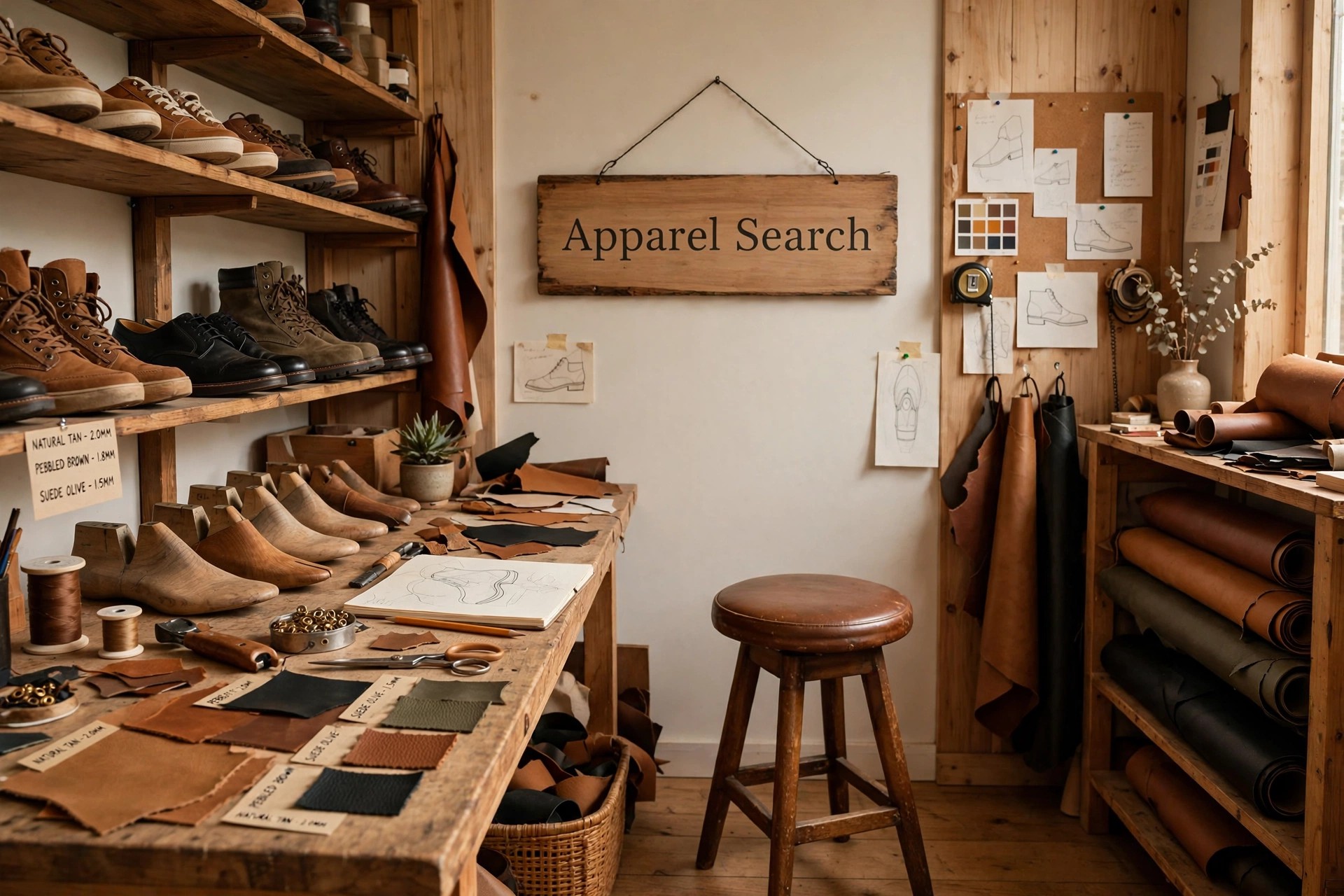
Find Current Footwear Job Listings
Apparel Search researches careers rather than posting openings, so the live listings sit with the job boards. These searches track current Footwear job listings:
Job Families in the Footwear Trade
Design and product development create the shoes: footwear designers sketch styles, technical designers and pattern engineers translate them into patterns over a last, and product line managers build ranges by category — athletic, dress, casual, boots, children's, comfort and safety footwear behave like separate markets. Buying and merchandising roles plan assortments for shoe retailers and the footwear departments of larger stores, managing size and width depth the way clothing merchandisers manage size curves. Sales splits into wholesale representatives selling lines to shoe stores and retail careers in shoe fitting and store management, where measuring feet and understanding fitting is a genuine craft. Behind them, production, sourcing and quality roles work with shoe factories, where leather and materials knowledge and construction methods matter more than garment sewing skills.
Athletic footwear is the trade's largest growth engine and employs its own designers, developers and marketers, often inside sport brands rather than shoe companies. Children's footwear is the most fitting-sensitive corner of all, where trained fitting is a selling point in itself.
Who Employs Footwear Specialists
Shoe brands and manufacturers, footwear retailers from independents to national chains, department stores with shoe departments, athletic brands, catalog and online shoe sellers, and importers and distributors all employ footwear staff. The structure echoes clothing — head offices, showrooms and stores — but the specialist roles concentrate in brands and shoe retailers, which is where design, development and buying careers are built.
How to Search for a Footwear Career
Search with the trade's own words: 'footwear designer', 'shoe buyer', 'footwear merchandiser', 'shoe fitter' and the category you want — athletic, children's, comfort, fashion. Read the footwear job descriptions linked here to see how employers separate design, development and fitting roles that share similar titles. Candidates crossing over from clothing should foreground transferable evidence — range planning for buyers, pattern and materials skills for developers, fitting or footwear retail experience for store careers — and learn the construction vocabulary, because footwear interviewers test whether you know a last from a welt.
Fitting: The Footwear Trade's Signature Craft
Every footwear career touches fitting eventually, because a shoe that does not fit is a return, a complaint or a lost customer. Retail careers build fitting into a formal skill — measuring feet, understanding width fittings, matching last shapes to foot shapes — and children's shoe fitting is treated as a specialty in its own right, since growing feet need room that adult fitting does not allow for. Buyers and merchandisers use fitting knowledge differently: to judge whether a range's size and width spread matches the customers who will try it on. Designers and developers live inside it, shaping lasts and patterns. Even the big shoe retailers' own careers sites — the DSW and Famous Footwear job pages carried in the references on this page — recruit for stores where fitting service is part of the offer. Whatever your footwear ambition, fitting literacy is the trade's common language.
Common Questions
Is footwear a separate career field from clothing fashion?
In employment terms, largely yes. Shoes use different design, pattern and fitting methods, different size and width systems and different manufacturing, so employers hire footwear specialists — although buying, merchandising and sales skills transfer between the two trades.
What jobs exist in the shoe industry?
Footwear design and technical development, shoe buying and merchandising, wholesale and showroom sales, retail shoe fitting and store management, and production, sourcing and quality roles in manufacturing — plus athletic footwear design and marketing inside sport brands.
How do I move from clothing into a footwear career?
Enter through the function you already know — buying, merchandising, sales or retail — and build footwear-specific knowledge: lasts and fitting, size and width systems, materials and construction methods. Footwear retail and fitting roles are the most accessible first step.
More to Explore
- Fashion Careers by Category
- Fashion Careers by State
- Fashion Careers
- Fashion Jobs
- Employment Agencies
- View Fashion Jobs
- Women's Shoe Stores
- Men's Shoe Stores
- women's footwear
- men's footwear
- children's footwear
- Search Job Categories
- Job Search Engines
- Fashion Career Internships
- Message to Employees About Fashion Career
- Message to Employers About Employees
- Clothing Industry Jobs
- Fashion Job Search