Kmart Careers
Kmart — a discount giant reduced to a handful of stores, and the mass-retail skills its people built
Kmart was once the dominant discount department store in America, selling brand-name and private-label apparel, appliances, electronics, toys and household goods at low prices from thousands of big-box stores. For generations of retail workers it was a first employer and a career ladder in one: stockroom and checkout jobs, department supervision, store management, and the buying and logistics organisation that fed an estate of that size. Its apparel departments mattered to fashion careers because they ranged clothing for the whole family at opening price points, in volume.
That estate has almost entirely gone. Sears Holdings, formed when Kmart merged with Sears in 2005, filed for Chapter 11 protection in 2018. In 2019 its surviving assets, including 202 Kmart stores, were sold to Transformco, and closures continued rapidly after that. The last full-size Kmart in the mainland United States, at Bridgehampton, New York, closed in 2024. As of 2026, reporting puts the remaining Kmart stores at just three: a smaller store in the Miami area at Kendale Lakes, Florida, a big-box store in Tamuning, Guam, and a big-box store in Charlotte Amalie in the US Virgin Islands, with the brand also trading online. Nobody should plan a career around applying to Kmart as a national employer.
Store Roles in the Big-Box Era
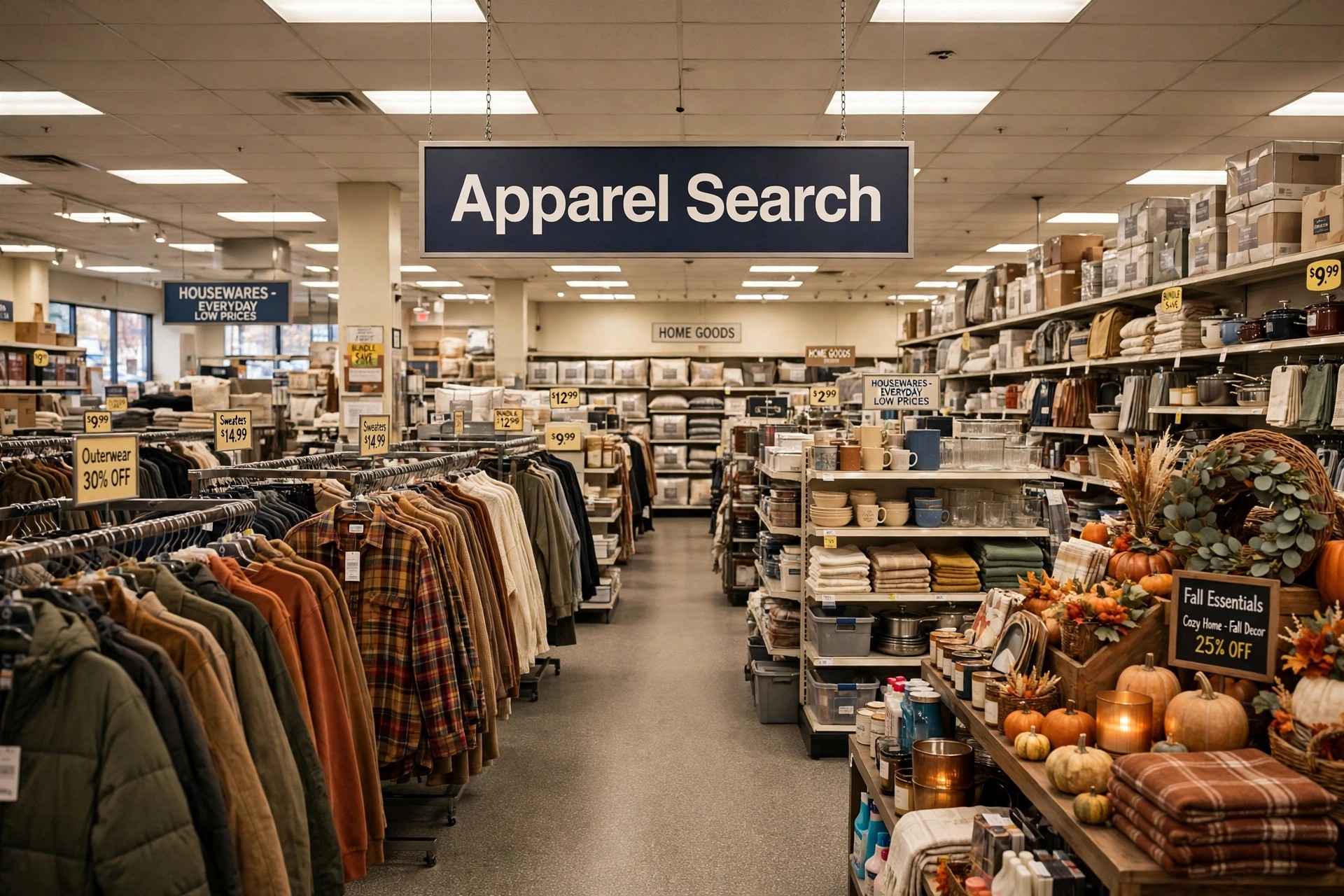
A Kmart store was a generalist operation, and its jobs reflected that. Sales associates worked departments rather than single categories, moving between apparel, home goods and seasonal lines as the trading calendar demanded. Apparel associates handled sizing runs, replenishment from a large back room, price changes and the floor sets for back-to-school, holiday and summer seasons, while department managers owned presentation, stock accuracy and staffing for their areas. Checkout, customer service, loss prevention and stockroom roles supported the whole store.
Store managers and assistant managers ran very large local businesses: hundreds of staff in the biggest stores, high-volume deliveries, and the promotional rhythm of weekly advertising that drove discount trading. The work rewarded operational reliability over fashion knowledge — keeping a huge floor shoppable, staffed and correctly priced through peak weekends. For many managers, Kmart was also a training ground in the disciplines of mass retail: labour scheduling, shrink control, inventory counts and the unglamorous logistics of moving thousands of lines through one building.
Buying, Private Label and Logistics
Behind the stores sat a buying organisation that purchased apparel and other merchandise at national scale. Buyers and merchandisers negotiated with suppliers, planned seasonal assortments and managed private-label programmes that let Kmart offer clothing at prices national brands could not match. Planners and allocators spread stock across stores whose climates and customer bases varied widely, and the accuracy of that work decided whether a store had the right sizes during a promotion or a rail of the wrong ones.
Distribution centres and transportation teams moved that merchandise from suppliers to stores, and the scale of the operation made logistics a career in its own right: warehouse supervision, inventory control, fleet and route planning, and the systems work behind replenishment. Apparel passed through this system as one flow among many, and staff who understood variant handling — sizes, colours and styles multiplying across a single basic — were valuable well beyond the clothing departments.
The Decline, the Bankruptcy and Transformco
Kmart's decline was long before it was sudden. An earlier Chapter 11 filing in 2002, the 2005 merger with Sears, and years of underinvestment left the combined Sears Holdings losing ground to other discount retailers and to online shopping. The 2018 filing and the 2019 sale to Transformco did not restart the chain as a growing retailer; Transformco's subsequent years have been defined by further closures and by managing the remaining properties. The three surviving stores are a remnant, not a growth programme, and no national Kmart hiring campaign exists behind them.
That history is worth stating plainly because old Kmart job listings still circulate online, and because the brand name still appears in retail nostalgia and in search results. Any listing that presents Kmart as a large national employer hiring across the country is out of date. Current roles, if any, would sit with Transformco or with the individual remaining stores, and should be verified through Transformco's own channels before any application or personal information is shared.
Using Kmart Experience Today
The skills Kmart built remain employable, even though the employer has shrunk to a remnant. Big-box operations, department management, high-volume replenishment, loss prevention, distribution centre work and value apparel buying all transfer directly to today's large discount, general-merchandise and grocery retailers, and to the logistics companies that serve them. Former Kmart staff should describe the scale plainly — the size of store, the volume of stock, the promotional pace — because that operational record is what a mass retailer recognises. Apparel-specific experience travels too: ranging family clothing at opening price points, managing size and colour variants through promotions, and keeping a large clothing department stocked and tidy with a small team are skills every value retailer still hires for, even though Kmart itself no longer does so at any meaningful scale.
Common Questions
Is Kmart still open?
Barely, as a store chain. After the 2018 Sears Holdings bankruptcy and the 2019 sale to Transformco, closures left only a handful of stores. As of 2026, reporting puts the total at three: Kendale Lakes in the Miami area, Tamuning in Guam, and Charlotte Amalie in the US Virgin Islands, alongside online trading.
Who owns Kmart now?
Transformco, the privately held company formed in 2019 to acquire the surviving Sears Holdings assets, including 202 Kmart stores at that time. Sears Holdings itself had been formed by the 2005 merger of Kmart and Sears.
Can I apply for a job at Kmart?
There is no national Kmart hiring programme. Any roles would be tied to Transformco or to one of the few remaining stores, and should be verified through Transformco's own channels. Most people with Kmart experience now apply to other large discount and general-merchandise retailers.
More to Explore
- Kmart
- Fashion Careers
- Fashion Jobs
- Apparel Industry Employment Agencies
- K-mart News
- K-mart Financials
- Fashion Careers by Company
- Fashion Careers by Category
- Fashion Careers by State
- Fashion Job Description Categories
- Job Search Engines
- Fashion Career Internships
- Message to Employees About Fashion Career
- Message to Employers About Employees
- Fashion Job Search
- Clothing Industry Jobs
- View Fashion Jobs
- fashion business