Sears Careers
Working at Sears — what remains of a retail giant, and the careers its stores and brands once supported
Sears was for most of the twentieth century the defining American department store: a full-line retailer selling clothing, appliances, tools, tyres and home goods from hundreds of large stores, with brands of its own — Kenmore appliances, Craftsman tools, DieHard batteries — and a catalogue heritage that predated its stores. Its workforce was correspondingly broad, spanning shop-floor selling, auto centres, buying offices, distribution and one of the largest retail head offices in the country.
Almost all of that is gone. Sears Holdings filed for Chapter 11 in October 2018, and in 2019 the surviving business was sold to Transformco, an affiliate of the hedge fund ESL Investments. Closures continued year after year until the Sears store base, once many hundreds strong, was reduced to a small handful of stores. This guide describes Sears careers as they now stand — a small residual business — and records the roles the company employed at scale, because Sears experience still appears on a great many retail résumés.
The Roles Sears Employed at Scale
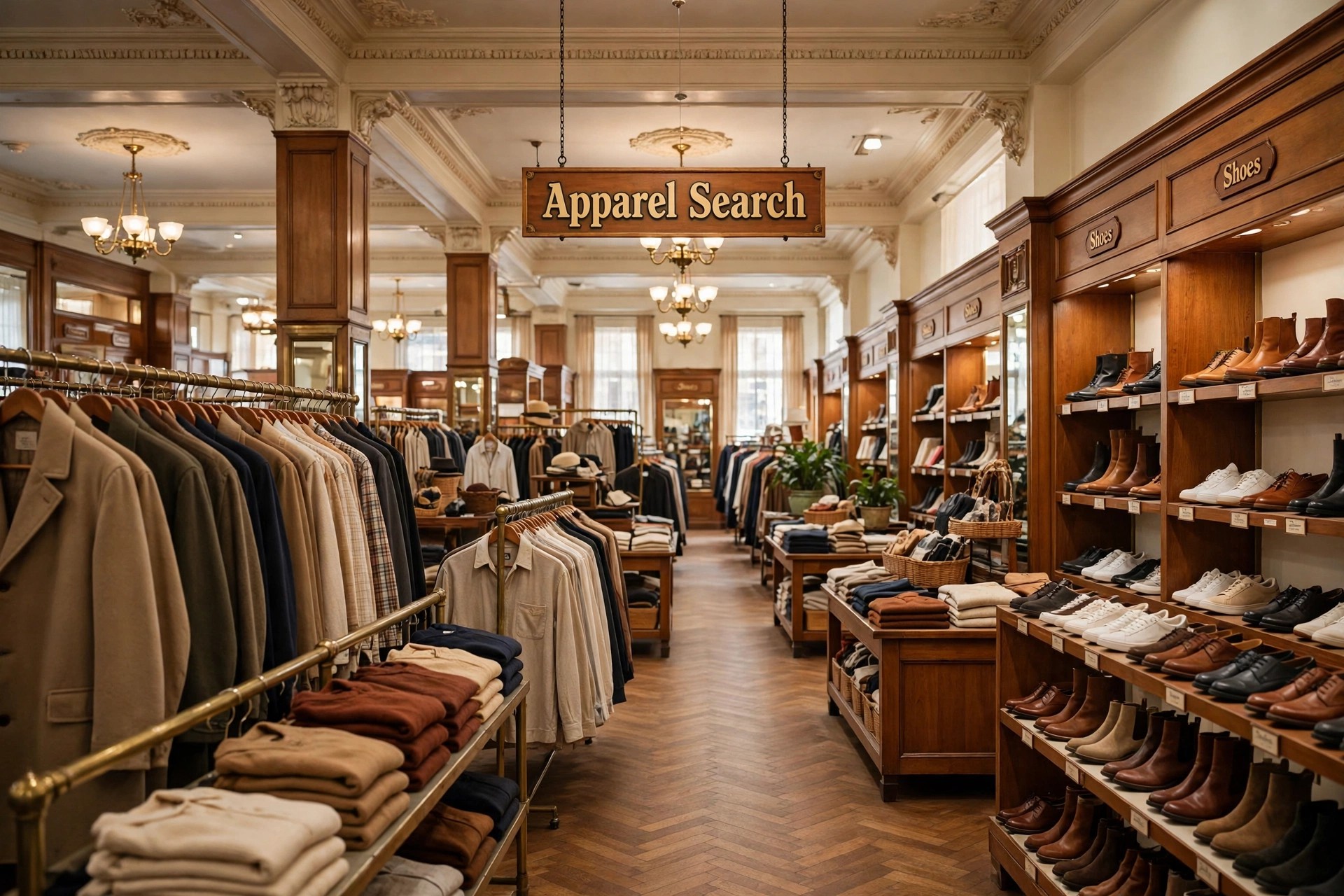
A full-line Sears store was several businesses in one box. Consultative associates sold appliances, tools, electronics and furniture on commission-style models that rewarded product knowledge; apparel and footwear associates ran the clothing departments; cashiers and stock teams kept a very large store operating; and the Sears Auto Centers employed tyre and battery technicians and service advisors in their own attached operations.
Store leadership was equally layered — department managers, operations managers and store managers overseeing a workforce that in a big store ran to hundreds. Above the stores, the Hoffman Estates headquarters in Illinois ran buying and merchandising for every category, the private brands, a vast supply chain, catalogue and later e-commerce operations, real estate, and the service networks that repaired appliances in customers' homes across the country.
Apparel and Brands Inside Sears
Fashion was never Sears' headline, but its clothing business was large and its buying offices were a serious employer of apparel merchants. Sears sold national brands alongside its own labels, and for years carried Lands' End inside its stores before that brand was spun off as a separate company in 2014. Kenmore and Craftsman, its two great hardlines brands, were managed as brands in their own right, with product and packaging teams; Craftsman was sold to Stanley Black & Decker in 2017 while Kenmore remained with the group.
For apparel professionals, Sears buying and product roles offered experience of true mass-market volume: price architecture for a price-sensitive customer, huge open-to-buy numbers and private-label development at a scale few fashion employers match. Those skills remain legible to mass merchants and off-price retailers even though the Sears offices that taught them have closed.
The Decline and the Transformco Era
Sears lost ground for two decades: to discount rivals on price, to specialists in appliances and tools, and to e-commerce in everything. Store investment lagged, sales fell, and the company closed stores in waves long before the 2018 bankruptcy. The 2019 sale to Transformco preserved a rump — a few hundred stores at first, split between the Sears and Kmart nameplates — but closures continued steadily under the new owner.
The result today is a residual operation: a small number of Sears stores, the Kenmore and DieHard brands, home services activity and the sears.com website. Hiring is correspondingly small and mostly store- or service-level. Readers should calibrate expectations accordingly — Sears is a live employer only in a narrow sense, and its official careers site is the place to check what genuinely exists.
Applying and Using Sears Experience
For current openings, check the official Sears careers site directly (the company’s website is linked in References below) and verify the location and employer named in any posting, because third-party boards recycle old Sears listings long after stores close. Former Sears staff should translate their experience actively: consultative selling, department management, auto service and mass-market buying all have direct equivalents at surviving retailers, and naming the scale — store volume, team size, category — makes the experience readable.
Common Questions
Is Sears still in business?
A small remnant is. After Sears Holdings' 2018 Chapter 11 filing, the business was sold to Transformco in 2019, and continued closures reduced the Sears store base from hundreds of stores to a small handful, alongside sears.com and the Kenmore and DieHard brands.
What careers did Sears offer?
At its scale, nearly every retail career: consultative and apparel selling, auto centre technicians and advisors, store and department management, buying and merchandising, private-brand product teams, supply chain, e-commerce and home services.
How do I apply for a Sears job now?
Through the official Sears careers site — the company’s website is linked in the References at the bottom of this page. Check postings carefully — the store base is very small, and job boards often carry outdated Sears listings.
More to Explore
- Sears Holdings
- Sears
- Kmart
- Fashion Careers
- Fashion Jobs
- Apparel Industry Employment Agencies
- Sears News
- Sears Financials
- Fashion Careers by Company
- Fashion Careers by Category
- Fashion Careers by State
- Fashion Job Description Categories
- Job Search Engines
- Fashion Career Internships
- Message to Employees About Fashion Career
- Message to Employers About Employees
- Fashion Job Search
- Clothing Industry Jobs
- View Fashion Jobs
- fashion business