Buying Job Descriptions — Letter O
Buying and purchasing job descriptions beginning with O
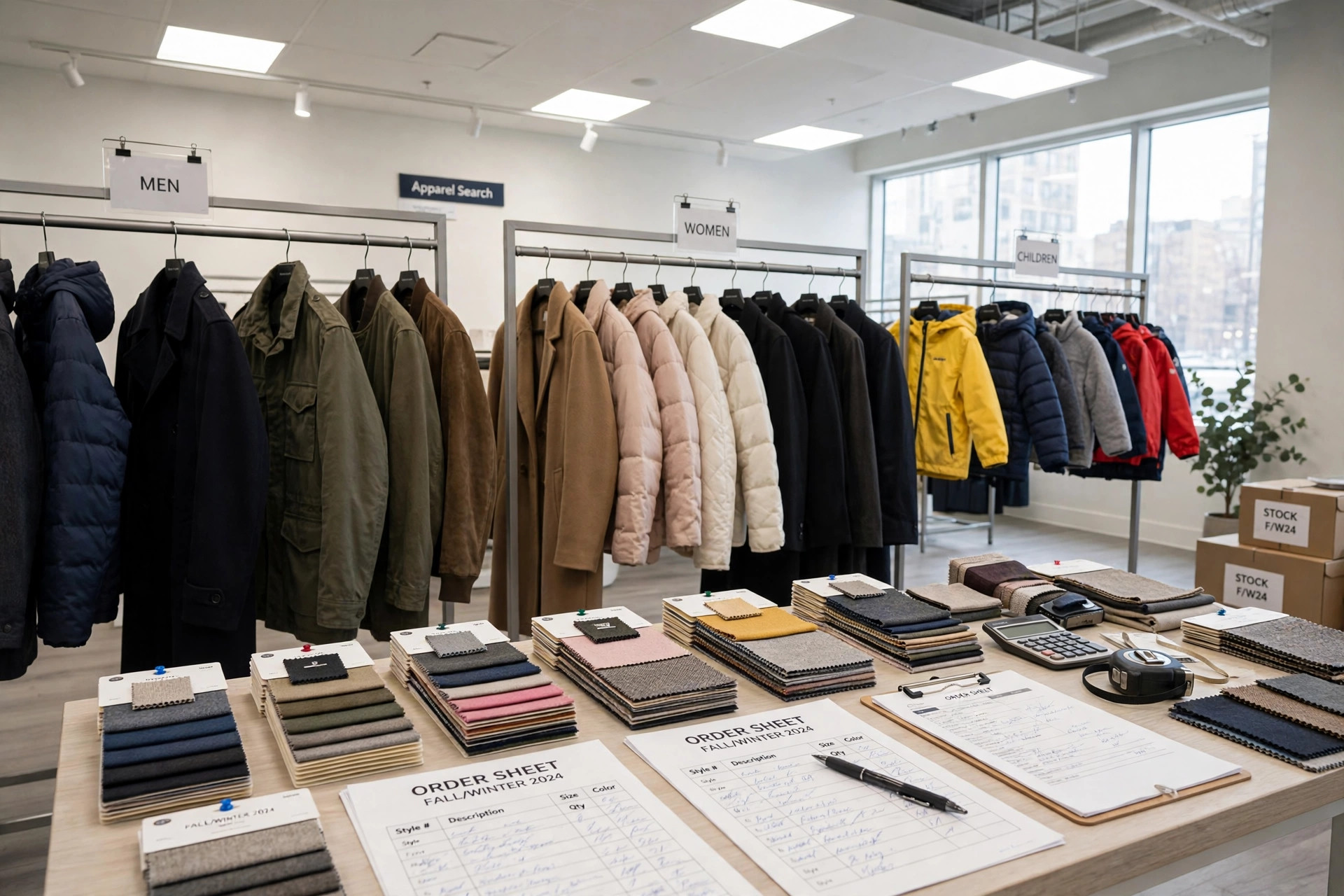
Four buying job descriptions begin with the letter O, and all four concern the same merchandise family seen from different seats. The Outerwear Buyer page covers the category as a whole — coats and jackets planned around weather, season length and high unit values. Three further pages split that brief by customer: a children's version governed by growth, durability and parents' budgets, a men's version centred on technical performance and long-lived classics, and a women's version where silhouette and trend move fastest. Each description is linked below.
More Buying Job Descriptions by Letter:
O — Buying Roles
One Category, Four Buying Briefs
Outerwear is unusual among clothing categories because the weather is a silent partner in every decision: a mild autumn can strand a season of heavy coats, while an early cold snap can sell out core styles before the main delivery lands. The general outerwear buyer manages that exposure across a whole business. The three market-specific buyers each face a narrower version of the same gamble, shaped by who wears the garment — a growing child, a man replacing a coat he expects to keep for years, or a woman following a silhouette that may change completely next winter.
How to Use These Four Descriptions
Read the general page first for the shared craft: forward ordering, weather contingency, fabric and insulation choices, and the markdown risk that comes with expensive, bulky stock. Then turn to the market page closest to the work you want. The children's description dwells on sizing by age, washability and school calendars; the men's on waterproof ratings, insulation weights and size curves; the women's on balancing fashion statements against the investment coats customers keep. Together they show how one specialism divides as it gets closer to the customer.
Common Questions
Why does outerwear have separate buyers for children, men and women?
Because the purchase logic differs completely in each market. Children's coats are bought by parents against growth and durability, men's outerwear is bought infrequently and expected to perform for years, and women's outerwear follows fashion silhouettes as well as weather. Separate buyers let each range be planned around its own customer.
What is the biggest risk an outerwear buyer manages?
The weather. Outerwear is ordered many months before it sells, in expensive and bulky units, so a season that turns out warmer or colder than planned leaves the buyer either holding heavy markdown stock or out of the styles customers suddenly want.