Tie Buyer Job Description
Buying neckties and bow ties — silk, weave, width and the colour stories that finish a suit
A tie buyer selects the neckties, bow ties and related neckwear a store sells — a small category with an outsized job. A tie is the most visible detail of a tailored outfit, the most gifted item in menswear, and a pure exercise in colour and pattern buying: there is almost no fit to hide behind, so fabric, weave, print and shade carry the decision. Tie ranges are planned inside menswear, against its suits and shirts, and fabric and colour knowledge matters far more than the category's size suggests. This page explains the role, its close relationship to the neckwear buyer title, and the skills it requires.
More Buying Job Descriptions by Letter:
What a Tie Buyer Does
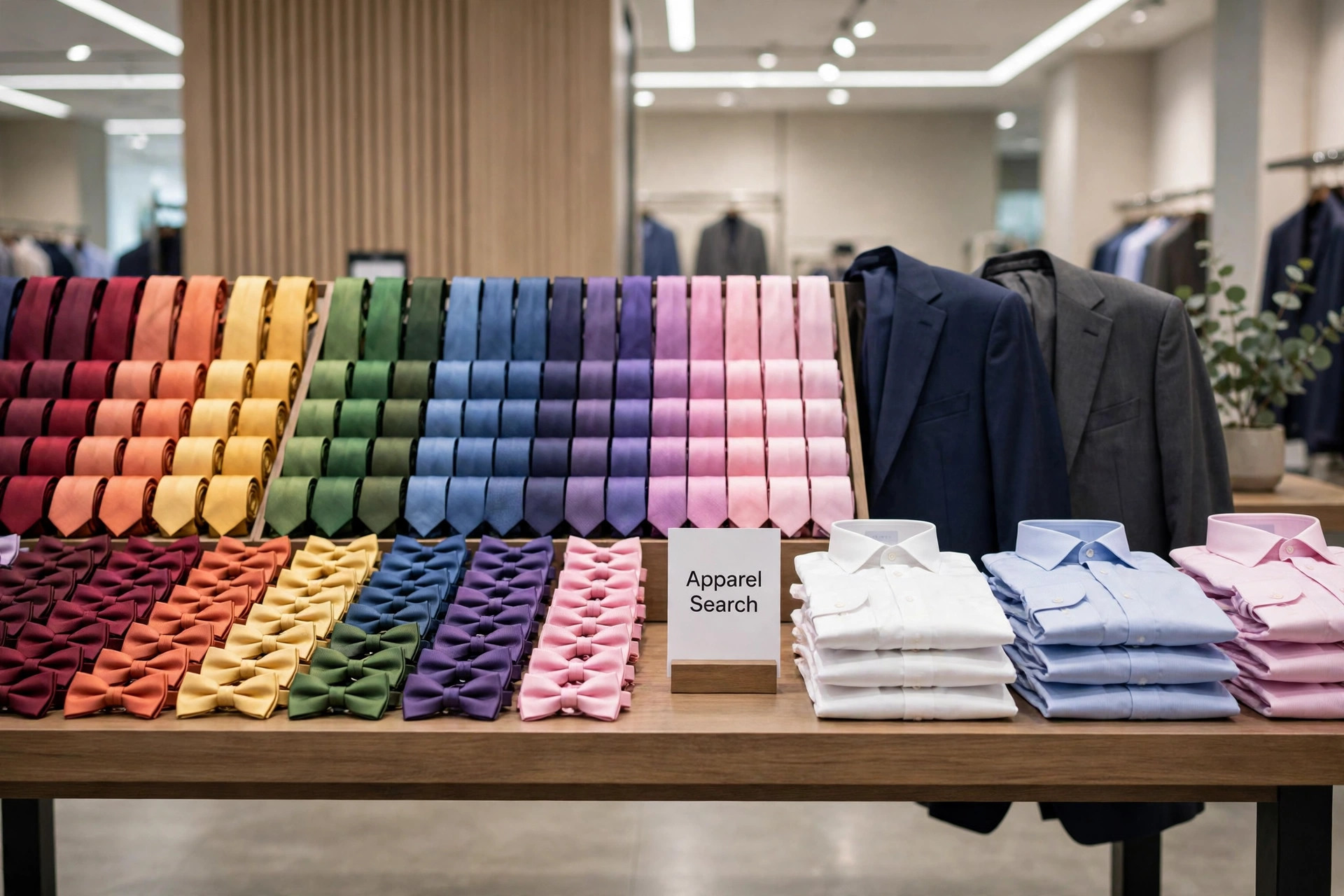
The tie buyer builds the neckwear range in colour stories that answer the season's tailoring and shirting: the blues and burgundies that work with navy and grey suits, the brighter fashion colours that refresh a formal wardrobe, and the formal black and occasion styles bought for weddings and evening wear. Vendor ranges are edited by the handful and the hundreds at once — a single story may run from conservative woven stripes for business customers to printed silk novelties — and the buyer balances that breadth against depth in the patterns history says will repeat. Because ties are bought heavily as gifts, the range is also planned by presentation: boxed and gift-ready styles for the holiday peak, price points that sit comfortably in gift territory, and packaging decided as part of the buy, not after it.
Quality assessment is hands-on. The buyer handles every sample: silk weight and density, the weave's definition, how a printed pattern sits on the bias, the interlining that gives a tie its body and knot, the tipping and bar-tack finish, and how the blade recovers after being knotted and pulled through the hand. Width and length are planned against current tailoring — lapel widths and collar shapes set the proportion a tie must match — and orders are phased so fresh colour lands with the new season's suits and shirts rather than after them. In season, the buyer reads pattern-level sales weekly, repeats the designs selling through, and manages the long tail of slow patterns that a wide colour range inevitably creates.
Silk, Weave and Width: The Product Knowledge
Silk dominates quality neckwear, and the tie buyer judges it by momme weight, weave and finish: jacquard wovens carry pattern in the cloth itself with a depth print cannot match, while printed silks allow finer, more colourful designs on a lighter ground. Grenadine, knitted and wool or linen seasonal ties each serve different tailoring and different months, and the buyer plans the fabric mix across the year rather than defaulting to one cloth. Construction details — a self-tipped blade, a proper wool interlining, hand-rolled edges at the premium end — are specified tier by tier, because they decide how the tie knots, hangs and ages.
Width is the category's fashion variable. Tie blade widths follow suit lapels and collar fashions in cycles, and committing a whole range to a narrowing or widening width at the wrong moment dates the department instantly; experienced tie buyers phase width changes through the range as tailoring itself moves. Colour judgement is the third discipline: a tie must be chosen against cloth it will actually touch — suiting plains, shirting stripes and checks — so the buyer works with garments in hand, not swatches alone, testing combinations the customer will make in the fitting room. That outfit-level thinking is what separates a tie buyer from a general accessories buyer covering the category.
Skills and Abilities the Role Requires
Colour and pattern judgement comes first: the tie buyer needs a trained, confident eye for how small-scale pattern reads at conversational distance, how a weave photographs and catches light, and which colour stories will still look right when the season's suiting sells through. That eye is paired with close numeracy — pattern-level sell-through, depth decisions across many designs, gift-season forecasting and markdown control on a range where hundreds of styles may each sell in modest quantities.
The role is usually exercised inside a team: in larger businesses a dedicated tie or neckwear buyer works within menswear or accessories buying; in smaller ones the category belongs to a menswear or accessories buyer's wider brief. Either way, coordination is constant — with the tailoring and shirting buyers whose ranges the ties must complete, with visual merchandising on how ties are displayed by colour and story, and with vendors, many of them specialist makers, on weave capacity and print minimums. Store feedback matters practically: assistants at the tie fixture hear which colours customers ask for against which suits, and that intelligence feeds the next colour story.
Qualifications, Training and Career Path
Tie buyers generally arrive from assistant buyer posts in menswear or accessories, where range planning and vendor work are learned; there is no neckwear-specific qualification employers require. What hiring managers look for is demonstrated colour, fabric and menswear knowledge — often built through tailoring or accessories retail experience — because the category's judgements are almost entirely product judgements. A candidate who can discuss silk weaves, width cycles and gift buying with specifics will outrun a generalist CV on this desk.
Careers progress from tie buying to broader neckwear and accessories buying, to menswear buying roles, and on to senior and divisional posts. The colour-story discipline transfers well: buyers trained on ties are often trusted with other colour-critical ranges such as shirting, knitwear colour palettes and seasonal accessories. Within specialist menswear and luxury businesses, deep neckwear expertise can also lead to product and brand roles with tie and accessory makers, where the same silk, weave and pattern knowledge is used to build ranges rather than select them.
Common Questions
What is the difference between a tie buyer and a neckwear buyer?
They cover the same ground under two titles: neckwear is the category name, and ties are its best-known product. A neckwear buyer role may also include bow ties, cravats and scarves alongside ties; a tie buyer title focuses on the tie range itself. Both sit inside menswear or accessories buying.
Why are ties bought as colour stories?
Because a tie is worn against specific suits and shirts. Buyers plan colours and patterns to work with the season's tailoring and shirting — tested against the actual garments — so customers can complete an outfit confidently, and gifting customers can choose safely.
How important is silk quality in tie buying?
Decisive at the quality end. Silk weight, weave definition and interlining decide how a tie knots, hangs and recovers. Buyers assess all three on samples, and set construction standards such as self-tipping by price tier.