Vendor Compliance Job Description
Setting the standards vendors must meet, auditing whether they meet them, and driving corrective action when they do not
Every garment a retailer sells arrived through a chain of promises: it would be made as specified, labelled as the law requires, packed as the warehouse demands and shipped on the agreed date. Vendor compliance is the function that writes those promises down as standards, checks whether vendors keep them, and acts when they do not. Working between buying, quality, logistics and legal teams, compliance staff protect the customer from unsafe or mislabelled product, the warehouse from unprocessable cartons, and the company from the fines, recalls and chargebacks that follow when a vendor's shortcut becomes the retailer's problem.
More Miscellaneous Job Descriptions by Letter:
Writing and Communicating the Standards
Compliance begins in documents. The vendor compliance team maintains the vendor manual — the rulebook every supplier receives and signs up to — covering product safety and testing requirements, fibre content and care labelling, country-of-origin marking, packaging and carton specifications, ticketing and barcode standards, routing and delivery rules, and the ethical sourcing and factory standards the company requires. Each rule exists because something once went wrong without it, and the manual is revised as laws, retailer requirements and hard lessons accumulate.
Publishing a rule is not the same as a vendor understanding it, so communication is half the craft. Compliance staff run vendor onboarding for new suppliers, brief agents and factories on changed requirements, answer interpretation questions before production rather than after, and translate legal and technical language into instructions a factory floor can follow. The manual that sits unread is a failed control; the standard explained early, with examples of acceptable and unacceptable work, prevents the violations that audits later punish.
Audits, Testing and Corrective Action
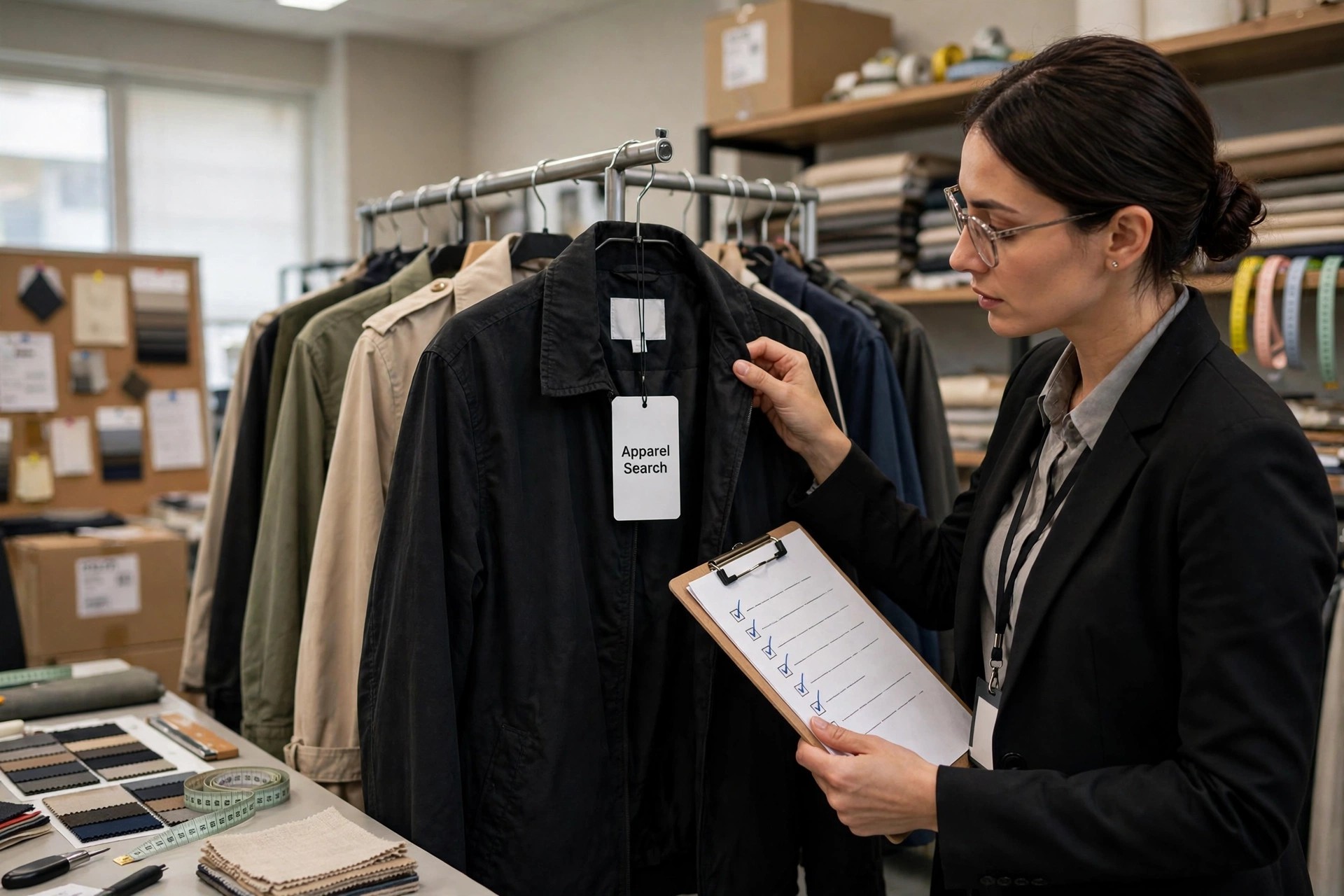
Verification follows. Compliance teams coordinate factory and social audits, review product test reports from laboratories, check pre-production and shipment samples against specification, and monitor incoming inspection results for patterns — one mislabelled carton is an accident, the same error across three shipments is a system. Shipments that break the rules trigger a documented response scaled to the offence: rework or relabelling at the vendor's cost, shipment refusal in serious cases, and chargebacks that recover the expense non-compliance imposed.
The corrective action plan is the role's central tool. Rather than simply fining and moving on, the compliance specialist requires the vendor to identify why the failure happened, what will change, and by when — then verifies the change at the next audit or shipment. Repeat offenders escalate: increased inspection, probation, reduced orders, and ultimately removal from the approved vendor list. That ladder of consequences, applied consistently and documented carefully, is what separates a compliance programme that vendors respect from one they price in as a cost of business.
Skills and Abilities the Role Requires
Precision is the first requirement: standards work is exact by nature, and the specialist who misreads a labelling regulation exports the error to thousands of garments. Analytical thinking follows — test reports, audit findings and inspection data must be read for root causes, not just filed — along with the firmness to hold a standard against commercial pressure when a late shipment tempts everyone to waive it, and the fairness to distinguish a vendor's honest mistake from a pattern of disregard.
Knowledge is specific and growing: product safety law, labelling rules in each selling market, testing methods, factory audit practice and the company's own systems. Communication runs in two registers — precise written findings that would stand up in a dispute, and patient explanation for vendors working in a second language and a different business culture. Many specialists develop real expertise in one strand, such as social compliance or product safety, and become the company's reference point for it.
Qualifications, Training and Career Path
Vendor compliance staff are commonly drawn from quality assurance, technical and garment technology roles, buying administration, import and logistics teams, or laboratory testing — anywhere that taught them how product is made, checked and moved. Qualifications in textiles, quality management, supply chain or a related field support the application, and employers provide training in their own manuals, audit protocols and the regulations of their markets, which differ enough that local knowledge is always built in-house.
The career path deepens or broadens. Specialists rise to senior compliance and vendor compliance manager roles owning the manual and the audit programme, or specialise further into ethical sourcing, sustainability assurance and product safety leadership. Others move into quality management, sourcing or supply chain roles carrying their standards knowledge with them. Because every retailer and brand of scale maintains this function — and regulation only grows — experienced compliance professionals are steadily employable across the industry.
Common Questions
What does vendor compliance do?
Vendor compliance sets the standards vendors must meet — product safety, labelling, packaging, delivery and ethical requirements — communicates and onboards vendors to them, audits and tests against them, and drives corrective action, chargebacks or delisting when vendors fail.
What is a vendor compliance chargeback?
A chargeback recovers from the vendor the costs its non-compliance caused — relabelling, rework, extra handling or inspection, for example. It is documented against the published standard the vendor agreed to, and sits alongside corrective action plans aimed at preventing a repeat.
How do you get into vendor compliance?
Usually from quality assurance, garment technology, buying administration, importing or laboratory testing, with qualifications in textiles, quality or supply chain as support. Companies train their own vendor manuals, audit methods and market regulations on the job.