Isaac Mizrahi Runway
The shows themselves — the standard, presented look by look.
A runway show is a designer's argument made at walking pace, and the shows of Isaac Mizrahi are judged against a standard the designer set personally: couture finish applied to American ease — the ballgown and the T-shirt treated as equals. Look by look, the presentations in New York restate the signatures — cheerful American glamour — ballgowns worn with T-shirts, bright clear color, and classic sportswear pieces cut with a couture finish — as a complete wardrobe rather than a set of isolated pieces. This page follows the runway strand of the record in this guide.
The Photos section gathers runway photography across the seasons, and the search routes in the references run Isaac Mizrahi runway news, photo and video searches. Pair this page with the fashion week page for the calendar around the shows, and with the collections page for the seasons filed in order. The designer's official website is linked in the references.
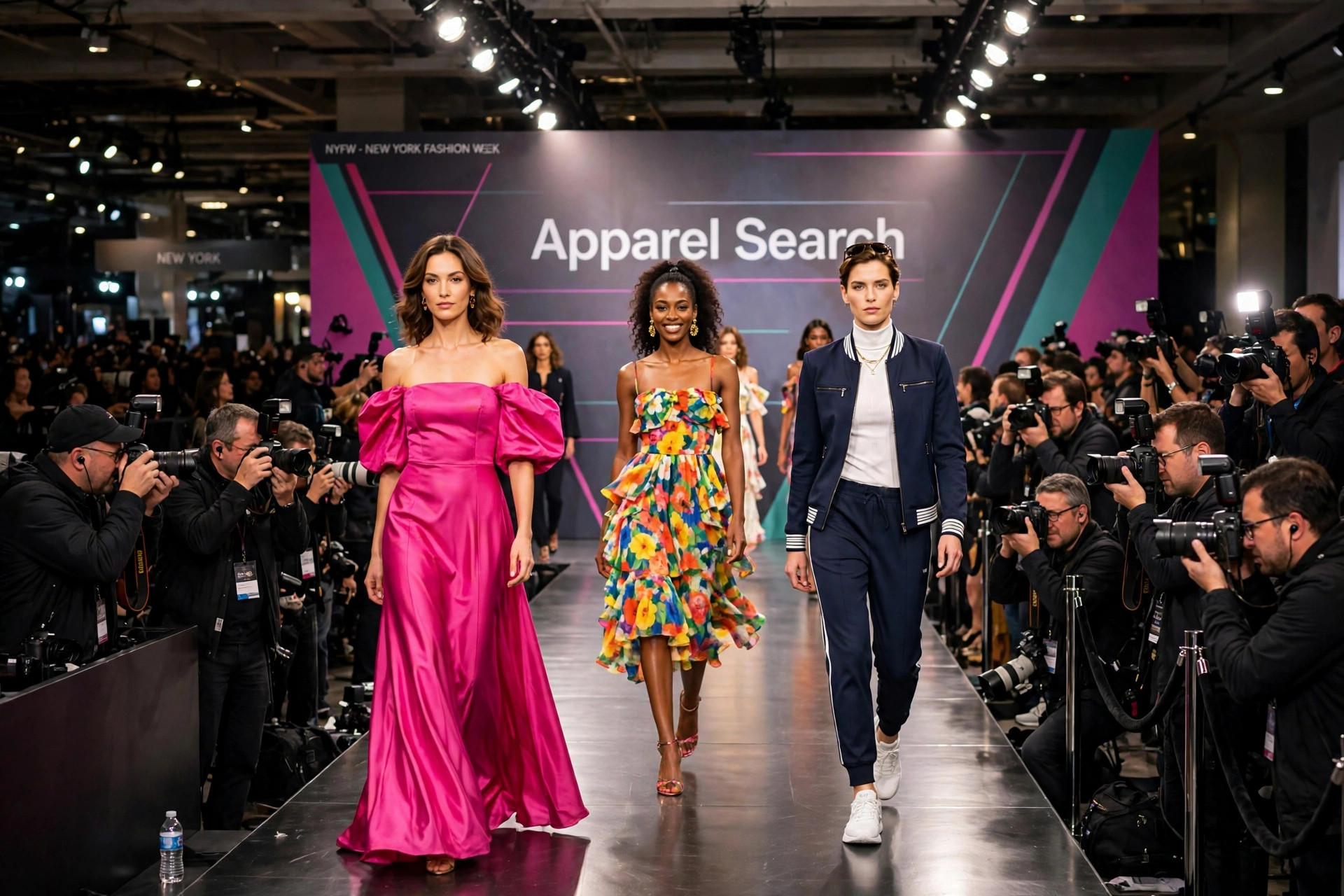
Illustrative image created for this guide — an artistic impression, not this designer's own garments.
News, Photos & VideoCollectionsFall FashionsFashion WeekNewsProfilesRunwaySpring Fashions
The Show as a Wardrobe Argument
A house with permanent signatures presents differently from a house chasing novelty. The Isaac Mizrahi show proposes the standard — the garments the designer is known for, in the season's handling — and then proves it across the whole wardrobe, exit by exit, so the photographs gathered in the Photos section read as chapters of one argument rather than a catalogue of separate pieces. The variation is in the proportions, the fabrics and the finishing; the argument does not change, because it rests on the designer's central conviction about how clothes should serve the person wearing them.
Runway photographs reward sequence for exactly that reason. A single image shows a famous shape; a full set shows the system beneath it — the tailoring and soft pieces answering each other, the accessories completing every look, the day clothes and evening clothes cut from the same idea. Video adds what stills cannot: the clothes at walking pace, which is where construction tells the truth — cloth that follows the stride instead of fighting it.
Reading the Runway Record
Filed show over show, the runway record becomes the most vivid part of the archive: dated, photographed, and inseparable from the biography on the profiles page — Born in Brooklyn, New York, on October 14, 1961, Isaac Mizrahi studied at Parsons School of Design and worked for Perry Ellis, Jeffrey Banks and Calvin Klein before launching his own label in 1987; he won the CFDA's Designer of the Year award in 1988 and again in 1989. He closed his couture house in 1998 — a story told in the 1995 documentary Unzipped — and in 2002 launched a designer collection for Target that ran until 2008 and proved a couturier could dress a mass audience without diluting the clothes. He became creative director of Liz Claiborne in 2008, launched a line on QVC, and sold his brand to Xcel Brands in 2011, remaining its public face through television, books and the stage. The spring fashions page follows the runway's lighter strand and the fall fashions page its autumn weight; the news page gathers the reviews each showing receives.
For the calendar view of the same events, turn to the fashion week page in this series. The runway is where that calendar becomes visible — the standard, re-presented in New York each season, in front of the photographers whose pictures fill the Photos section here.
Common Questions
What is the Isaac Mizrahi runway record known for?
Complete wardrobe statements built on permanent signatures: cheerful American glamour — ballgowns worn with T-shirts, bright clear color, and classic sportswear pieces cut with a couture finish — presented in sequence in New York, season after season.
Where are the Isaac Mizrahi collections shown?
In New York, on the calendar covered by the fashion week page in this series; this page follows the presentations themselves, look by look.
How is this runway page different from the collections page?
The collections page files the seasons as garments and themes. This page follows the shows: the order of looks, the signatures in motion, and what a presentation asks its audience to judge.
More to Explore
References & Further Reading
- Fashion Week Photos
- Isaac Mizrahi Runway Fashion Search
- Isaac Mizrahi Runway Fashion News
- Isaac Mizrahi Runway Fashion Photos
- Isaac Mizrahi Runway Fashion Videos
- Isaac Mizrahi Runway Fashion
- Isaac Mizrahi Runway Fashion News
- Isaac Mizrahi Runway Fashion Images
- Isaac Mizrahi Runway Fashion Video
- Isaac Mizrahi
- Isaac Mizrahi blog
- Fashion Models