Nino Cerruti Runway
The shows themselves — the standard, presented look by look.
A runway show is a designer's argument made at walking pace, and the shows of Nino Cerruti are judged against a standard the designer set personally: cloth first — a mill family's knowledge of wool carried into tailoring that softened the suit without surrendering it. Look by look, the presentations in Paris restate the signatures — soft Italian tailoring — relaxed jackets, fine Biella woolens and menswear elegance eased into modern comfort — as a complete wardrobe rather than a set of isolated pieces. This page follows the runway strand of the record in this guide.
The Photos section gathers runway photography across the seasons, and the search routes in the references run Nino Cerruti runway news, photo and video searches. Pair this page with the fashion week page for the calendar around the shows, and with the collections page for the seasons filed in order. The designer's official website is linked in the references.
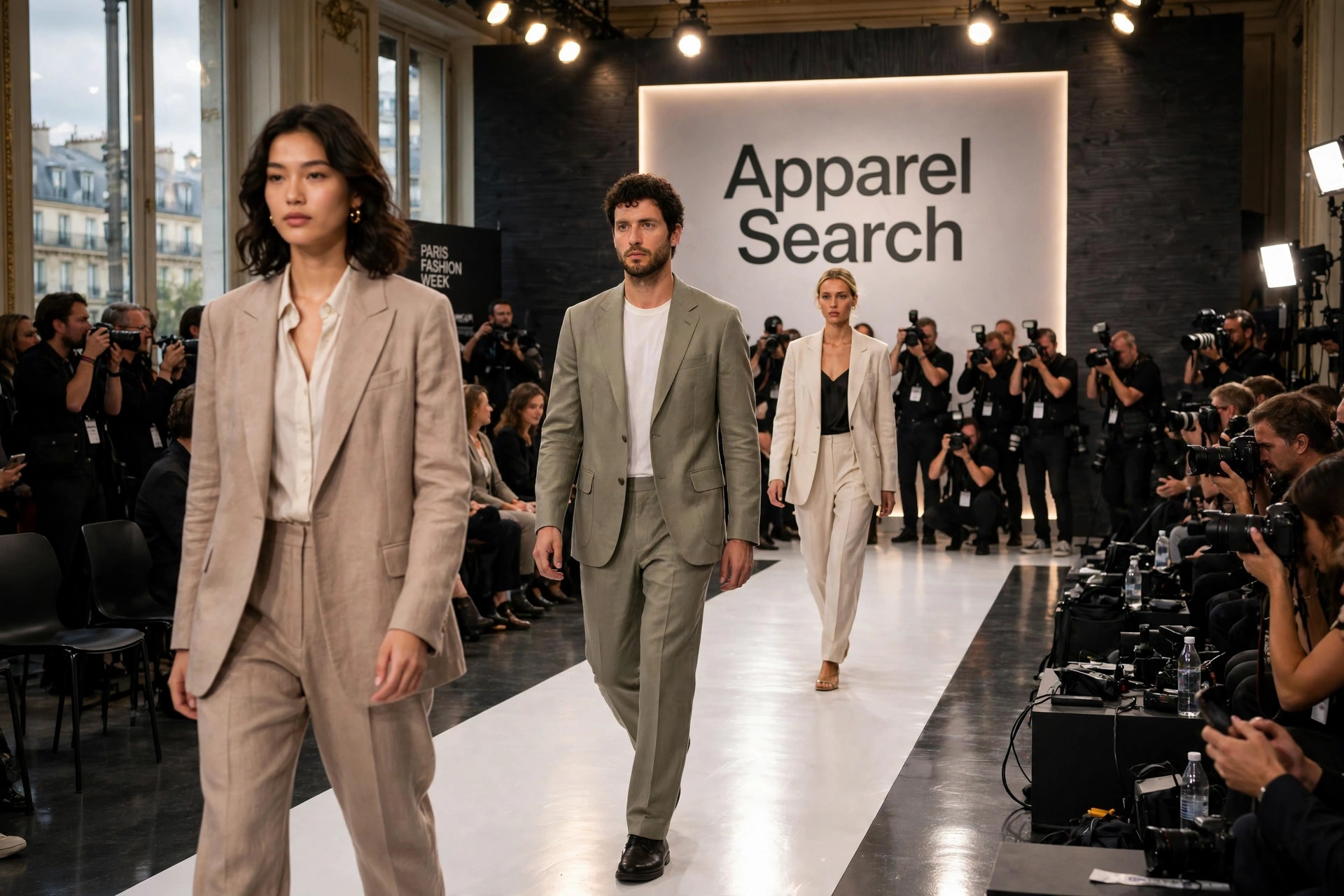
Illustrative image created for this guide — an artistic impression, not this designer's own garments.
News, Photos & VideoCollectionsFall FashionsFashion WeekNewsProfilesRunwaySpring Fashions
The Show as a Wardrobe Argument
A house with permanent signatures presents differently from a house chasing novelty. The Nino Cerruti show proposes the standard — the garments the designer is known for, in the season's handling — and then proves it across the whole wardrobe, exit by exit, so the photographs gathered in the Photos section read as chapters of one argument rather than a catalogue of separate pieces. The variation is in the proportions, the fabrics and the finishing; the argument does not change, because it rests on the designer's central conviction about how clothes should serve the person wearing them.
Runway photographs reward sequence for exactly that reason. A single image shows a famous shape; a full set shows the system beneath it — the tailoring and soft pieces answering each other, the accessories completing every look, the day clothes and evening clothes cut from the same idea. Video adds what stills cannot: the clothes at walking pace, which is where construction tells the truth — cloth that follows the stride instead of fighting it.
Reading the Runway Record
Filed show over show, the runway record becomes the most vivid part of the archive: dated, photographed, and inseparable from the biography on the profiles page — Nino Cerruti was born on September 25, 1930, in Biella, Piedmont, in Italy, into the family behind Lanificio Fratelli Cerruti, the woolen mill founded by his grandfather in 1881. He founded his own haute couture house, Cerruti, in 1967 in Paris, and managed the Italian family business alongside the Paris house. The young Giorgio Armani worked for him in the 1960s — an apprenticeship Cerruti was always proud to claim — and his softened tailoring dressed film stars on screen and off for decades. He died on January 15, 2022. The spring fashions page follows the runway's lighter strand and the fall fashions page its autumn weight; the news page gathers the reviews each showing receives.
For the calendar view of the same events, turn to the fashion week page in this series. The runway is where that calendar becomes visible — the standard, re-presented in Paris each season, in front of the photographers whose pictures fill the Photos section here.
Common Questions
What is the Nino Cerruti runway record known for?
Complete wardrobe statements built on permanent signatures: soft Italian tailoring — relaxed jackets, fine Biella woolens and menswear elegance eased into modern comfort — presented in sequence in Paris, season after season.
Where are the Nino Cerruti collections shown?
In Paris, on the calendar covered by the fashion week page in this series; this page follows the presentations themselves, look by look.
How is this runway page different from the collections page?
The collections page files the seasons as garments and themes. This page follows the shows: the order of looks, the signatures in motion, and what a presentation asks its audience to judge.
More to Explore
References & Further Reading
- Cerruti Runway
- Fashion Week Photos
- Nino Cerruti Runway Fashion Search
- Nino Cerruti Runway Fashion News
- Nino Cerruti Runway Fashion Photos
- Nino Cerruti Runway Fashion Videos
- Nino Cerruti Runway Fashion
- Nino Cerruti Runway Fashion News
- Nino Cerruti Runway Fashion Images
- Nino Cerruti Runway Fashion Video
- Fashion Models