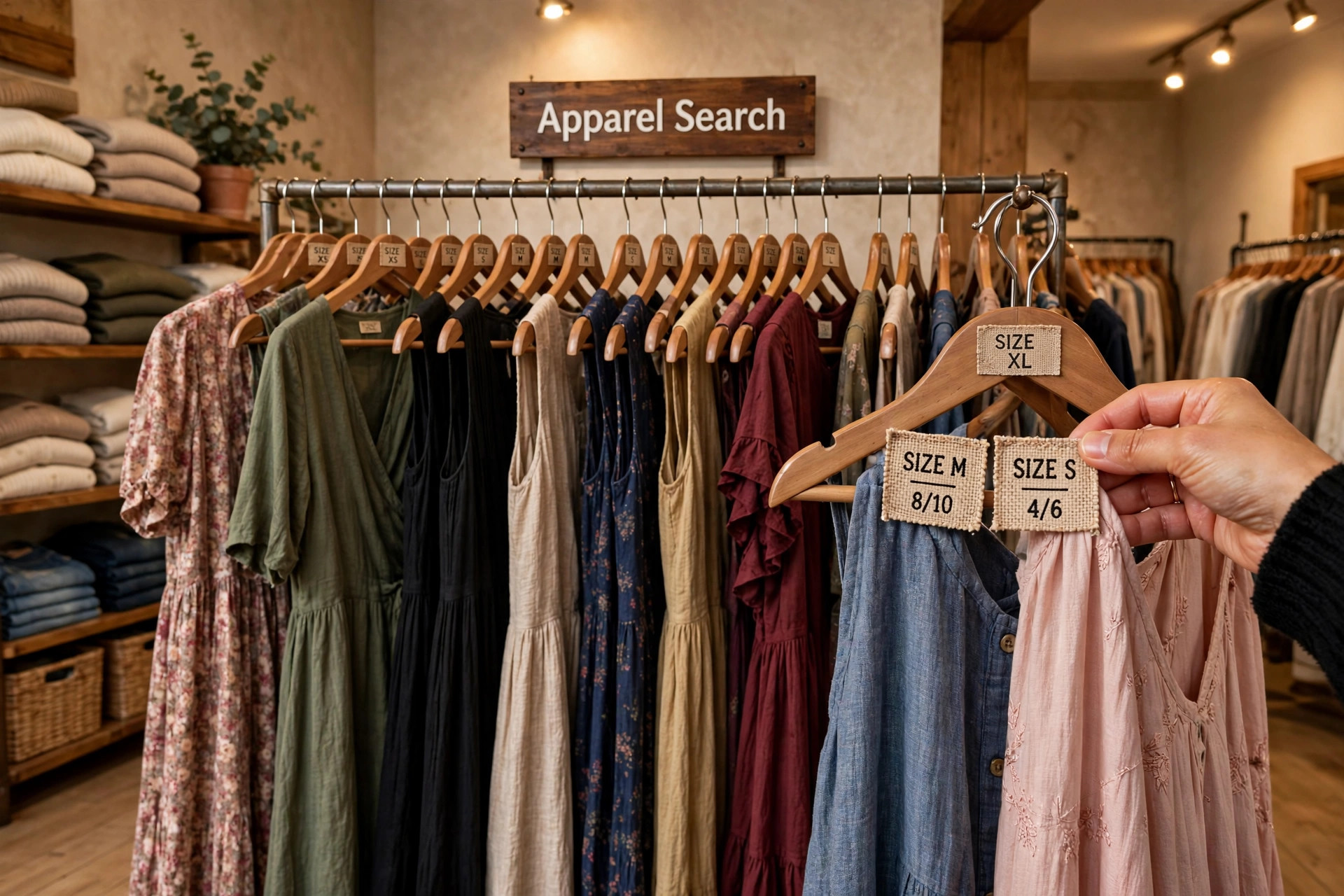
Vanity sizing is the slow relabelling of clothing so that a given body fits a smaller number than it used to. It is one thread of the larger story told in our Clothing Sizing & Fit Guide; our definitions section carries the short entry on vanity sizing, and this page gives the full account — how the drift happened, why it persists, and why the humble tape measure defeats it.
A Short History of Drifting Numbers
US women's sizing was not always free-form. In the middle of the twentieth century, measurement studies of American women — themselves built on limited samples — were turned into a voluntary commercial standard that tied size numbers to actual bust, waist and hip measurements. For a while, a size 12 meant a specific body. Two forces then dismantled that anchor. Populations changed: average bodies grew, so a size defined by fixed measurements would have pushed most customers into ever-larger numbers. And the standard itself lapsed — the ASTM table that carried it was withdrawn in the 1980s and never replaced by anything with authority. Into the vacuum stepped each brand's own scale.
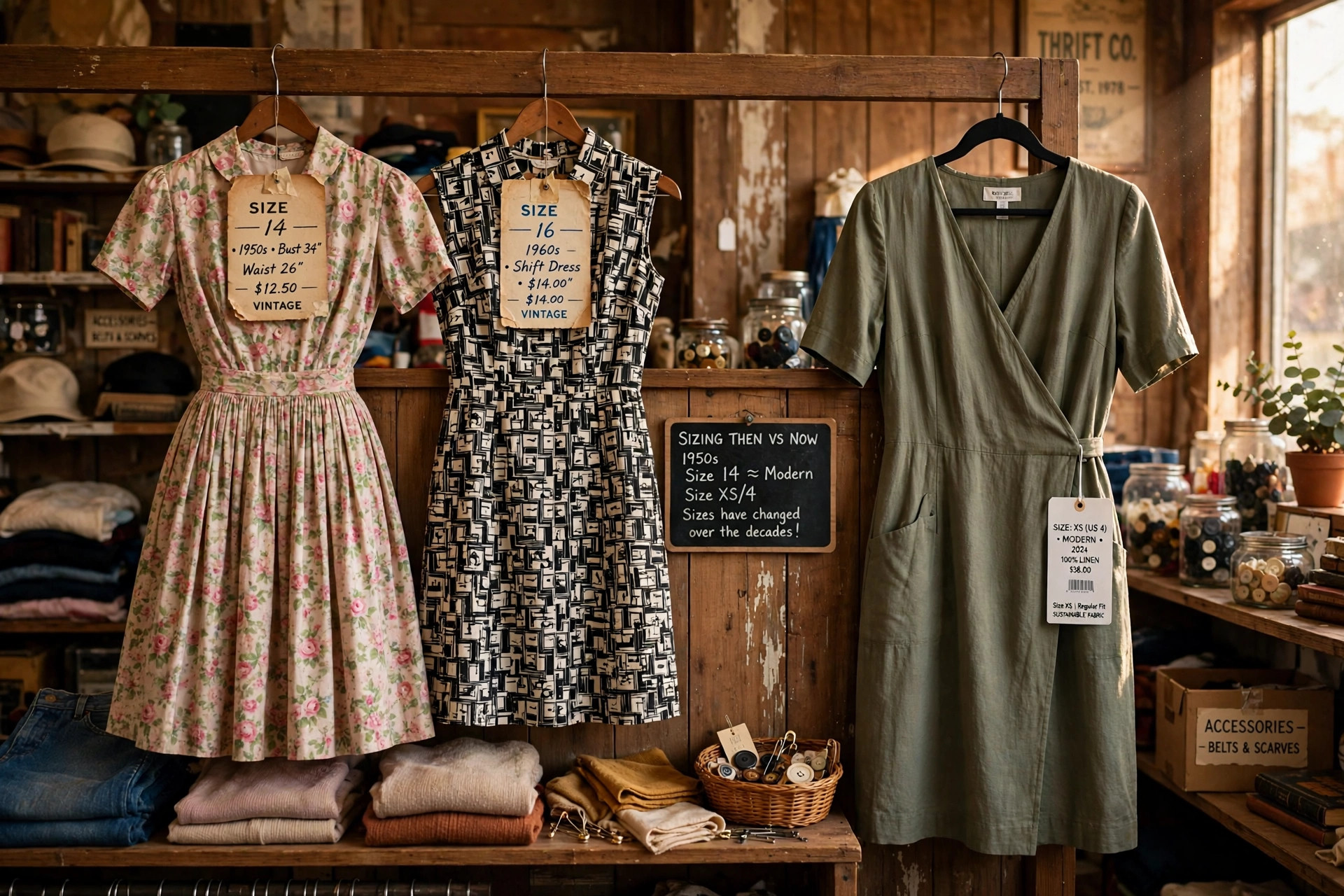
The famous illustration is the mid-century starlet said to have worn a size 12: by most accounts her recorded measurements would land her in a small single-digit size in a modern store. Nothing about her changed; the numbers moved around her. Each decade, brands nudged their scales so that the median customer kept meeting a flattering number in the fitting room, and sizes 0, 00 and beyond were invented at the bottom to keep the ladder's proportions plausible.
Why Brands Do It
Nobody ever returned a dress because the label made them feel good. That asymmetry — flattery is rewarded, honesty is punished — is the entire economics of vanity sizing.
The fitting room is an emotional place, and a smaller number is a small gift the brand can give at zero cost. Brands that unilaterally "correct" their sizing lose customers to competitors whose identical garment carries the kinder label, so no one moves first. The result is not a conspiracy but an equilibrium: everyone drifts, roughly together, and the drift compounds. Premium and designer brands, selling an exclusive fit image, often run leaner scales; mass brands chasing a broad, change-averse customer drift furthest. Neither is lying about the garment — only the label floats free of the measurements.
Denim shows the mechanism in its purest form, because jeans are sold by a number that sounds like a physical fact: the waist in inches. Yet measured waistbands of jeans labelled 32 not infrequently come out larger — the number has become a size name wearing a measurement's clothing. Our Denim Fabric Guide looks at denim from the cloth side; for fit, treat a jeans label as a suggestion and your own waist measurement as the fact.
Not Fraud — But Not Information Either
It helps to be precise about the complaint. Sizes were never a unit of measure, and brands are entitled to their own systems — the differences produced by body data, grading and ease would make brands differ even with perfect honesty. Vanity sizing is the additional, deliberate layer: choosing the label for its effect on the wearer rather than its correspondence to anything. The practical casualty is comparability. A shopper cannot carry a size between brands, decades or — with sizing systems around the world — countries, and vintage clothing becomes a trap for anyone who trusts the tag.
The defence is boring and total: measurements. Know your bust, waist, hip and inseam; use brands' body-measurement charts (and know how they are built, so you can tell a body chart from a garment chart); and let labels do the only job they are still good for — finding the right neighbourhood on the rail. The number in the neck is marketing. The tape measure is information.
Common Questions
- What is vanity sizing?
- Vanity sizing is the practice of labelling a garment with a smaller size number than its measurements would historically have earned, so the customer feels slimmer in the fitting room. Over decades it has shifted whole size scales: a waist that was a size 12 in the 1950s may be labelled 6 or 8 today, while the person wearing it has not changed at all.
- Why don't governments or standards bodies stop size labels drifting?
- Because in most markets dress sizes were never legally fixed. The historical standards that once anchored US women's sizing were voluntary, and the key one was withdrawn decades ago; nothing replaced it with enforcement. Brands may label as they please, so the label is marketing space as much as information — which is why measurements, not numbers, are the reliable guide.
- Is vanity sizing only a women's clothing issue?
- No. Men's clothing shows it too, most measurably in trousers sold by waist size: studies that measure the garments find actual waistbands frequently larger than the number on the label, sometimes by several centimetres. Waist-and-inseam labelling looks objective, but the numbers are applied by the same brands with the same incentives.
- How can I shop reliably when sizes keep changing?
- Ignore the label and carry your measurements: bust, waist, hip and inseam, taken once and kept on your phone. Compare them with the brand's body-measurement chart where one exists, and treat the label only as a starting guess. Within a brand you know, your size is fairly stable; across brands, measurements are the only common language.
More from the Sizing & Fit Guide
Back to the Clothing Sizing & Fit Guide Labels are one link in the chain from body data to size chart. See the whole system in the Sizing & Fit Guide hub.