Children's Girls Slippers Guide
Girls slippers bridge the gap between socks and shoes, giving feet warmth and a little protection on hard floors without the structure of outdoor footwear. Styles run from thin ballet-style house slippers to thick bootie designs with rubber soles, and the right choice depends mostly on floor surfaces at home, how cold the house runs, and whether the slippers will travel to sleepovers or grandparents houses. Households with stairs should treat grip as non-negotiable, because the combination of smooth steps, hurry, and socks-like soles is exactly where most indoor slips begin for children each winter.
Shop Children's Girls Slippers Now
Shop Children's Girls Slippers on Amazon Shop Children's Girls Slippers on eBayThe Amazon and eBay links on this page are affiliate links. If you make a purchase through them, Apparel Search may earn a commission.
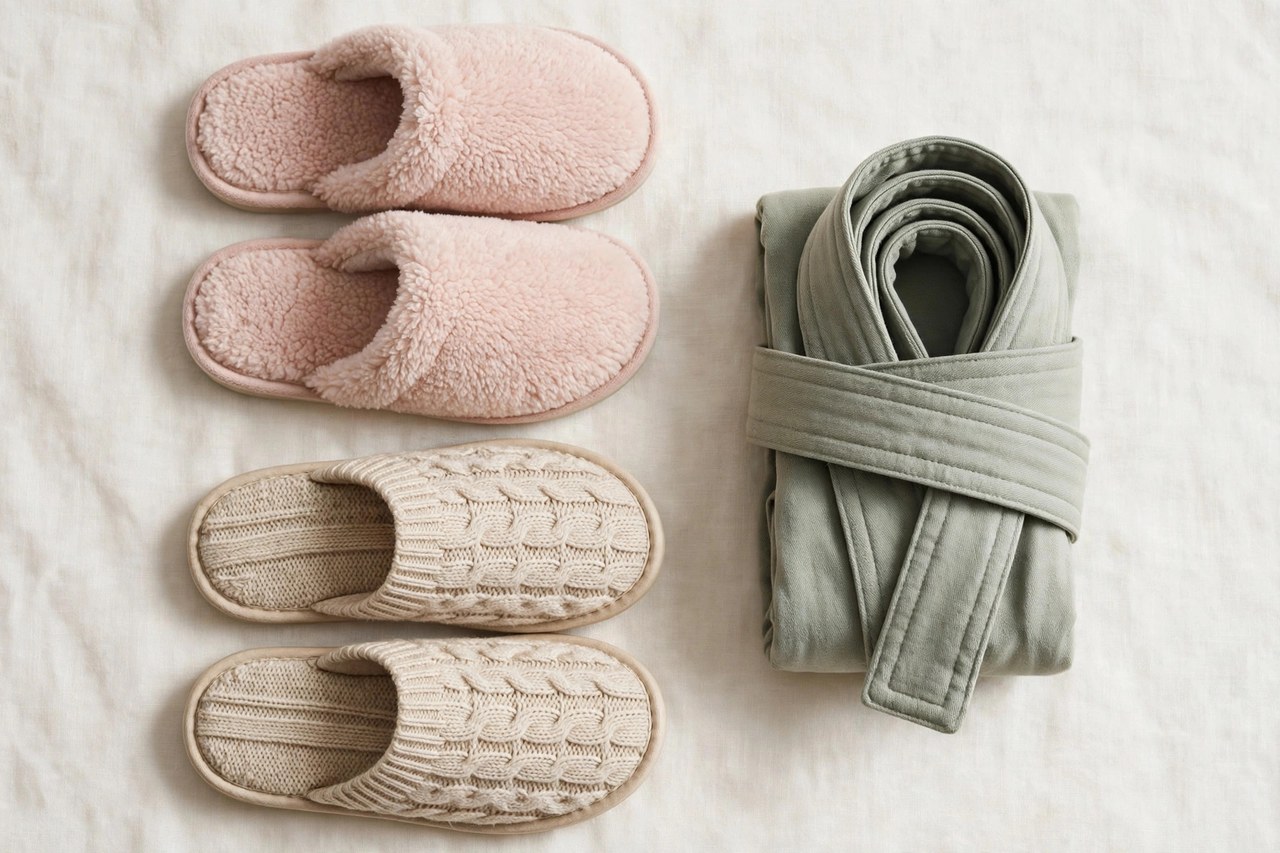
Girls slippers bridge the gap between socks and shoes, giving feet warmth and a little protection on hard floors without the structure of outdoor footwear. Styles run from thin ballet-style house slippers to thick bootie designs with rubber soles, and the right choice depends mostly on floor surfaces at home, how cold the house runs, and whether the slippers will travel to sleepovers or grandparents houses. Households with stairs should treat grip as non-negotiable, because the combination of smooth steps, hurry, and socks-like soles is exactly where most indoor slips begin for children each winter.
Bare feet and socks alone slide unpredictably on polished wood and tile, which is why a slipper with a textured sole earns its place even in a warm home. At the same time, an overly heavy slipper gets kicked off and abandoned. Aim for the lightest style that still grips the household floors and covers the foot as fully as the season requires. A dedicated pair kept at a frequently visited relatives home removes one bulky item from the overnight bag and guarantees a familiar fit when bedtime routines already feel different.
Styles for Floors, Mornings and Travel
Slip-on mules are the fastest style to step into for breakfast or letting the dog out, though open backs can slide off on stairs. Bootie slippers wrap the ankle in fleece or knit, staying secure during play and warming cold ankles in drafty rooms. Moccasin styles with stitched toes and suede or synthetic soles suit homes where slippers occasionally step onto a porch or garage floor. Animal designs with flat embroidered faces give younger girls the fun without the tripping bulk, a useful compromise when a character theme matters more than a three-dimensional plush head.
Novelty slippers shaped like animals or characters delight younger girls, but bulky heads and ears can catch on furniture and make walking clumsy. For travel, compressible knit slippers with thin gripper soles pack into a corner of an overnight bag and keep feet off unfamiliar floors. Ballet-style house shoes in soft fabric serve dancers and anyone who prefers a barely-there layer at home. Closed-back clog styles deserve a mention here too, since their raised heel cup keeps the foot seated while still allowing the quick step-in entry children prefer on busy mornings.
Soles, Warmth and Easy On-Off
Sole construction divides the category clearly. Soft fabric soles with silicone dots suit carpeted rooms and quiet upstairs floors, while molded rubber outsoles handle tile, wood, and brief outdoor steps without soaking through. Suede soles sit between those poles, gripping moderately and wearing smooth over time, so inspect them periodically for slick patches that reduce traction. Check that decorative stitching on the sole edge is tight, because loose threads there unravel quickly under the constant friction of walking across carpet and hard flooring all day.
Warmth comes from lining choices: fleece and faux shearling trap heat for winter, whereas cotton terry or unlined knit keeps summer slippers from feeling stifling. Elastic gores, pull tabs, and wide openings help younger girls dress without help. Avoid long decorative laces or dangling charms on slippers for small children, since loose pieces drag on floors and step on each other during normal walking. Memory-foam insoles feel luxurious at first step but compress permanently in high-use pairs, so expect that cushioned sensation to fade months before the rest of the slipper wears out.
Sizing and Care
Slipper sizing often uses ranges rather than single shoe sizes, so measure the foot and choose the range that leaves a small margin beyond the toes. A heel that lifts completely out with each step signals a size too large, and curled toes mean the opposite problem. Because slippers stretch with wear, a snug-but-comfortable first fit usually settles better than a loose one that will only grow sloppier. Between sizes, choose based on heel behavior rather than toe room alone, because a slightly long soft slipper is manageable while one that flips off on stairs is not safe.
Most fabric slippers tolerate machine washing on a gentle cycle, but rubber-soled styles last longer when washed cool and air dried away from radiators. Shake out crumbs and pet hair before washing, and check gripper dots afterward, since worn dots are the first sign a pair should retire. Keep a spare pair in the next size during growth spurts, because slippers are often forgotten until the old pair splits.
Common Questions
Which slipper sole suits hardwood floors?
Textured rubber or dotted gripper soles hold on polished wood far better than smooth fabric or worn suede.
Should slippers fit loose for comfort?
No: slippers stretch with wear, so start snug but comfortable rather than loose, or heels will slip out.
Can novelty slippers be everyday pairs?
Bulky character heads can catch and trip, so simpler bootie or moccasin styles usually work better daily.
More in Children's Clothes Guide G
The G letter hub and the guides closest to this one:
Looking for Children's Clothing Stores?
This guide helps you choose children's girls slippers. To browse where to buy, visit our children's clothing store directory, where you can find retailers that carry them.