Men's Batting Gloves Guide
Men's batting gloves are the thin leather gloves worn at the plate to protect the hands, kill vibration and keep a grip that sweat would otherwise loosen. They are a consumable piece of precision equipment: palms take the full shock of every swing, so the category is a study in leather quality, palm padding placed exactly where sting lives, and closures that keep the glove an extension of the hand rather than a loose covering.
Shop Men's Batting Gloves Now
Shop Men's Batting Gloves on Amazon Shop Men's Batting Gloves on eBayThe Amazon and eBay links on this page are affiliate links. If you make a purchase through them, Apparel Search may earn a commission.
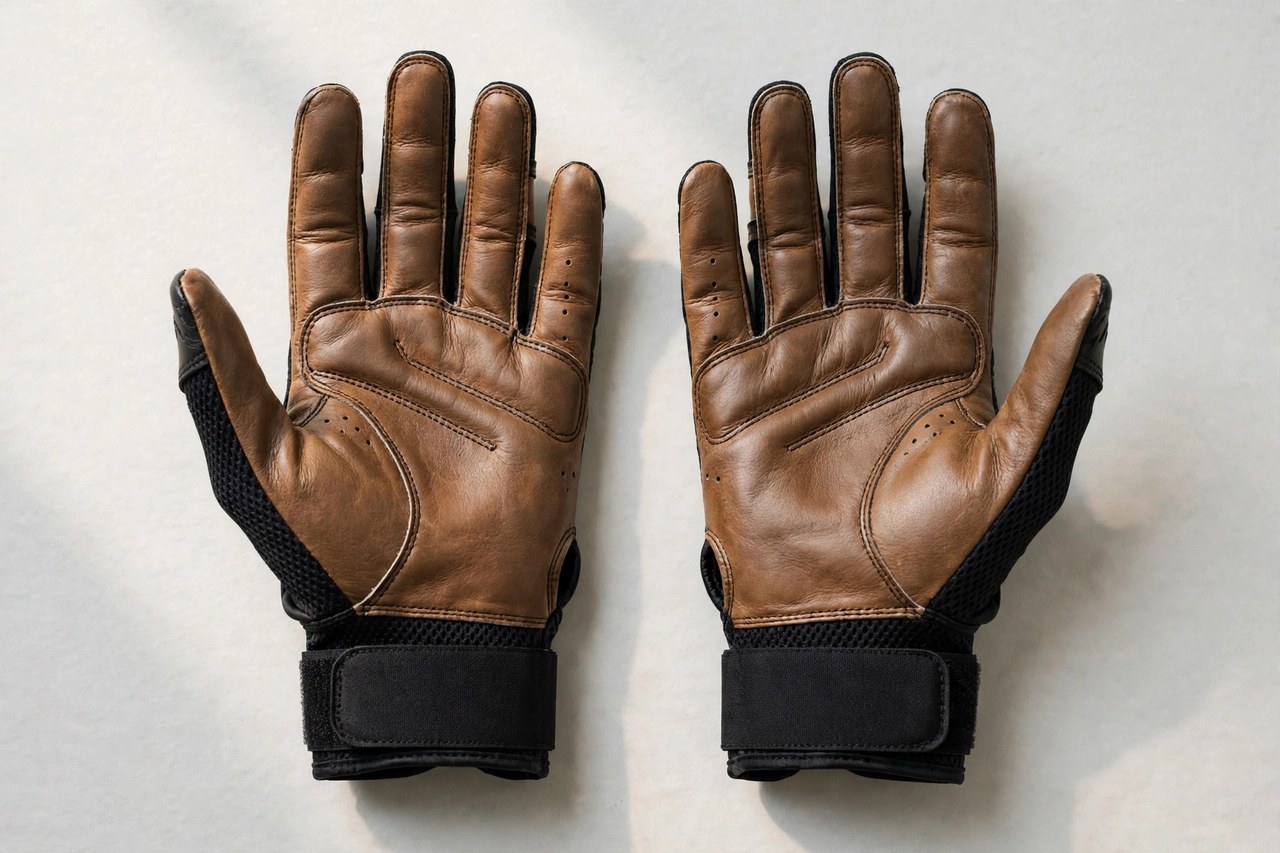
Men's batting gloves are the thin leather gloves worn at the plate to protect the hands, kill vibration and keep a grip that sweat would otherwise loosen. They are a consumable piece of precision equipment: palms take the full shock of every swing, so the category is a study in leather quality, palm padding placed exactly where sting lives, and closures that keep the glove an extension of the hand rather than a loose covering. This guide covers the styles worth knowing, the fit points that decide comfort, the fabrics and construction that separate a good buy from a regret, and the simple care that makes the garment last.
Styles and Construction
Palms are the decision. Cabretta and sheepskin leathers are the softest and tackiest, the professional choice, but wear fastest; goatskin and synthetic palms last longer at a small cost in feel. Padding concentrates at the heel of the hand and the base of the thumb, where bat sting lands on a cold or mishit swing. Backs mix leather with spandex or mesh panels that flex over the knuckles, and the wrist closure - usually an adjustable strap - tunes the fit through the season as leather relaxes.
With accessories, materials and hardware decide value far more than branding. Solid metal beats plated pot metal, full-grain material beats corrected or bonded substitutes, and stitching beats glue wherever the two compete. Check moving parts - clasps, hinges, buckles, zippers - through their full travel before buying, because an accessory is usually a mechanical object as much as a decorative one. Care is part of the purchase too: an accessory you can maintain with a cloth and conditioner will outlast a finer one that needs specialist attention you will never give it.
Fit and Sizing
Fit should be truly skin-tight without restricting a fist: fingers reaching the ends of their stalls, no webbing of loose leather between thumb and index, because any fold there becomes a blister at volume swings. Size down-borderline cases usually resolve to the smaller glove once leather warms and gives. Try gloves holding your own bat with your game grip - a glove that feels right empty can bunch in the overlap grip.
Accessories fit too, and their measurements are exact ones: belt size is measured to the middle hole of a belt you own, hat size is a head circumference, and a watch case should sit within the width of your wrist rather than beyond it. Where a maker publishes a size chart, measure yourself and use it rather than ordering your usual letter - accessory sizing varies more between brands than almost any other category, and returns on a two-inch error are entirely avoidable with ninety seconds and a tape measure.
Wearing and Care
Air batting gloves out after every session - they absorb more sweat per ounce than any other kit - and never leave them sealed in the bat bag. Brush dirt from the palms, treat leather occasionally with a light conditioner, and expect a season or less from a soft-leather pair at heavy use: when the palm polishes smooth and grip goes, replacement is a performance decision, not vanity.
Store accessories as deliberately as you bought them: belts rolled or hung by the buckle rather than folded, leather goods out of direct sun, metal kept dry and occasionally polished with the right cloth for its finish. Condition leather accessories a few times a year, keep them in breathable bags rather than plastic, and repair hardware early - a loose screw or tired spring bar is a small fix that becomes a lost item if ignored. Rotation helps here too: two everyday pieces worn alternately outlast one worn daily.
Common Questions
What leather is best for batting gloves?
Cabretta sheepskin is the softest, tackiest palm and the professional standard, at the price of the shortest wear life. Goatskin is slightly firmer and more durable, and synthetic palms last longest with the least natural tack. Frequent players often keep a durable practice pair and a soft-leather game pair.
How tight should batting gloves fit?
Skin-tight, with fingertips reaching the ends of the stalls and no loose fold between thumb and forefinger. Leather relaxes with warmth and use, so a glove that starts merely snug ends right, while one that starts comfortable ends sloppy - and sloppy gloves blister. Always test the fit with your actual grip on your actual bat.
Why do batting gloves wear out in the palm?
The palm absorbs the friction and shock of every swing, concentrated at the heel of the hand. Sweat accelerates the leather's breakdown. Airing gloves out after play, keeping a practice pair for cage volume, and replacing a pair when the palm goes smooth are the three honest answers - the wear is the job being done.
More in Men's Clothes Guide B
Batting Glove, Baseball Glove, Batting Mitt
A batting glove should not be mixed up with a baseball glove or mitt — the large leather glove worn by the defending team to assist in catching and fielding balls hit by a batter or thrown by a teammate — while a batting mitt is used by athletes to hit a ball with the bat. Batting gloves are a component of bat-and-ball games, worn by the side doing the hitting.
Looking for Men's Clothing Stores?
This guide explains men's batting gloves. To browse where to buy, visit our men's clothing store directory, where you can find retailers that carry them.