Men's Mukluks Guide
Mukluks are the soft, warm boots of the northern Indigenous peoples - knee-high or shorter boots traditionally made of reindeer, seal or caribou skin and moose hide, lined and trimmed with fur, and built for deep cold on snow rather than for pavement and rain. The style sits among the men's boots and footwear families, with the mukluk manufacturers and the mukluks definition linked below. This guide honors the design's origin - a boot engineered over centuries for the coldest inhabited places on earth - and explains what traditional and modern mukluks are, and where each belongs.
Shop Men's Mukluks Now
Shop Men's Mukluks on Amazon Shop Men's Mukluks on eBayThe Amazon and eBay links on this page are affiliate links. If you make a purchase through them, Apparel Search may earn a commission.
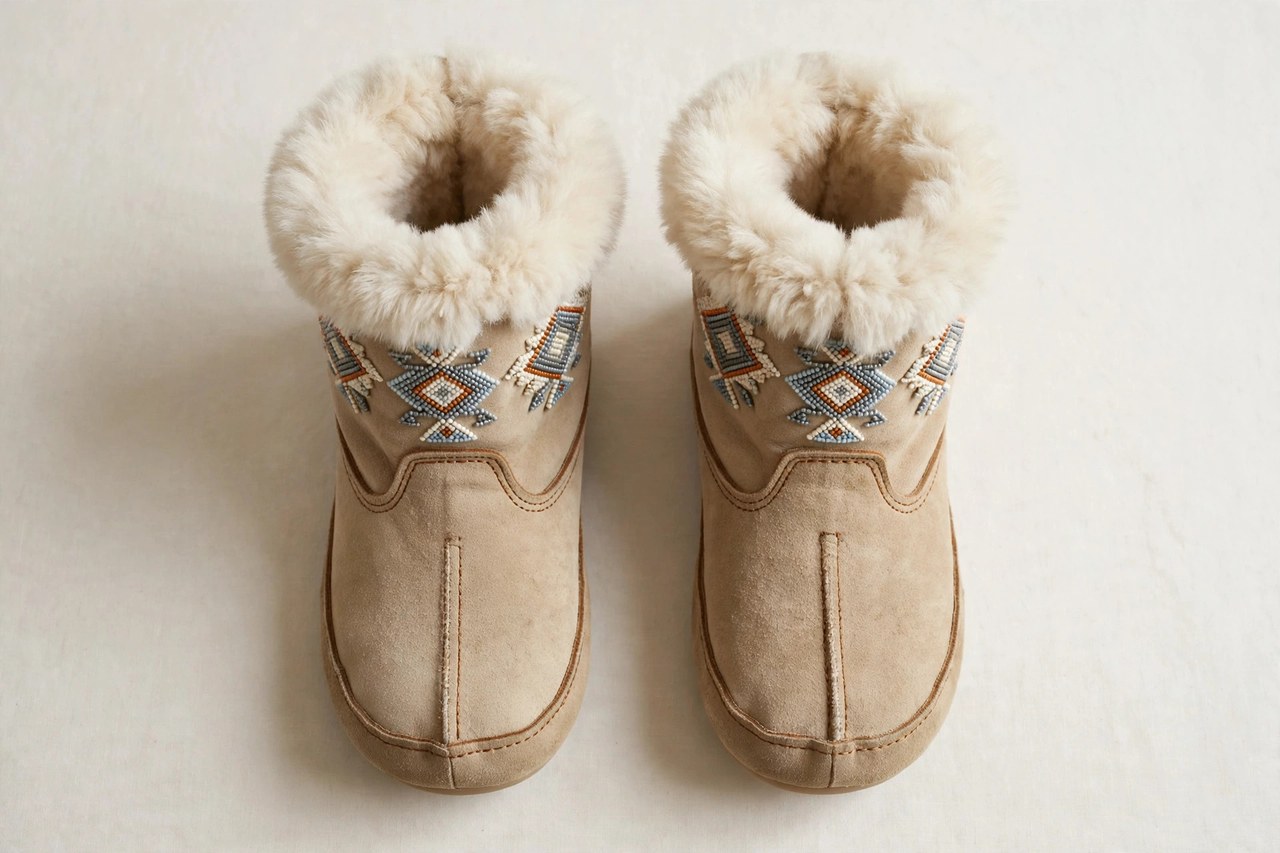
Mukluks are the soft, warm boots of the northern Indigenous peoples - knee-high or shorter boots traditionally made of reindeer, seal or caribou skin and moose hide, lined and trimmed with fur, and built for deep cold on snow rather than for pavement and rain. The style sits among the men's boots and footwear families, with the mukluk manufacturers and the mukluks definition linked below. This guide honors the design's origin - a boot engineered over centuries for the coldest inhabited places on earth - and explains what traditional and modern mukluks are, and where each belongs. This guide explains what to look for, how the sizing actually works, which fabrics and constructions earn their price, and how to care for the garment so it keeps doing its job season after season.
Hide, Fur and Dry Cold
The traditional construction is the technology: a soft hide upper that flexes with the foot instead of armoring it, a sole of hide - traditionally the tough, water-resistant skin of the bearded seal - that grips snow by texture rather than lugs, fur trim at the top that sheds frost and seals the leg, and room inside for layered socks and felt or fur insoles that do the insulating. There is no rigid shank and no waterproof membrane; the system works because snow in deep cold is dry, and because the materials breathe the foot's moisture outward instead of trapping it. Modern and commercial mukluks adapt the pattern with suede and leather uppers, rabbit or faux fur trim, crepe or rubber soles and decorative beadwork - warmer than fashion boots, more pavement-capable than the traditional article, and honest as long as they are not asked to be Arctic equipment.
Judge footwear by attachment and compound: cemented soles are light and affordable, stitched or welted constructions cost more and can be repaired, and the outsole rubber decides grip against longevity - soft compounds bite, hard compounds endure. Linings decide comfort over hours, removable insoles decide whether your own supports can come along, and honest weight decides whether the pair disappears on the foot or taxes every mile of the day.
Roomy by Design
Fit a mukluk roomy by design: the insulation is the air and the layers inside, so your foot plus its sock system should fill the boot without compression - a tight mukluk is a cold mukluk, the opposite of fashion-boot logic. The soft upper gives no ankle support to speak of, which is correct on snow and tiring on long hard-surface walks; size and choose by the surface you will actually cover. Traditional pairs are left and right only by wear - they mold to their feet - while modern versions come in conventional sizes; in either case, try them late in the day in the thickest socks of your system, and expect the hide to ease with the first wears.
Fit footwear late in the day in the socks you will actually wear, with roughly a thumb's width beyond the longest toe, the heel held without lift, and the foot's widest point meeting the shoe's widest point. Sizes are unstandardized between makers - trust your measured length and width over the printed number, and require no break-in argument: a shoe that needs excuses in the shop delivers them on the road.
Snow Boots, Not Rain Boots
Care follows the climate the boot was built for: mukluks are snow boots, not rain boots - wet city slush soaks hide and ruins the insulation logic, so keep them for cold, dry snow and let modern waterproof boots take the thaw. Brush snow off before it melts indoors, dry slowly at room temperature with paper inside, brush suede and hide gently, and keep fur trim clean and un-matted with a soft brush. Store stuffed to hold the soft shape, away from heat. Treated as the specialized instrument it is, a good pair of mukluks is the warmest footwear most men will ever own - and, respected for its limits, it will stay that way for many winters.
Rotation is the first care rule: a day of rest between wears lets linings dry and cushioning rebound, and it doubles a rotation's life compared with daily wear of one pair. Clean after use, dry at room temperature away from radiators, hold shape with trees or paper, and condition leather on a schedule rather than when it looks thirsty. Reproof weather finishes when water stops beading, and resole stitched footwear before the wear reaches the welt.
Common Questions
What are mukluks made of?
Traditionally, the hides and furs of the North: reindeer, caribou or moose hide and sealskin for the uppers, soles of tough bearded-seal skin, fur trim of fox, rabbit or wolf at the tops, and felt or fur insoles inside. The materials are the engineering - breathable, flexible in deep cold, and warm through layered air. Modern commercial mukluks use suede and leather, rabbit or faux fur, and crepe or rubber soles, adapting the pattern for ordinary winter wear.
Are mukluks good for everyday winter wear?
For cold, dry snow, they are superb - among the warmest boots made. For the full urban winter cycle of slush, salt and wet pavement, they are the wrong instrument: hide uppers soak, soft soles wear fast on concrete, and the design's breathability logic assumes dry cold. Wear mukluks in their weather and keep a waterproof modern boot for the thaw, and both pairs will last far longer for the division of labor.
Why do mukluks fit loose compared to other boots?
Because the warmth is the trapped air and the sock layers inside, and compression kills both. A mukluk is sized to house the foot plus its insulating system without squeezing it - the opposite of a fitted leather boot. They also give no real ankle support, being soft by design for snow travel. Try them in your thickest socks, expect the hide to mold with wear, and do not size down for a sleeker look.
More in Men's Clothes Guide M
Mukluks and Their Makers
The mukluks manufacturers still make the style; the mukluks definition sits in our footwear glossary, and the boot belongs among the men’s boots and footwear guides and the snow boots family, all linked below.
Looking for Men's Clothing Stores?
This guide explains men's mukluks. To browse where to buy, visit our men's clothing store directory, where you can find retailers that carry them.