Men's Running Shoes Guide
Men's running shoes are athletic shoes engineered for running: cushioned, flexible footwear built for the repeated impact of a gait in which all feet leave the ground in an aerial phase, unlike walking, where one foot always stays down. The category has a proud origin story: the British company J.W. Foster and Sons designed the first shoes made for running in 1895, spiked for traction and speed, and its handmade shoes carried Harold Abrahams and Eric Liddell to their 100m and 400m victories at the 1924 Olympics. Modern trainers - sneakers, runners, takkies - descend directly from those spikes.
Shop Men's Running Shoes Now
Shop Men's Running Shoes on Amazon Shop Men's Running Shoes on eBayThe Amazon and eBay links on this page are affiliate links. If you make a purchase through them, Apparel Search may earn a commission.
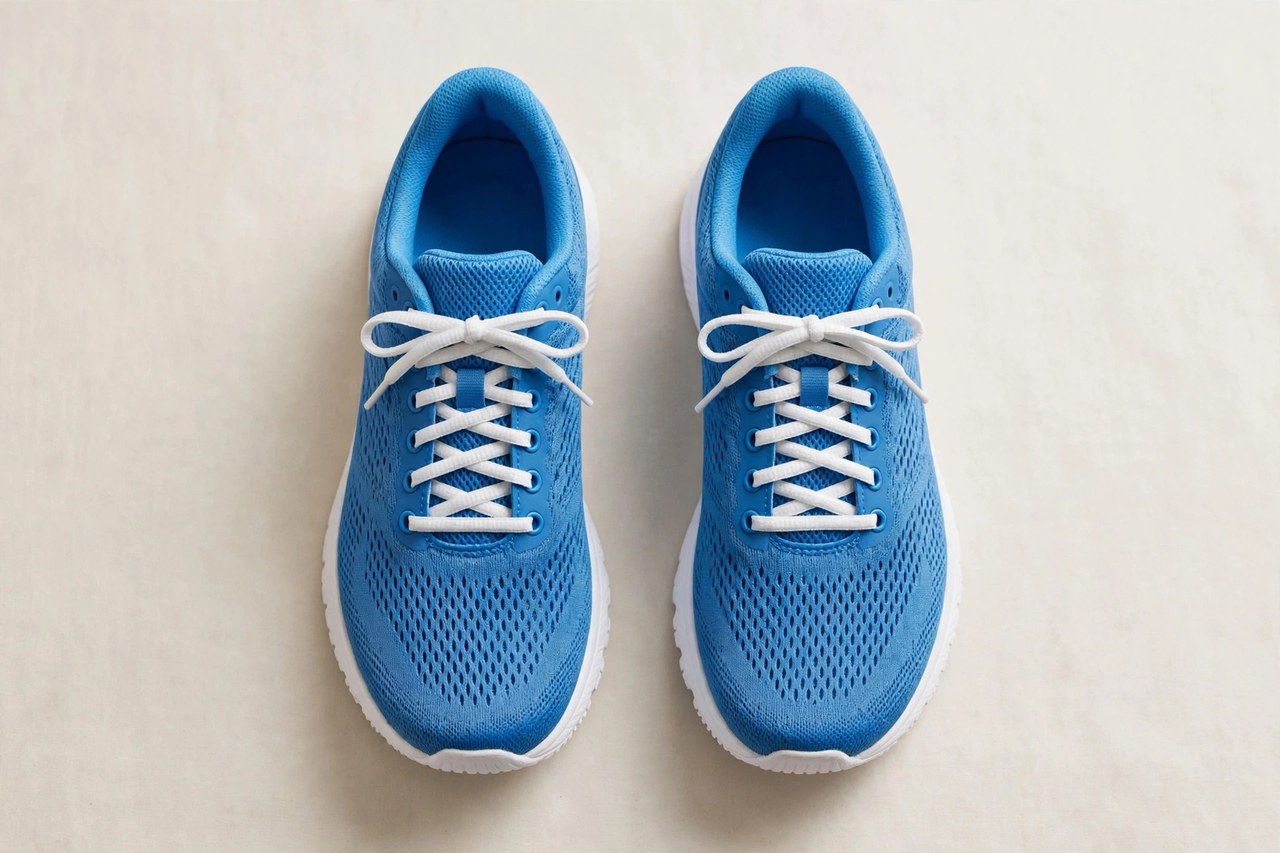
Men's running shoes are athletic shoes engineered for running: cushioned, flexible footwear built for the repeated impact of a gait in which all feet leave the ground in an aerial phase, unlike walking, where one foot always stays down. The category has a proud origin story: the British company J.W. Foster and Sons designed the first shoes made for running in 1895, spiked for traction and speed, and its handmade shoes carried Harold Abrahams and Eric Liddell to their 100m and 400m victories at the 1924 Olympics. Modern trainers - sneakers, runners, takkies - descend directly from those spikes. This guide covers the styles worth knowing, the fit points that decide comfort, the fabrics and construction that separate a good buy from a regret, and the simple care that makes the garment last.
Types and Technology: Cushion, Stability, Racing and Trail
Running shoes divide by job. Neutral cushioned trainers are the default for most runners; stability shoes add guidance for feet that roll inward excessively; motion-control models go further for severe overpronation; racing shoes and carbon-plated racers trade durability and cushion for lightness and energy return; trail shoes add lugged, grippier outsoles and tougher uppers. The engineering that matters: a breathable engineered-mesh upper, a foam midsole (today's super-foams genuinely return energy), a heel-to-toe drop that matches your stride habit, and an outsole with rubber where your strike pattern lands. Judge a shoe on a run, not a carpet: most specialty stores let you jog in them, and the right shoe disappears on the foot - no hot spots, no heel slip, no toes meeting the front on downhills.
Judge footwear by attachment and compound: cemented soles are light and affordable, stitched or welted constructions cost more and can be repaired, and the outsole rubber decides grip against longevity - soft compounds bite, hard compounds endure. Linings decide comfort over hours, removable insoles decide whether your own supports can come along, and honest weight decides whether the pair disappears on the foot or taxes every mile of the day.
Fit and Sizing
Fit running shoes late in the day, in your running socks, with a thumb's width - roughly a centimeter to a centimeter and a half - beyond the longest toe, because feet swell and lengthen over miles. The heel should hold with minimal lift, the midfoot should feel secure without numbness, and the toe box must let toes splay at push-off. Sizes vary more between running brands than in any other footwear category, so shop by measured length and the shoe's last, not your habitual number, and replace shoes by mileage (roughly 300-500 miles for most trainers) rather than waiting for visible failure - midsoles die before uppers do.
Fit footwear late in the day in the socks you will actually wear, with roughly a thumb's width beyond the longest toe, the heel held without lift, and the foot's widest point meeting the shoe's widest point. Sizes are unstandardized between makers - trust your measured length and width over the printed number, and require no break-in argument: a shoe that needs excuses in the shop delivers them on the road.
Wearing and Care
Rotate two pairs if you run daily: a rest day lets midsole foam rebound and linings dry, and extends both pairs' useful life. Clean by hand with mild soap, never machine-wash or tumble-dry (heat kills foam and glue), air-dry away from radiators, and remove insoles to dry after wet runs. Track mileage honestly - when easy runs start leaving your legs unusually beaten up, the foam has gone, however new the shoes still look.
Rotation is the first care rule: a day of rest between wears lets linings dry and cushioning rebound, and it doubles a rotation's life compared with daily wear of one pair. Clean after use, dry at room temperature away from radiators, hold shape with trees or paper, and condition leather on a schedule rather than when it looks thirsty. Reproof weather finishes when water stops beading, and resole stitched footwear before the wear reaches the welt.
Common Questions
How long do men's running shoes last?
Roughly 300 to 500 miles for most cushioned trainers - less for lightweight racing shoes, sometimes more for durable daily trainers. The midsole foam compresses permanently long before the upper or outsole looks worn, which is why mileage, not appearance, is the replacement measure: rising aches on easy runs are the classic sign the foam has died.
What is heel-to-toe drop, and does it matter?
Drop is the height difference between heel and forefoot in the shoe - traditional trainers sit around 10-12mm, many modern shoes at 4-8mm, racers varying widely. Higher drops load the knees less and the calves and Achilles more; lower drops reverse that emphasis. It matters most when you change: transition gradually between very different drops rather than switching overnight, and let comfort on real runs, not theory, pick your number.
How much room should running shoes have?
About a thumb's width beyond your longest toe, fitted late in the day in running socks. Feet swell and lengthen during a run, and toes that kiss the front of the shoe on mile one will be bruised by mile ten - black toenails are a sizing report, not a badge of effort. The heel should still hold securely; length in front and lock at the back are both required, and good running shops fit for exactly that combination.
More in Men's Clothes Guide R
Foster’s Spikes and the Birth of the Running Shoe
Running is a method of terrestrial locomotion allowing humans and other animals to move rapidly on foot, a gait characterized by an aerial phase in which all feet are above the ground — in contrast to walking, where one foot is always in contact with the ground. Sneakers (also known as athletic shoes, tennis shoes, runners, takkies, or trainers) are shoes primarily designed for sports or other forms of physical exercise, and the British company J.W. Foster and Sons designed and produced the first shoes designed for running in 1895; the shoes were spiked to allow for greater traction and speed. The company sold its high-quality handmade running shoes to athletes around the world, eventually receiving the contract for the British team at the 1924 Summer Olympics — Harold Abrahams and Eric Liddell won the 100-metre and 400-metre events kitted out with Foster’s running gear.
More to Explore on Apparel Search
Looking for Men's Clothing Stores?
This guide explains men's running shoes. To browse where to buy, visit our men's clothing store directory, where you can find retailers that carry them.