Men's Slacks Guide
Men's slacks are dress trousers - the tailored leg garment in smooth cloth (wool, wool blends, fine cotton or synthetics) worn with shirts, sport coats and blazers wherever jeans and chinos fall short. The word 'slacks' began as the relaxed alternative to the full suit trouser, and it keeps that register today: a proper trouser with a crease, a proper waistband and fly, but sold and worn as a separate, to be combined rather than matched.
Shop Men's Slacks Now
Shop Men's Slacks on Amazon Shop Men's Slacks on eBayThe Amazon and eBay links on this page are affiliate links. If you make a purchase through them, Apparel Search may earn a commission.
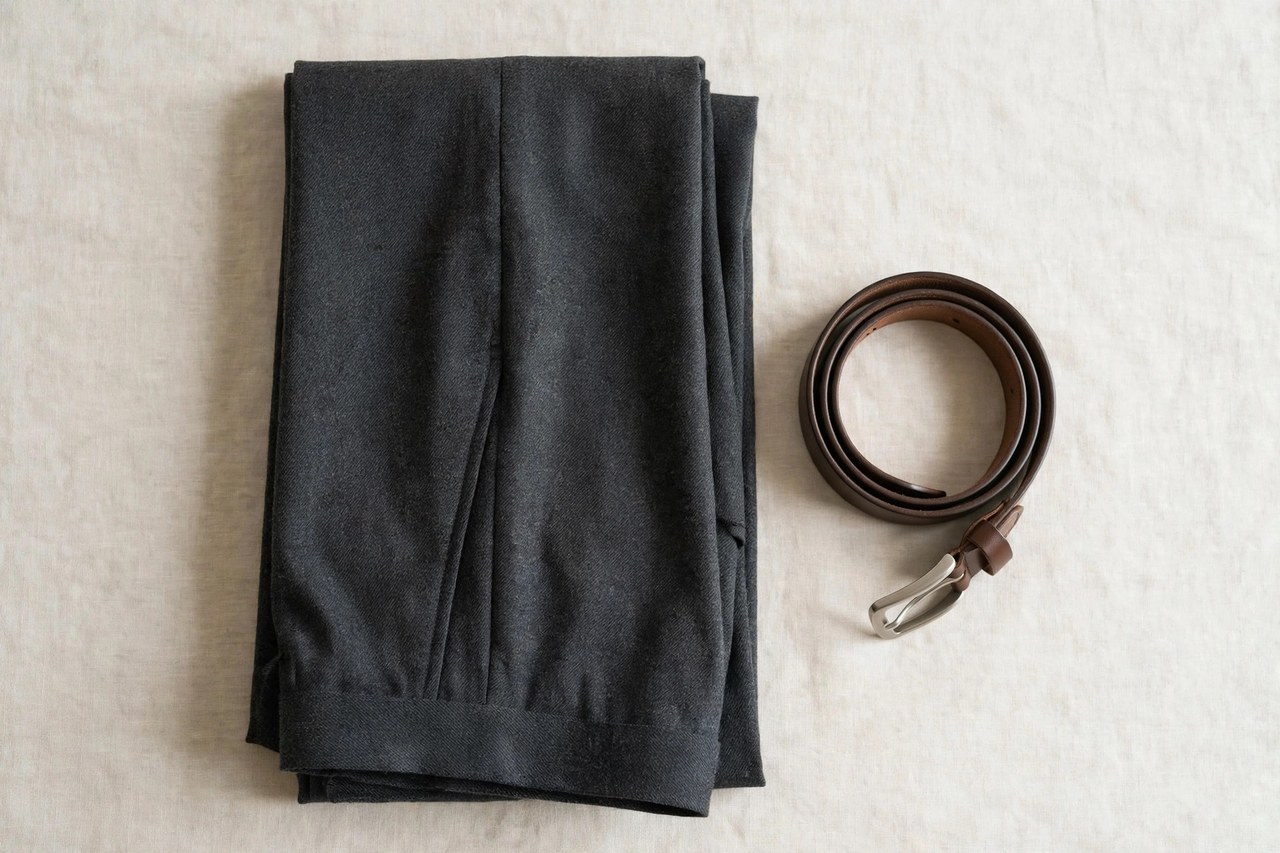
Men's slacks are dress trousers - the tailored leg garment in smooth cloth (wool, wool blends, fine cotton or synthetics) worn with shirts, sport coats and blazers wherever jeans and chinos fall short. The word 'slacks' began as the relaxed alternative to the full suit trouser, and it keeps that register today: a proper trouser with a crease, a proper waistband and fly, but sold and worn as a separate, to be combined rather than matched. This guide covers the styles worth knowing, the fit points that decide comfort, the fabrics and construction that separate a good buy from a regret, and the simple care that makes the garment last.
Cloths, Cuts and the Tailoring Checklist
Slacks divide by cloth and cut. Wool and wool-blend slacks carry the dressiest line - flannel for winter's softness, tropical and high-twist wools for summer's cool crease - while cotton and cotton-blend slacks (gabardine, sateen) sit a step down toward business casual. The construction checklist is tailoring's: a curtain waistband that sits clean, a fly and closure that lie flat, pockets cut on the dress pattern, and cloth with enough body to hold a crease through a seated day. Pleats serve men who sit long hours and carry pockets full; flat fronts serve the cleaner modern line. Cuffs (turn-ups) add weight and formality to the hem; plain hems keep the line long and simple.
For any leg garment the rise is the first specification, because it decides sitting comfort before fabric gets a vote: measure from front waistband through to back and compare it with a pair that already works. Then audit the stress points - bar-tacked belt loops and pocket corners, double-stitched inseams, hems finished evenly - and the pocketing, which should be deep, smooth and strong enough to carry what the garment's pockets invite you to carry.
Fit and Sizing
Fit slacks by waist, seat and break in that order. The waistband sits at the natural waist with a finger's ease and no belt heroics required. The seat should be smooth standing and forgiving sitting - slacks are judged in chairs. The break decides the silhouette: a slight or half break over the shoe is the contemporary mark, no-break the sharp modern option, and pooling cloth the universal error. Inseam and rise are a tailor's easy adjustments; waist and seat are not, so buy for the seat and let the rest be finished.
Measure where the waistband will actually sit, plus inseam to your preferred break, and thigh and seat for closer cuts. Then sit, squat and climb a step in the fitting room - a leg garment that only works standing still does not work. Waistbands relax roughly half an inch in wear and inseams shrink most in early washes, so buy the fit you want after those changes rather than the fit in the mirror.
Wearing and Care
Slacks repay a trouser discipline: hang them by the waistband or over a bar at the crease, rest them a day between wears, brush after use, and dry-clean sparingly - pressing refreshes a slack more kindly than cleaning, and most wool slacks need cleaning a few times a season, not a month. Cotton slacks launder cool and press along the crease. Rotate three pairs through a working week and the creases - and the cloth - will hold their line for years.
Wash leg garments inside out and cool; heat is the agent that fades dye, tires elastic and shortens inseams. Dry low or on the line, hang or fold promptly, and crease deliberately or not at all. Walk the stress points each season - hem edges, pocket corners, seat and inner thigh - and mend the small fray while it is still small: leg garments fail gradually, then suddenly, and the two-minute October repair prevents the November replacement.
Common Questions
What is the difference between slacks, trousers and pants?
Trousers and pants are the general garment; slacks are the dress end of it - tailored construction, smoother and finer cloth, a crease, and an intention to combine with sport coats, blazers and dress shirts. Chinos are cotton trousers a step more casual; suit trousers are slacks' matched cousins. In American usage 'slacks' signals the separate dress trouser specifically, and that is how this guide and the retailers use it.
Pleated or flat-front slacks?
Flat front is the modern default: a clean line that suits most builds and most offices. Pleats earn their place functionally - for men who sit all day, carry pocket loads, or have athletic thighs in tailored cloth, the pleat is working ease and a classic proportion, especially with a cuff. The rule is honesty about your day and your build, not fashion's rotation.
How often should slacks be dry-cleaned?
Far less often than they are worn. Hanging, resting and brushing handle most maintenance; pressing restores the crease; spot-cleaning handles accidents. Reserve dry cleaning for real soiling or a few times a season - each cleaning strips a little life from wool. Cotton and blend slacks mostly skip the cleaner entirely: cool washing and a proper press are their whole regimen.
More in Men's Clothes Guide S
Slacks Are Dressy Pants
Trousers - pants in North America - are worn from the waist to the ankles, covering both legs separately; in North America and Australia, trousers (sometimes slacks in Australia and the United States) often refers more specifically to tailored garments with a waistband, belt loops and a fly front, so informal elastic-waist knitted garments are pants but not trousers or slacks. Slacks are basically a more dressy type of pant, generally worn for business or semi-formal occasions - proper for a dinner out to a fancy restaurant. See also the types of slacks page in our terminology section.
Looking for Men's Clothing Stores?
This guide explains men's slacks. To browse where to buy, visit our men's clothing store directory, where you can find retailers that carry them.