Men's Sports Apparel Guide
Men's sports apparel is the clothing engineered for athletic activity itself: the training shirts, shorts, compression pieces, warm-ups and sport-specific garments whose fabrics manage sweat, whose cuts follow a moving body, and whose construction survives the wash-load rhythm of an active life. This guide covers the system as a whole - the general training wardrobe - while its siblings take the pieces one at a time: jerseys, sports shirts and the broader sportswear category each get their own page in this letter.
Shop Men's Sports Apparel Now
Shop Men's Sports Apparel on Amazon Shop Men's Sports Apparel on eBayThe Amazon and eBay links on this page are affiliate links. If you make a purchase through them, Apparel Search may earn a commission.
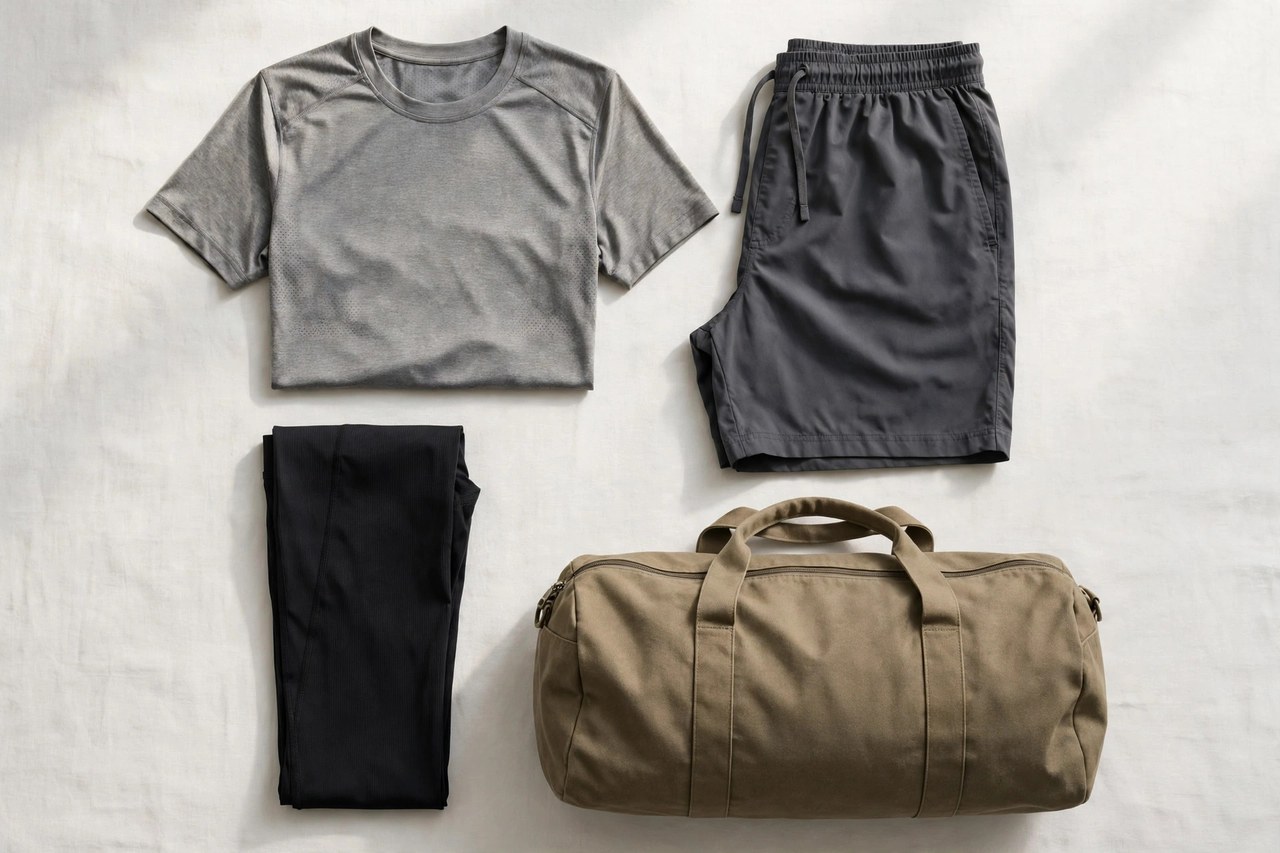
Men's sports apparel is the clothing engineered for athletic activity itself: the training shirts, shorts, compression pieces, warm-ups and sport-specific garments whose fabrics manage sweat, whose cuts follow a moving body, and whose construction survives the wash-load rhythm of an active life. This guide covers the system as a whole - the general training wardrobe - while its siblings take the pieces one at a time: jerseys, sports shirts and the broader sportswear category each get their own page in this letter. This guide is built around the questions buyers actually ask: which style, which size, which fabric, and what will it look like after a year of real use - answered in order, with the trade-offs stated plainly.
The System: Moisture, Movement and Compression
The system's physics is moisture and movement. Modern sports apparel is overwhelmingly synthetic - polyester and nylon knits with elastane - because synthetics move sweat to the surface to evaporate, dry between sessions, and hold their cut under strain; engineered mesh zones vent the body's hot spots, and flatlock seams remove the ridge that chafes at mile six. Compression garments add graduated pressure claimed to support muscles and speed recovery - the honest reading is that they feel supportive, manage vibration and stay put, which is reason enough for many athletes. Cotton, the old training default, is the system's known failure: it drinks sweat, weighs it, chafes with it and chills in it.
The durable buying order is job, specification, budget - in that sequence. Decide what the garment must do, translate that into fiber, weight, construction and size numbers, and only then shop price. Read labels as specifications, inspect the garment inside out where finishing is unposed, and prefer the maker who publishes measurements to the one who publishes adjectives. A garment that matches your measurements, climate and laundry will be worn; one that misses any of the three becomes expensive storage.
Fit and Sizing
Sports apparel fits by discipline and by honesty about intensity. Training pieces should allow the full range of the movement they serve - a squat, a reach, a sprint - without excess cloth that catches, flaps or overheats. Aerobic pieces run closer; lifting and court pieces run freer; compression runs exactly as sized, since its function is its fit. Try garments in the movement, not the mirror: if a shop changing room allows one lunge and one overhead reach, it allows the truth about a training shirt.
Measure yourself once a year and keep the numbers - chest, waist, inseam, foot, head - because bodies drift gradually while size habits never do. Shop from measurements, try garments under real conditions (over layers, in your own shoes, late in the day for footwear), and be honest about alterations: lengths and small waist changes tailor beautifully; shoulders, rises and patterns are the garment you bought forever.
Wearing and Care
Wash sports apparel cool, inside out, without fabric softener - softener coats the very fibers whose wicking you paid for - and hang or tumble low. The notorious synthetic gym smell is bacterial residence in the knit; a sports detergent or a vinegar pre-soak evicts it where regular washing merely perfumes it. Rotate pieces between sessions so each fully dries, and retire compression when the squeeze is gone: a compression garment that no longer compresses is just a tight shirt with a past.
Five minutes when a garment comes off - shake it out, hang or fold it correctly, note the stain and the loose button - prevents most of the damage later blamed on quality. Keep a small kit where the clothes live: brush, lint roller, conditioner suited to your leathers, black, navy and grey thread. Clothing rarely dies at once; it fades by small neglects, and small attentions reverse the process at the same pace.
Common Questions
What is the difference between sports apparel and sportswear?
Function versus fashion lineage. Sports apparel is engineered to be played in - wicking synthetics, movement cuts, sport-specific construction. Sportswear began as the American term for casual clothes with sporting roots, and today names the fashion category built on athletic style. The same hoodie shape exists in both worlds; the fiber label tells you which one you are holding. Train in apparel; the sportswear guide covers the wearing of the look.
Is compression apparel worth it?
For fit and feel, often; for miracles, no. Compression garments stay in place, reduce fabric movement and chafe, support muscles against vibration and feel - to many athletes - like readiness itself. Recovery claims outrun the evidence, but comfort across a long session is a real performance variable. Buy compression for how it performs during, in your exact size, and treat any next-day benefit as a bonus.
Why does my gym clothing smell even after washing?
Synthetic knits hold body oils in their structure, and bacteria move into the residence. Standard detergent at cool temperatures perfumes rather than evicts. The working remedies: wash promptly rather than letting pieces ripen in a bag, use a sports-specific detergent or a white-vinegar pre-soak, wash inside out, and dry fully. A garment that has absorbed months of neglect may never fully clear - prevention is the real product.
More in Men's Clothes Guide S
The Market and the Meaning
Sports apparel is for the most part clothing, footwear and accessories worn for sport or physical exercise, sport-specific clothing being worn for most sports and physical exercise for practical, comfort or safety reasons - a category also referenced as sportswear or activewear. The global sports apparel market has been expanding over the years; this is an important category in the men’s apparel market, and Nike, Adidas, Puma, Under Armour, Asics and Reebok are some of the key players, with brand recognition an important factor for many consumers as a signal of quality and reliability. Related terminology: what is sports apparel, moisture-wicking, compression clothing.
Looking for Men's Clothing Stores?
This guide explains men's sports apparel. To browse where to buy, visit our men's clothing store directory, where you can find retailers that carry them.