Men's Thermal Underwear Guide
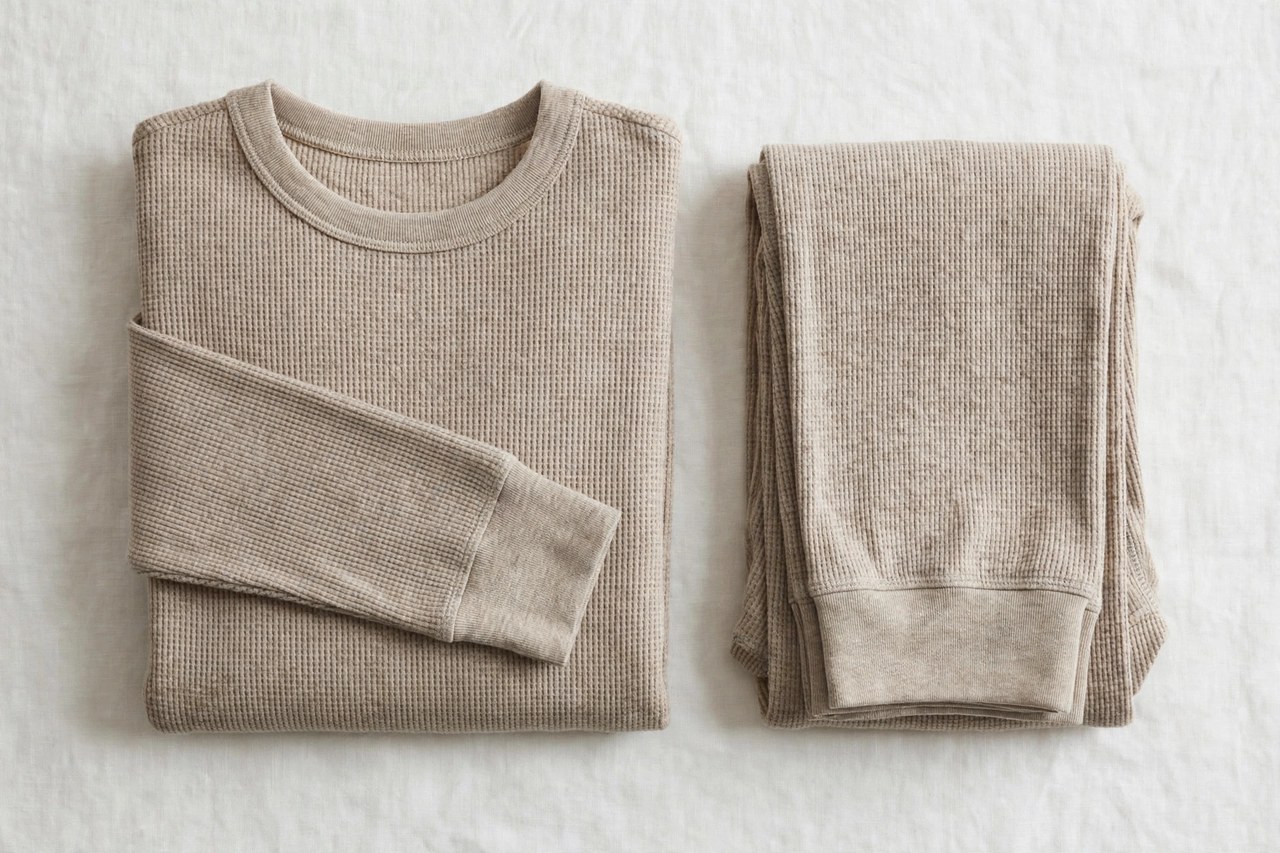
Men's thermal underwear - long johns in older language - is the base layer worn next to the skin to manage heat and moisture in cold weather: fitted tops and bottoms in insulating, wicking fabrics that trap warm air while moving sweat away before it can chill the wearer. This is a strictly product-focused guide to weights, fibers and fit, because a base layer is a technical garment whose performance is decided entirely by material and closeness of fit.
Shop Men's Thermal Underwear Now
Shop Men's Thermal Underwear on Amazon Shop Men's Thermal Underwear on eBayThe Amazon and eBay links on this page are affiliate links. If you make a purchase through them, Apparel Search may earn a commission.
Men's thermal underwear - long johns in older language - is the base layer worn next to the skin to manage heat and moisture in cold weather: fitted tops and bottoms in insulating, wicking fabrics that trap warm air while moving sweat away before it can chill the wearer. This is a strictly product-focused guide to weights, fibers and fit, because a base layer is a technical garment whose performance is decided entirely by material and closeness of fit. This guide is built around the questions buyers actually ask: which style, which size, which fabric, and what will it look like after a year of real use - answered in order, with the trade-offs stated plainly.
Styles and Construction
Fibers divide by job. Merino wool regulates temperature across the widest range, resists odor for days and insulates when damp, at the highest price and with gentler care. Synthetics (polyester, polypropylene, nylon blends) wick fastest, dry quickest and cost least, but hold odor sooner. Silk is the lightest natural option for mild cold and travel. Weight follows the same logic as insulation: lightweight (around 150 gsm) for active use and mild cold, midweight (200-250) as the all-round winter standard, and expedition weights for static cold. Waffle and grid knits trap air in pockets - the original 'thermal' texture - while flat knits slide better under layers. Bottoms add a functional fly or a smooth front; tops come crew or zip-neck, the zip being genuine ventilation on climbs and work sites.
The durable buying order is job, specification, budget - in that sequence. Decide what the garment must do, translate that into fiber, weight, construction and size numbers, and only then shop price. Read labels as specifications, inspect the garment inside out where finishing is unposed, and prefer the maker who publishes measurements to the one who publishes adjectives. A garment that matches your measurements, climate and laundry will be worn; one that misses any of the three becomes expensive storage.
Fit and Sizing
A base layer only works in contact: it should fit close over the whole torso and legs without compressing, because air gaps are where sweat pools and chills. Sleeves should reach the wrist bone and bottoms the ankle, with no bunching at joints. Size by chest and waist measurements, and if you are between sizes for an active use, take the closer fit; for sleeping or static cold, the easier fit is more comfortable. Flatlock seams are worth seeking - raised seams chafe under pack straps and seatbelts.
Measure yourself once a year and keep the numbers - chest, waist, inseam, foot, head - because bodies drift gradually while size habits never do. Shop from measurements, try garments under real conditions (over layers, in your own shoes, late in the day for footwear), and be honest about alterations: lengths and small waist changes tailor beautifully; shoulders, rises and patterns are the garment you bought forever.
Wearing and Care
Wash base layers by fiber: synthetics cool or warm, turned inside out, and never with fabric softener, which coats wicking fibers and kills their function; merino with wool detergent, dried flat or on low heat to protect its shape. Store clean - moths target wool stored with skin oils in it - and keep a second set in rotation during a cold season, because a base layer washed after every wear needs a partner.
Five minutes when a garment comes off - shake it out, hang or fold it correctly, note the stain and the loose button - prevents most of the damage later blamed on quality. Keep a small kit where the clothes live: brush, lint roller, conditioner suited to your leathers, black, navy and grey thread. Clothing rarely dies at once; it fades by small neglects, and small attentions reverse the process at the same pace.
Common Questions
What is the warmest thermal underwear fabric?
For static cold, a heavyweight merino or merino-synthetic blend traps the most warmth and still manages moisture; for active cold, midweight merino or a grid-fleece synthetic insulates while venting. Pure weight is not the whole answer - fit in contact with the skin and a windproof layer above matter as much as the base layer's own thickness.
Should thermal underwear fit tight?
Close, not tight. It must touch the skin everywhere to wick and insulate - loose base layers pool sweat and chill - but compression that restricts movement or breathing is too far. Think of a second skin with full range of motion: raise your arms, squat, and the hems should stay where they started.
Why does my synthetic base layer smell after washing?
Polyester holds odor-causing oils in its fibers more stubbornly than wool does. Wash it inside out promptly after wear, use a sports detergent formulated for synthetics, and never use fabric softener, which seals residues in. A cup of white vinegar in the rinse helps; if odor persists through washes, the garment has reached the honest end of its service.
More in Men's Clothes Guide T
Background and History
Long underwear, also called long johns or thermal underwear, is a style of two-piece underwear with long legs and long sleeves that is normally worn during cold weather. It is commonly worn by people under their clothes in cold countries. The type known as "thermal underwear" is made from two-ply fabric of either a wool layer and an artificial fiber, only wool or – again mostly in the U.S. – two layers of only artificial fibres, which uses trapped body heat to insulate against cold air. Undergarments are items of clothing worn beneath outer clothes, usually in direct contact with the skin, although they may comprise more than a single layer. They serve to keep outer garments from being soiled or damaged by bodily excretions, to lessen the friction of outerwear against the skin, to shape the body, and to provide concealment or support for parts of it. In cold weather, long underwear is sometimes worn to provide additional warmth. The garment does not work exactly like thermal energy, but
Looking for Men's Clothing Stores?
This guide explains men's thermal underwear. To browse where to buy, visit our men's clothing store directory, where you can find retailers that carry them.