Women's Adventure Shoes Guide
Trail runners, hiking shoes and approach footwear — how to pick shoes that grip, protect and go the distance.
Shop Women's Adventure Shoes Now
Shop Women's Adventure Shoes on eBay Shop Women's Adventure Shoes on AmazonThe eBay and Amazon links on this page are affiliate links. If you make a purchase through them, Apparel Search may earn a commission.
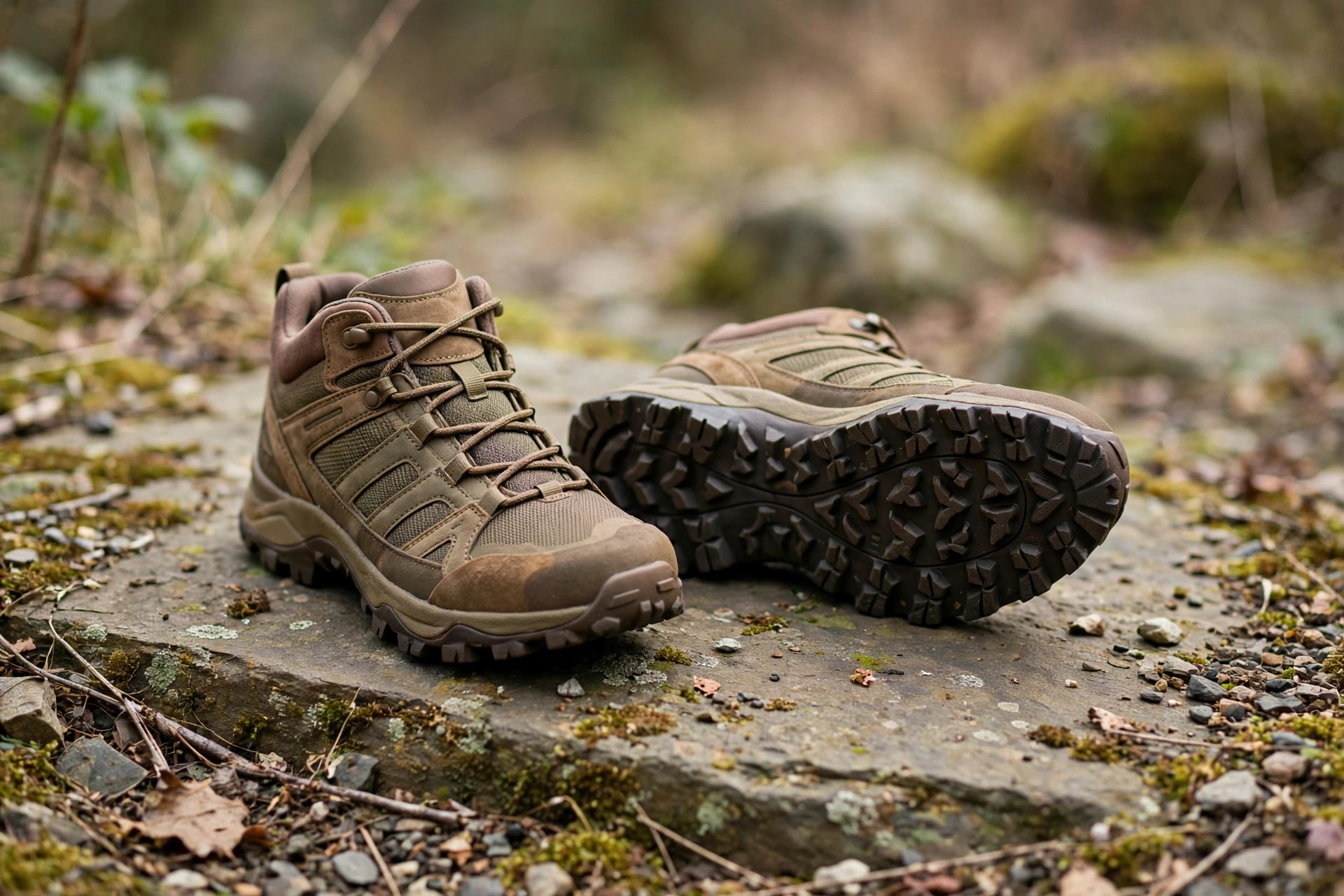
Adventure shoes are built for the days your plans leave the pavement: rocky trails, muddy forest paths, river crossings, slot canyons, and the kind of travel days that stack 20,000 steps across cobblestones and dirt roads. Unlike everyday sneakers, they combine aggressive traction, protective uppers, and stable platforms that keep your footing — and your ankles — secure when the ground gets uneven. This guide explains the main types, the features that separate a true adventure shoe from a fashion look-alike, and how to get a fit that stays comfortable at mile ten.
Types of Adventure Shoes
Trail runners are the lightest option: flexible, cushioned running-shoe platforms with lugged outsoles for grip on dirt and gravel. They suit fast day hikes, trail races, and travelers who pack light. Hiking shoes are sturdier, with stiffer soles, reinforced toe caps, and more support for carrying a daypack over rough ground. Approach shoes borrow from climbing: sticky rubber and a snug fit for scrambling over rock, popular with hikers who mix trails with boulder fields. Water-ready adventure shoes add drainage ports and quick-drying uppers for kayaking, canyon hikes, and beach exploring. Above them all sit hiking boots, which trade weight for ankle support on multi-day treks.
Traction, Protection & Waterproofing
The outsole is where adventure shoes earn their keep. Deep, multidirectional lugs (4–6 mm) bite into mud and loose dirt, while widely spaced patterns shed debris instead of clogging. A rock plate or stiff midsole shields your foot from sharp stones, and rubber toe caps and heel counters protect against stubs and scrapes. For wet climates, a waterproof membrane keeps feet dry through puddles and stream crossings — but it also runs warmer, so desert hikers often prefer breathable non-waterproof versions that dry overnight. Quick-draining mesh uppers are the third path, built to get wet and dry fast.
Getting the Fit Right
Fit adventure shoes for the trail, not the store carpet. Shop in the afternoon when feet are slightly swollen, wear your hiking socks, and allow a thumb's width in front of your longest toe — feet swell on descents and toes that jam the front will bruise by the third mile. Your heel should lock in with minimal lift, and the midfoot should feel secure without numbness. Walk an incline if the shop has one. Women with narrow heels often do better in women-specific lasts, which are shaped differently from simply shrinking a men's shoe. Break new shoes in on short walks before any big outing.
Care & Longevity
After muddy outings, knock off the dirt, remove the insoles, and air-dry away from direct heat, which cracks leather and warps synthetic uppers. Stuffing with newspaper speeds drying. Waterproof membranes last longer when the outer fabric is kept clean and periodically refreshed with a DWR spray. Store shoes unbuckled and untied in a dry place. Expect 300–500 miles from trail runners and considerably more from sturdy hiking shoes before the cushioning and tread give out.
Buying Tips: Test Them Like You Mean It
Before committing to a pair, test them the way the trail will. Walk down an incline to check toe room, step deliberately on gravel or a textured surface to feel the rock protection, and flex the shoe hard to confirm the sole bends at the ball of your foot rather than the midfoot. If you hike with a pack, wear one in the store — weight on your back changes how shoes feel and how your feet swell. Buy from retailers with trail-testing return policies when you can, keep the box until after your first real hike, and pack a spare set of quality laces: laces are the cheapest failure point on any adventure shoe.
Related Women's Guides
More to Explore on Apparel Search
- Footwear Definitions
- Shoes
- Women's Athletic Shoes
- Women's Boots
- Women's Casual Shoes
- Women's Clothes Guide Pg. 2
- Women's Clothing Directory Pg. 3
- Women's Dress Shoes
- Women's Footwear
- Women's Footwear Guide
- women's hiking shoes
- Women's Sandals
- Women's Shoe Stores
- Women's Shoes
- Women's Shoes Guide
- Women's Trend Shoes
Looking for Women's Clothing Stores?
This guide helps you choose women's adventure shoes by terrain and activity. To browse where to buy, visit our women's clothing store directory, where you can find retailers that carry them.