Women's Cotton Jerseys Guide
Sports-style tops sewn from soft cotton jersey fabric — the game-day look with everyday comfort, in plain colors and classic styling.
Shop Women's Cotton Jerseys Now
Shop Women's Cotton Jerseys on Amazon Shop Women's Cotton Jerseys on eBayThe Amazon and eBay links on this page are affiliate links. If you make a purchase through them, Apparel Search may earn a commission.
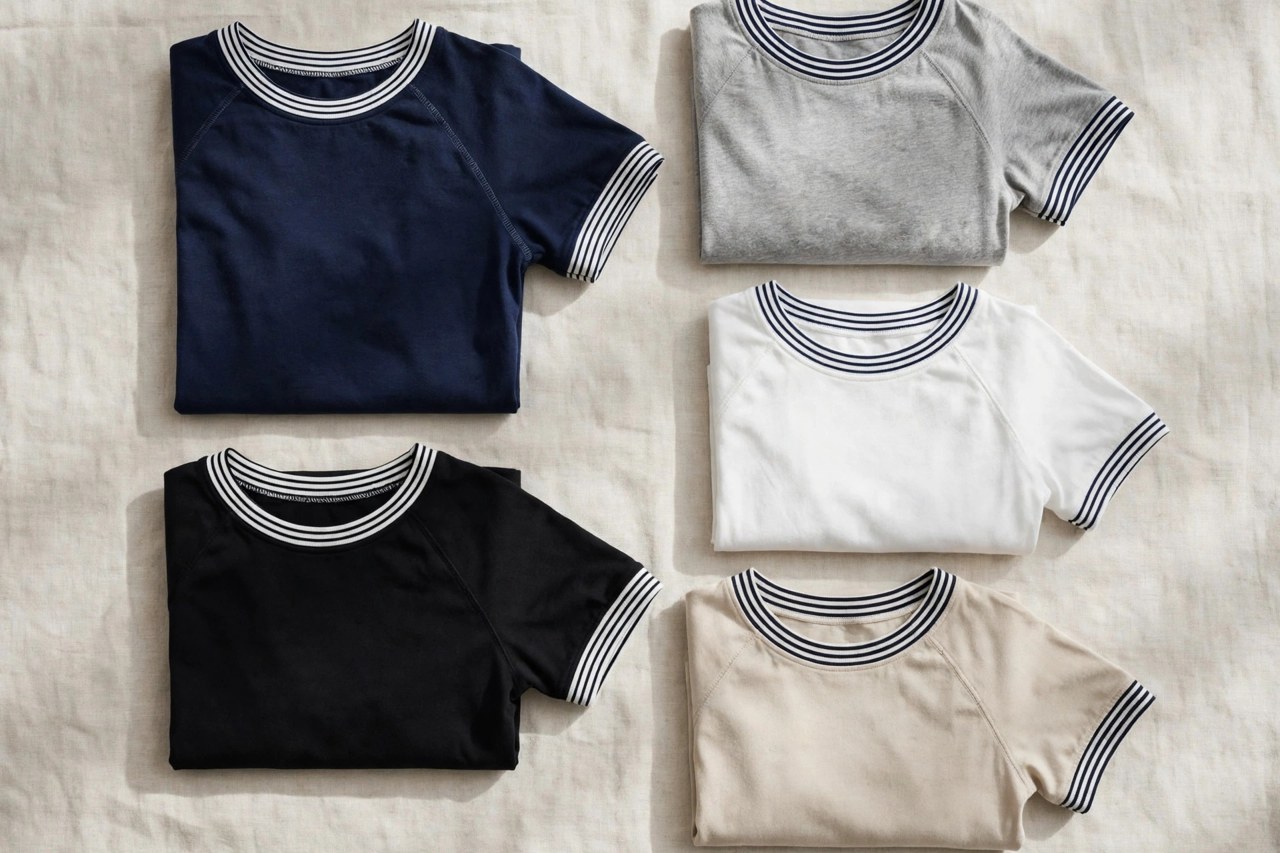
A cotton jersey, in this guide, means a sports-style top — the kind of relaxed, athletic-looking shirt inspired by team uniforms — sewn from cotton jersey fabric rather than from the shiny synthetic mesh used on the field. Plain stripes, contrast sleeves, and simple numbering give the style its game-day character, while the cotton knit gives it something a real uniform never offers: all-day softness. These tops are casual wear, made for watching the game, weekend errands, and easy sporty outfits. This guide covers the fabric, the design details that make a top read as a jersey, how the fit differs between fashion and replica-inspired cuts, and how to keep cotton colors and trims looking sharp.
The Fabric: Cotton Jersey, Not Mesh
The word jersey does double duty in clothing: it names both the garment style and the basic t-shirt knit itself — single jersey, a fine plain knit with a smooth face and a slightly textured back. Sports-style tops in this category are cut from that knit, usually a midweight cotton around 180 to 240 GSM, heavy enough to hold the style's structure and stay opaque, soft enough to wear all day. That is a deliberate trade. Actual team uniforms use synthetic mesh for moisture management during play, and they feel like equipment. The cotton versions trade that performance for comfort, breathability in everyday conditions, and a natural matte look. Some styles nod to the uniform tradition with small cotton mesh or eyelet panels at the sides or shoulders for air, but the body of the garment is jersey knit through and through.
Design Details That Make It a Jersey
A plain t-shirt becomes a jersey through a handful of classic cues. Contrast raglan sleeves — sleeves in a second color, cut diagonally from the collar — are the most recognizable, giving the top its athletic shoulder line and extra room through the arms. Striped ribbing at the collar and cuffs, often in two-color bands, frames the look; V-neck and henley-style plackets borrow from older uniform designs. Numbers and simple lettering appear on fashion versions as generic decoration, usually a single or double digit in a collegiate-style font, appliqued or printed. Side vents, slightly longer back hems, and shoulder yoke seams all echo uniform tailoring. The strongest styles use two or three of these details in classic color combinations — navy and white, maroon and gold tones, forest and cream — and let restraint do the work.
Fit: Fashion Cut Versus Replica Style
Cotton jerseys come in two broad fits. The traditional or replica-inspired cut is boxy and generous: straight body, dropped or full shoulders, longer length meant to be worn loose or half-tucked. It reads authentically sporty and suits layering over long-sleeve tees in cool weather. The fashion cut slims the body, raises the armhole, and shortens the length for a neater outfit with jeans or skirts; some add a gentle curve at the hem or a slightly fitted waist. When choosing, consider the knit: cotton jersey relaxes with wear, so a boxy cut that feels roomy at breakfast can feel sloppy by evening if bought oversized, while a fashion cut in a midweight jersey holds its line better. Check that appliqued numbers lie flat and do not pucker the knit — puckering at the edges of a numeral is the quickest sign of a cheaply made piece.
Styling the Sports Look Casually
The charm of a cotton jersey is how little effort it asks. With jeans and clean sneakers it is a complete weekend outfit; with cotton shorts it leans into its athletic roots for warm days. Layering extends the season: a long-sleeve cotton tee underneath a short-sleeve jersey is a classic stadium look that also solves cool evenings, and a denim or canvas jacket over the top keeps the sporty line while adding structure. Tucking just the front into high-waisted trousers or a skirt sharpens the boxy cut without losing its character. Keep combinations simple — the jersey is the statement, so plain bottoms in denim, twill, or solid cotton let its colors lead. Because the style references sport without copying any particular uniform, it travels across ages and occasions more gracefully than novelty athletic wear: it reads as a look, not a costume.
Care for Colors, Stripes, and Numbers
Cotton jerseys ask for slightly more laundry care than a plain tee because their contrast trims and decorations must survive together. Wash inside out in cool water to protect printed or appliqued numbers and to keep striped ribbing bright, and wash with like colors — strong jersey shades, especially deep reds and navies, release loose dye in their first washes and can tint white collar bands left in the same load. Cool water also guards the ribbing's elastane, keeping collars from going wavy. Avoid high dryer heat, which can crack printed numerals and shrink the body unevenly against its appliques; line drying or a low tumble keeps everything in register. Iron on the reverse side, never directly over prints. Stored folded, with tissue over large appliques if you stack them, a well-made cotton jersey keeps its crisp game-day look through many seasons of wear and washing.
More to Explore on Apparel Search
- Clothes
- Cotton
- Cotton Definition
- Cotton News
- different types of t-shirts
- Organic Cotton
- sports apparel
- sports team jersey stores
- What is Jersey?
- Women's Clothes
- Women's Cotton Clothing
- Women's Cotton Clothing Pg. 2
- Women's Cotton Clothing Pg. 3
- Women's Cotton Clothing Pg. 4
- Women's Cotton Clothing Pg. 5
- Women's Cotton Clothing Pg. 6
- women's jersey shirts
- women's jersey t-shirts
Looking for Women's Clothing Stores?
This guide helps you choose women's cotton jerseys as sports-style tops in jersey fabric. To browse where to buy, visit our women's clothing store directory, where you can find retailers that carry them.