Women's Cotton Clothing Guide — Page 6: Active, Sport & Premium Cotton
The final page — cotton for movement, fleece and sweat suits, then the premium fibers: Egyptian long-staple and certified organic cotton.
Shop Women's Cotton Active & Premium Apparel Now
Shop Women's Cotton Active & Premium Apparel on Amazon Shop Women's Cotton Active & Premium Apparel on eBayThe Amazon and eBay links on this page are affiliate links. If you make a purchase through them, Apparel Search may earn a commission.
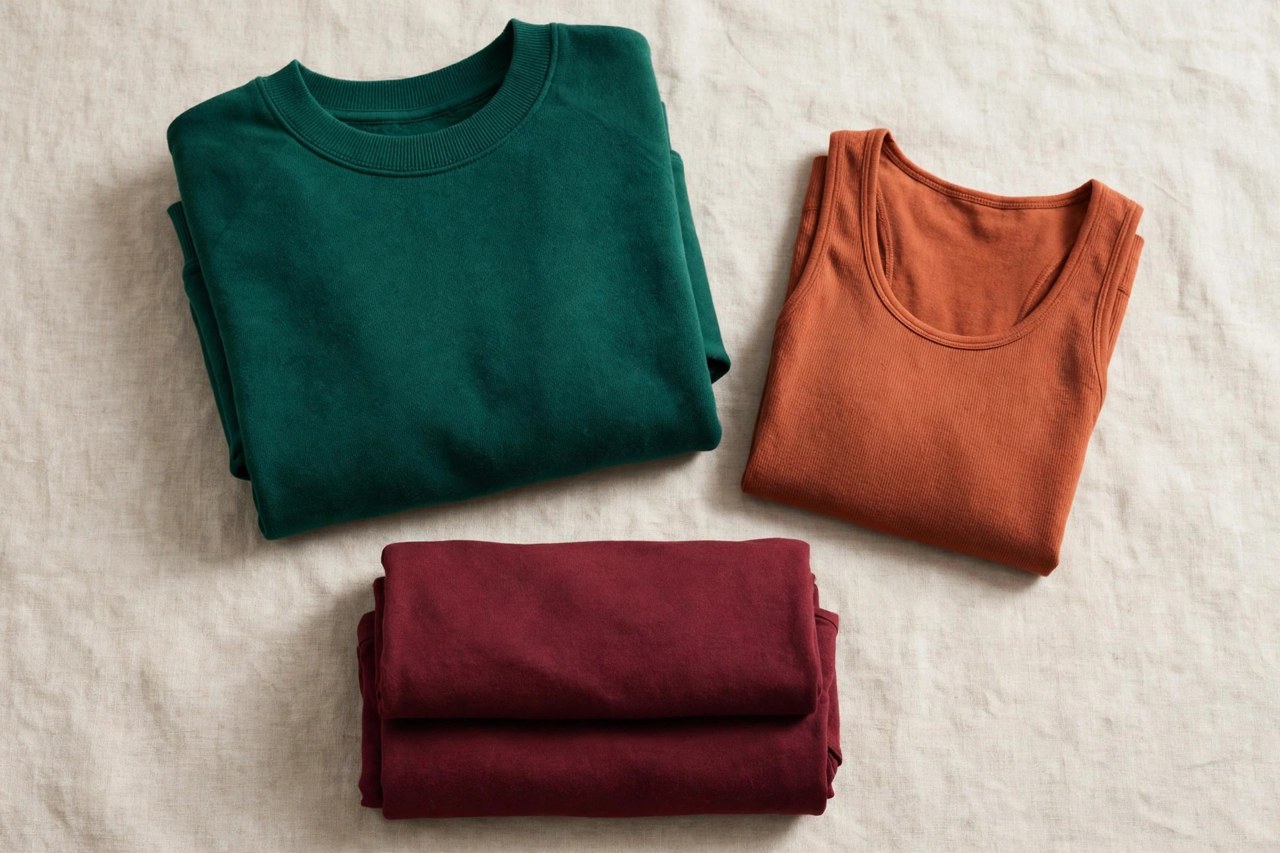
The last page of the guide pairs the most casual cotton with the most premium. First comes movement: the sweatshirts, hoodies, sweat suits, and cotton activewear built from fleece and terry knits, plus an honest account of where cotton belongs in exercise and where it does not. Then the fiber upgrades. Egyptian cotton, spun from extra-long-staple fiber, produces smoother, stronger cloth at every weight. Organic cotton, grown and certified under audited standards, changes how the fiber is farmed and, at the highest certification level, how the finished garment is dyed and sewn. Both command higher prices, and both are surrounded by loose labeling, so this page's guides take care to say what the terms guarantee and what they do not. The 22 guides here close the circle started on Page 1: the same garments — tees, pants, sweaters, sleepwear, underwear — reconsidered at the premium end of the cotton market.
Fleece, Terry, and the Sweatshirt Family
Most cotton active and leisure clothing is knitted, not woven, and two constructions dominate. French terry loops the back of the fabric, giving a lightly absorbent, breathable interior for warm-up layers and three-season sweatshirts. Fleece starts from similar loops and brushes them into a dense, soft nap that traps warmth — the classic sweatshirt interior. Hooded sweatshirts add a lined or single-layer hood, a kangaroo pocket on pullovers, and ribbed cuffs and hems knitted with a touch of elastane to keep their grip. Cotton fleece pills lightly at first and softens steadily; wash inside out, dry on medium or line dry, and avoid fabric softener overload, which coats the loops and dulls absorbency.
Cotton for Exercise and Yoga: The Honest Version
Cotton activewear needs a clear-eyed guide, and this page provides several. Cotton absorbs sweat readily — up to many times its weight in water across a hard session — which feels dry and comfortable at first, then heavy, cold in wind, and prone to chafing as it saturates. For low-intensity movement that trade is often worth it: yoga and stretching, walking, light studio work, warm-ups, cool-downs, and team sidelines are all settings where cotton's softness, breathability before saturation, and lack of synthetic odor retention win loyal wearers. Cotton yoga clothing blends elastane into the jersey for the stretch practice requires, and organic versions are popular for the same skin-contact reasons as organic underwear. The sportswear guide here uses the word in its classic American sense: coordinated casual separates for everyday dressing, a reminder that most cotton sport clothing is worn for life around sport as much as sport itself.
Egyptian Cotton: What Extra-Long Staple Actually Buys
All cotton fibers are staples, and length is quality. Ordinary upland cotton fibers run roughly an inch; extra-long-staple varieties, including the cotton grown in Egypt's Nile delta, reach an inch and a half or more. Longer staples spin into finer, smoother, stronger yarns with fewer fiber ends sticking out, and that single fact explains every Egyptian cotton claim that is true: fabrics feel smoother, pill less, keep a subtle luster, hold dye deeply, and stay strong at lighter weights — a premium poplin shirt or jersey tee can be both finer and more durable. The guides here apply that to apparel category by category: shirts, tees, pants, and shorts, plus wardrobe and fabric-to-garment overviews. The labeling caveat matters: a garment may call itself Egyptian while blending a modest share of long-staple fiber, and there is no single enforced percentage in many markets. Check the fiber content label, expect a real price difference, and judge by hand-feel — genuine long-staple cloth is noticeably smoother against ordinary cotton side by side.
Organic Cotton: Certification Is the Whole Point
Organic cotton is defined by process, not by feel. Certified organic fiber is grown without synthetic pesticides and fertilizers, from non-genetically-modified seed, under standards audited by third parties. A second, higher level of certification covers the finished garment: dyes, prints, and finishes must meet strict chemical rules, and factories meet labor and wastewater standards, which is why a fully certified garment costs more than one made with certified fiber alone. The guides on this page span the category deliberately — organic apparel, clothes, and clothing overviews; organic fashion and womenswear; organic sweaters; organic activewear, athleticwear, and sportswear — because shoppers meet the term everywhere and deserve one explanation that holds up. Two honest notes recur. First, blends: a small elastane share for fit does not cancel a garment's organic cotton content, but the percentage on the label is the fact to shop by.
Page 6: Active, Sport & Premium Cotton
- Women's Cotton Athletic Apparel
- Women's Cotton Exercise Clothing
- Women's Cotton Jerseys
- Women's Cotton Sportswear
- Women's Cotton Sweat Suits
- Women's Cotton Sweatshirts
- Women's Cotton Yoga Clothing
- Women's Egyptian Cotton Apparel
- Women's Egyptian Cotton Clothes
- Women's Egyptian Cotton Clothing
- Women's Heavyweight Cotton Sweatshirts
- Women's Hooded Cotton Sweatshirts
- Women's Organic Cotton Activewear
- Women's Organic Cotton Apparel
- Women's Organic Cotton Athleticwear
- Women's Organic Cotton Clothes
- Women's Organic Cotton Clothing
- Women's Organic Cotton Fashion
- Women's Organic Cotton Sportswear
- Women's Organic Cotton Sweaters
- Women's Organic Cotton T-Shirts
- Women's Organic Cotton Womenswear
Start over at Page 1! You have reached the end of the guide — loop back to where it begins, with cotton tees, t-shirts, tanks and tops, and work through the whole cotton wardrobe again at your own pace.
Start Over at Page 1: Tees, T-Shirts & Tops »More to Explore on Apparel Search
- Benefits of Cotton
- Cotton
- Cotton Definition
- Cotton News
- Organic Cotton
- Women's Cotton Clothing Guide Pg. 2
- Women's Cotton Clothing Pg. 3
- Women's Cotton Clothing Pg. 4
- Women's Cotton Clothing Pg. 5
- Women's Cotton Underwear
- Women's Cotton V-neck T-shirts
- Women's Cotton V-neck Tees
- Women's Egyptian Cotton Pants
- Women's Egyptian Cotton Shirts
- Women's Egyptian Cotton Shorts
- Women's Egyptian Cotton T-shirts
- Women's Egyptian Cotton Tees
- Women's Organic Cotton Loungewear
- Women's Organic Cotton Pajamas
- Women's Organic Cotton Pants
- Women's Organic Cotton Shorts
- Women's Organic Cotton Sleepwear
- Women's Organic Cotton Socks
- Women's Organic Cotton Tees
- Women's Organic Cotton Underwear
- Women's Solid Cotton Rib Bikini Underwear
Looking for Women's Clothing Stores?
This guide helps you choose women's cotton activewear, Egyptian cotton and organic cotton apparel by activity and certification. To browse where to buy, visit our women's clothing store directory, where you can find retailers that carry them.