Women's Egyptian Cotton Pants Guide
Tailored pants in smoother, stronger long-staple cotton — and an honest look at when the premium beats regular cotton pants.
Shop Women's Egyptian Cotton Pants Now
Shop Women's Egyptian Cotton Pants on Amazon Shop Women's Egyptian Cotton Pants on eBayThe Amazon and eBay links on this page are affiliate links. If you make a purchase through them, Apparel Search may earn a commission.
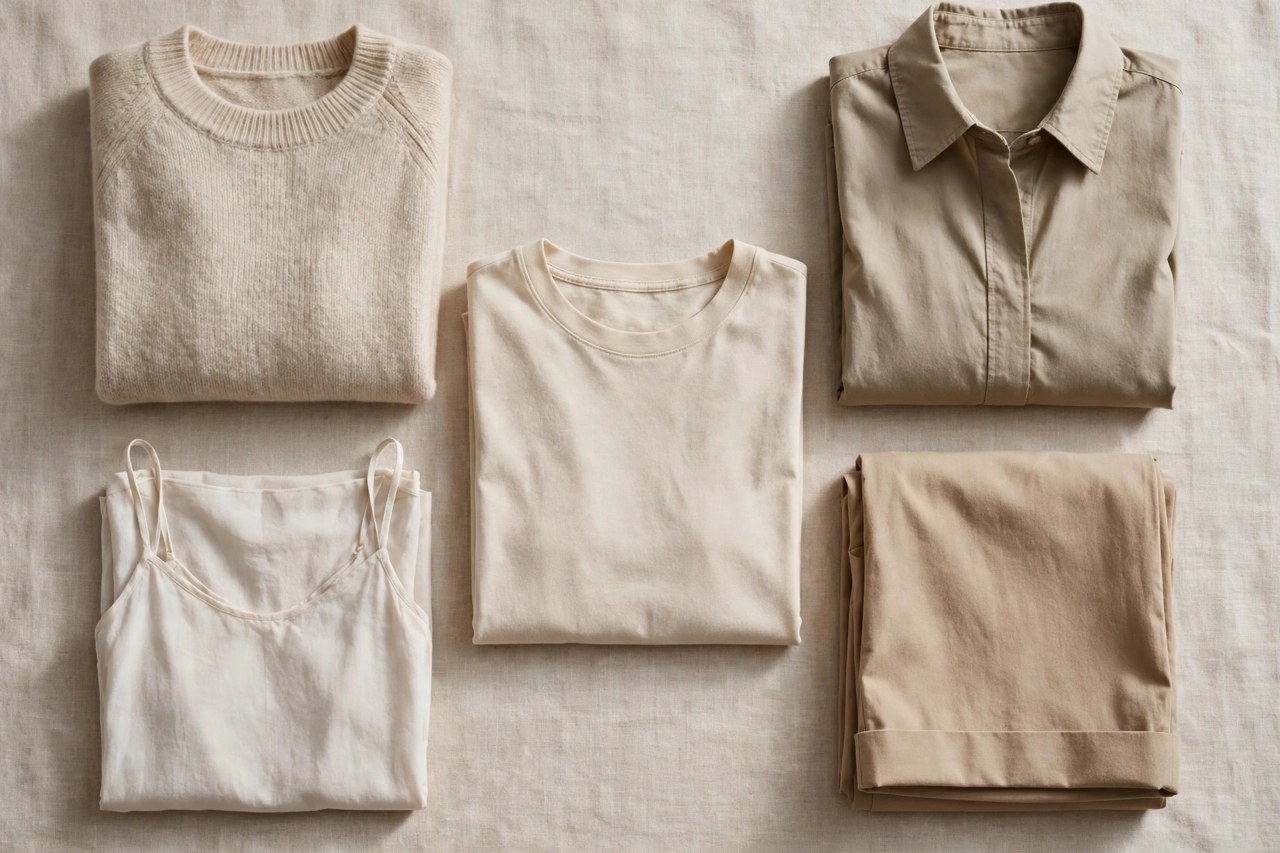
Egyptian cotton pants take the hardest-working garment in a wardrobe and rebuild it from better fiber. Pants fail in predictable places: the seat shines, the knees bag, the inner thighs thin, and the color fades unevenly. Extra-long staple cotton attacks each of those failures at the yarn level. Longer fibers spin into stronger, smoother twill and sateen cloth that resists abrasion longer, holds a pressed crease more cleanly, and keeps an even color because the surface dyes uniformly. The result is a tailored pant that still looks deliberate at the end of a long day and at the end of a long season. This guide compares Egyptian cotton pants honestly against regular cotton pants, so you can see where the higher price buys real life-span and where an ordinary pair would serve you just as well.
Twill and Sateen: The Two Premium Cloths
Most Egyptian cotton pants are cut from one of two weaves. Cotton twill, recognizable by its diagonal rib, is the durable workhorse behind chinos and tailored trousers; in ELS fiber the rib looks finer and the surface feels smoother, with less of the dry roughness of basic twill. Cotton sateen floats yarns across the surface for a subtle sheen and silky hand, producing the polished pant worn with blazers and heels. ELS improves both: sateen gains luster without the fragility that plagues cheap shiny pants, and twill gains strength that delays thinning at stress points. Some makers add one or two percent elastane for comfort through the waist and knee — a sensible blend that does not undermine the fiber story, provided the label states the Egyptian cotton percentage plainly and it remains the overwhelming majority of the cloth.
Versus Regular Cotton Pants
Side by side, the differences build over time rather than announcing themselves on day one. A regular cotton twill pant starts life perfectly serviceable, then gradually fuzzes at the seat and thighs as short fibers break and pill, fades in streaks where the surface wears unevenly, and loses its crease to a general rumpled softness. An ELS pant follows the same arc far more slowly: the surface stays smoother, the color stays truer, and the silhouette stays sharper through many more wears and washes. Fit retention is the subtlest advantage — stronger yarns stretch out less during the day, so knees and seats recover overnight instead of bagging permanently. If you wear tailored pants several days a week, that slower decline is the entire value case. If pants are an occasional garment for you, regular cotton honestly may be enough.
Styles, Rises, and Getting the Fit Right
Egyptian cotton appears across the main tailored shapes: straight-leg trousers, slim cigarette pants, wide-leg styles that show off sateen's drape, and cropped ankle pants for warm weather. Mid and high rises dominate the premium market because they pair with tucked shirts and blazers, and the smoother cloth flatters closer fits without clinging the way thin regular cotton can. Because ELS fabrics hold shape, buy these pants to fit properly at the start rather than relying on stretch to rescue a size; a waistband that gaps on day one will not improve. Check the inseam after accounting for first-wash shrinkage of a few percent — better brands cut with that allowance, but hemming after one wash is the safest plan for a full-length pair. Pockets, waistband construction, and a clean flat front matter as much as fiber in how premium the finished pant feels.
Label Checks and Price Justification
Pants are where blend honesty matters most, because a pant woven from mostly ordinary cotton with a token share of Egyptian fiber wears exactly like an ordinary pant while priced like a premium one. Read the fiber line before the brand story: look for 100 percent Egyptian cotton, or a high percentage with a small elastane share for stretch. Then judge the price against your wearing pattern. For a work rotation pant worn weekly, the ELS premium commonly pays for itself by doubling the presentable life of the garment compared with a budget pair that shines and fades within a season. For a fashion color or a wide-leg trend style you may retire early, the math reverses — buy regular cotton and save the difference. Premium fiber justifies itself through repetitions, and pants you truly live in provide plenty of them.
Care for Long Life
Protect the investment with the same sensible routine as other quality cotton, adjusted for tailored construction. Wash pants inside out in cool water to shield the sateen sheen or twill face, use a gentle cycle, and avoid chlorine bleach, which attacks even strong fibers and yellows whites. Line drying preserves fit and surface best; if you tumble dry, choose low heat and remove the pants while faintly damp to press in a sharp crease with a medium iron. Store tailored pairs hung by the waistband on clamp hangers so the crease sets vertically, and rest them a day between wears — cotton recovers shape and sheds wrinkles when given time on the hanger. Spot-clean small marks between washes to reduce full launderings. Treated this way, Egyptian cotton pants keep their smooth, deliberate look for seasons, which is precisely what you paid for.
More to Explore on Apparel Search
Photos

Looking for Women's Clothing Stores?
This guide helps you choose women's Egyptian cotton pants versus regular cotton. To browse where to buy, visit our women's clothing store directory, where you can find retailers that carry them.