Women's Organic Cotton Fashion Guide
Eco-fashion without the sack dress cliché — styling certified organic cotton with polish, color, and intent for real occasions.
Shop Women's Organic Cotton Fashion Now
Shop Women's Organic Cotton Fashion on Amazon Shop Women's Organic Cotton Fashion on eBayThe Amazon and eBay links on this page are affiliate links. If you make a purchase through them, Apparel Search may earn a commission.
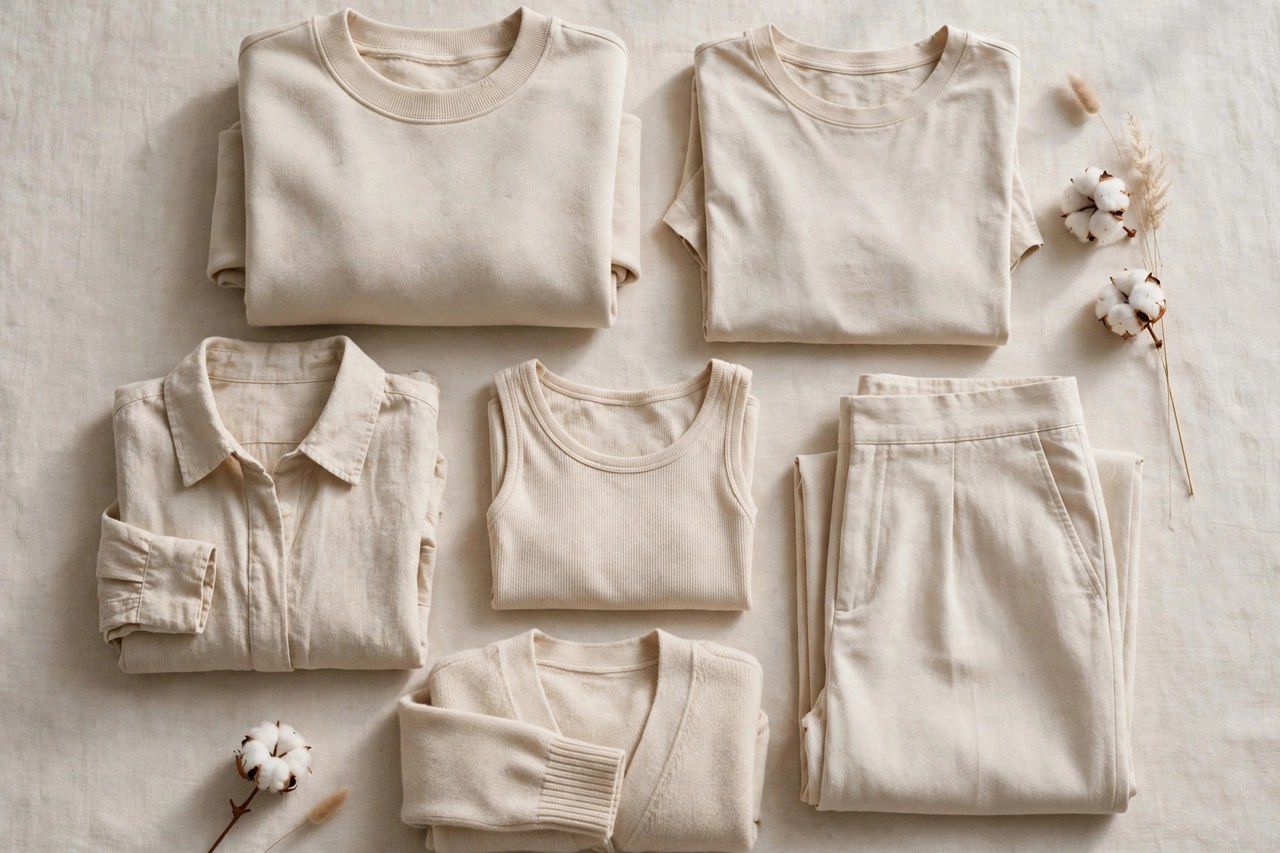
Organic cotton fashion is where certification meets style, and the meeting has not always gone well. For years the category's public image was a narrow one: undyed oatmeal jersey, shapeless cuts, prices justified entirely by virtue. The eco-fashion movement has spent a decade outgrowing that cliché, and today's organic cotton fashion includes tailored poplin shirtdresses, fluid jersey evening pieces, sharp twill tailoring, and knitwear with genuine design intent — all in GOTS-certified fabric. This guide is about wearing organic cotton fashionably: how designers work within the standard's dye and finish rules, how to build outfits that read as chosen rather than worthy, and how to dress certified cotton up for occasions where nobody will know it is organic unless you tell them, which is rather the point.
The Eco-Fashion Movement in Brief
Eco-fashion grew from two directions at once. From below came small labels founded specifically on certified fibers, transparent factories, and limited runs, selling direct and explaining their costs in unusual detail. From above came established designers adding organic cotton capsules, then full lines, as GOTS-certified fabric mills began offering fashion-weight poplins, sateens, voiles, and jerseys in current colors rather than a fixed palette of naturals. The movement's real achievement is supply-side: certified cloth now exists in enough weaves, weights, and shades that a designer can work in organic cotton without designing around scarcity. That is why current organic fashion can follow silhouette trends — wide-leg twill pants, oversized shirts, column dresses — instead of freezing into a permanent bohemian uniform. When you shop the category today, expect fashion logic first and certification as the foundation underneath it.
Color, Dye, and the End of the Oatmeal Era
Nothing dates an organic garment faster than reluctance about color. GOTS-approved dye ranges now cover deep jewel tones, clean brights, and true black, using low-impact fiber-reactive dyes that bond to cotton and hold through washing. Undyed and naturally colored cottons still have their place — the sweaters guide in this section celebrates them — but they are now one aesthetic choice among many rather than the category's uniform. Stylists working with organic fashion use color the way they use it anywhere: a saturated poplin dress as the single strong statement, natural tones layered in different textures for a quiet luxury effect, or certified white shirting as the crisp base under tailoring. One practical note: piece-dyed and garment-dyed organic pieces can fade a little more softly and unevenly than conventional equivalents, which fashion has largely embraced as patina rather than defect, especially in twill and jersey.
Styling Certified Cotton for Real Occasions
Work dressing is organic cotton's easiest win. A certified poplin shirt with proper collar structure, twill trousers with a clean crease, and a fine-gauge organic cotton knit layer build a complete professional wardrobe with no compromises in appearance. For evenings, look to cotton sateen and voile: sateen's smooth, lustrous face reads dressy under low light, while layered voile dresses move beautifully and pack the romantic softness usually assigned to synthetics. Day dresses in organic lawn and jersey style exactly like their conventional counterparts — the styling rules are about silhouette, proportion, and accessories, never about the fiber's farming. The one styling trap is leaning too hard into the natural narrative visually: head-to-toe undyed linen-look cotton with rustic accessories announces a theme, while mixing certified pieces with the leather, denim, and jewelry already in your wardrobe makes the same clothes look simply well chosen.
Fit and Fabric: Where Organic Fashion Succeeds or Fails
Because organic lines often run small production batches, fit consistency varies more between brands than in mass-market fashion, and trying or measuring matters. Fabric quality, fortunately, tends to run high: brands paying for certified cloth rarely sew it carelessly, and long-staple organic jersey and poplin have a smooth, dense hand that drapes like the premium fabrics they are. Judge fashion pieces as you would any designer garment. Does the knit recover after stretching? Do seams lie flat, patterns match at joins, and buttons hold under a firm tug? Does the silhouette hold its intended shape on the body rather than only on the hanger? Certification guarantees how the fabric was produced; only these checks guarantee the dress. A useful discipline is to buy organic fashion from the same shortlist of makers once you find one whose sizing and finishing suit you, because consistency is the scarcest luxury in this category.
Cost, Value, and Building the Look Over Time
Organic fashion costs more than high-street conventional fashion and often less than designer conventional fashion, which makes the middle of the market its natural home. The premium reflects certified fabric, audited factories, and short runs, as detailed across this section, and fashion pricing on top of that is real but readable: you are paying for a cut, not only a conscience. Value comes from choosing versatile statement pieces rather than certified versions of fleeting micro-trends. A beautifully cut organic shirtdress, a sateen skirt, or a perfect heavyweight tee in a current shape will be worn for years, spreading both cost and footprint. Accessorize from what you own, let one new certified piece refresh several old outfits, and the look stays current without constant buying — which is, in the end, the most fashionable interpretation of the eco-fashion idea itself.
More to Explore on Apparel Search
- benefits of cotton
- Clothes
- Cotton
- Cotton Definition
- Cotton News
- Fashion
- Fashion Designers
- Fashion designers by designer name
- Organic Clothing
- Organic Cotton
- Popular Brands
- Women's Cotton Clothing
- Women's Fashion
- Women's Organic Cotton Activewear
- Women's Organic Cotton Athleticwear
- Women's Organic Cotton Loungewear
- Women's Organic Cotton Pajamas
- Women's Organic Cotton Pants
- Women's Organic Cotton Shorts
- Women's Organic Cotton Sleepwear
- Women's Organic Cotton Socks
- Women's Organic Cotton Sportswear
- Women's Organic Cotton Tees
- Women's Organic Cotton Underwear
- Women's Organic Fashion
Looking for Women's Clothing Stores?
This guide helps you choose women's organic cotton fashion by style, color and occasion. To browse where to buy, visit our women's clothing store directory, where you can find retailers that carry them.