Women's Organic Cotton Activewear Guide
Styled sets for yoga, walking, and gentle studio work — certified organic cotton, chosen for softness and low-impact days, not race day.
Shop Women's Organic Cotton Activewear Now
Shop Women's Organic Cotton Activewear on Amazon Shop Women's Organic Cotton Activewear on eBayThe Amazon and eBay links on this page are affiliate links. If you make a purchase through them, Apparel Search may earn a commission.
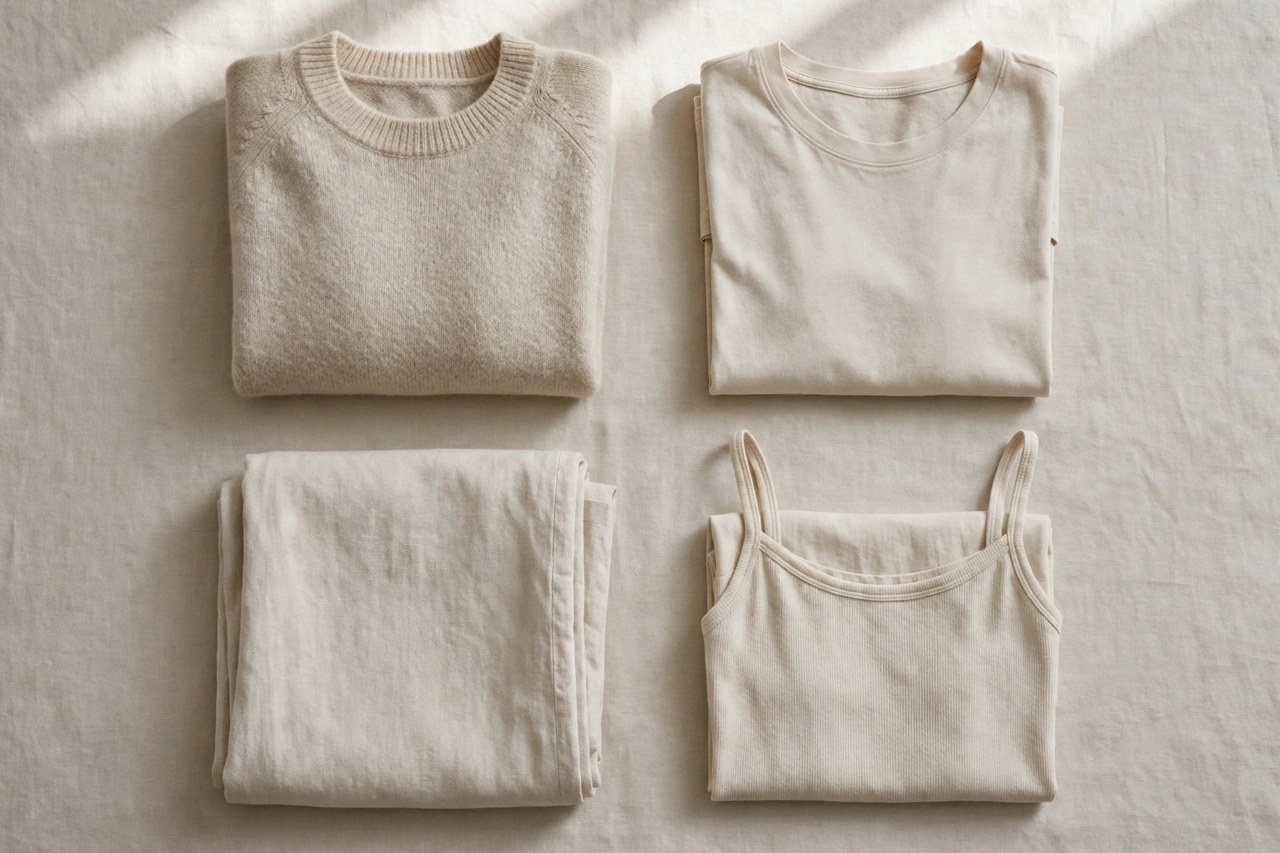
Organic cotton activewear is the styled side of natural-fiber exercise clothing: matching leggings and crop tops, soft sports bras, relaxed studio tees, and coordinated sets made to look good on the walk to a class as much as during it. The cotton is grown without synthetic pesticides or fertilizers, and the best pieces carry GOTS certification, which follows the fiber from farm through spinning, knitting, dyeing, and sewing. That certification is the heart of this guide — what it guarantees, what it does not, why it raises the price, and how organic cotton genuinely behaves when you move and sweat in it. For gentle yoga, Pilates, stretching, walking, and low-impact strength work, a well-made organic set is a pleasure to wear. For long, hot, high-sweat sessions, it has honest limits, and this page will state them plainly.
What GOTS Certification Actually Means
GOTS — the Global Organic Textile Standard — is the leading garment-level certification for organic textiles. A GOTS-certified garment must contain at least 95 percent certified organic fiber for its highest label grade, and the whole supply chain is audited: the farm, the gin, the spinner, the knitter or weaver, the dyehouse, and the sewing factory. Dyes and finishes must meet strict toxicity rules, wastewater must be treated, and working conditions are checked against social criteria. That is far more than a fiber-only claim. A label that simply says made with organic cotton may mean the cotton was grown organically but dyed, finished, and sewn with no oversight at all, and blends can contain as little as a small percentage of organic fiber. When certification matters to you, look for the GOTS logo and a license number you can check, not just the word organic in large letters.
The Pieces: Sets, Leggings, Tops, and Soft Bras
The classic organic activewear wardrobe is built in sets. Leggings and bike shorts in organic cotton jersey, usually with five to ten percent elastane for recovery, form the base; GOTS allows a small elastane share while keeping the garment certifiable, but a higher synthetic content quietly undermines the organic claim, so read the fiber breakdown. Matching crop tops, racerback tanks, and longline soft bras complete the coordinated look that defines activewear as distinct from purely functional training gear. Relaxed tees and sweatshirts in organic French terry or fleece handle warm-ups and the trip home. Cotton-rich activewear fabrics are knits — single jersey for tees, heavier interlock for leggings that need opacity, rib knits for cuffs and bands. Squat-test any legging in bright light before keeping it, because organic certification says nothing about whether a knit is thick enough to stay opaque.
Why Organic Activewear Costs More
Expect to pay noticeably more than for conventional cotton or basic synthetic sets, and the reasons are structural rather than fashionable. Organic cotton yields are often lower, the fiber must be kept separate from conventional cotton at every stage so batches never mix, and every handler in the chain pays for annual certification audits. Smaller production runs, better-paid audited factories, and compliant dyehouses add further cost. None of that makes a high price proof of quality — plenty of expensive sets are ordinary garments with a green story — but a suspiciously cheap organic claim deserves a second look at the label. The sensible way to judge value is cost per wear: a certified set worn twice a week for gentle exercise, washed gently, and kept for several years earns its premium back, while a set bought for a single retreat does not.
The Honest Trade-Off: Cotton and Sweat
Cotton absorbs moisture, which feels comfortable at first and clammy later. In a short, gentle session that absorption is fine — the fabric takes up light perspiration and the workout ends before saturation matters. In longer or hotter exercise, wet cotton stays wet, feels heavy, can chafe at seams, and loses the soft hand that made it appealing. Technical synthetics wick and dry faster; that is simply what they are engineered to do. Organic cotton activewear is therefore best matched honestly to low-impact movement: yoga, stretching, barre-style work, walking, light cycling, and easy strength sessions in cool rooms. It is also kinder at the margins of the day — skin that reacts to synthetic fabrics worn for hours often tolerates certified organic cotton, which is free of the harsh finishing chemicals GOTS restricts. Choose the fiber for the session you are actually planning, and the trade-off disappears.
Care That Protects Knits and Elastane
Wash organic activewear inside out in cool water on a gentle cycle, and skip fabric softener, which coats fibers, dulls absorbency, and can break down elastane. Air drying is the single best habit: heat from tumble dryers ages elastane faster than anything else, and leggings that lose recovery at the waist and knee are usually dryer casualties. Wash sets together so matching pieces fade at the same rate, and store leggings folded rather than hung by the waistband, which slowly stretches the elastic. Pilling at inner thighs is normal for cotton knits and is reduced by turning garments inside out and washing with similar soft fabrics, not with towels or zips. Treated this way, a good organic set keeps its shape and softness through several seasons of gentle use — which is also the environmental point of buying it in the first place.
More to Explore on Apparel Search
- about activewear
- Clothes
- Cotton
- Cotton Definition
- Cotton News
- Going Green
- Organic Clothing
- Organic Cotton
- women's activewear
- women's cotton athletic apparel
- Women's Cotton Clothing
- Women's Organic Cotton Clothes
- Women's Organic Cotton Clothing
- Women's Organic Cotton Fashion
- Women's Organic Cotton Pajamas
- Women's Organic Cotton Pants
- Women's Organic Cotton Shorts
- Women's Organic Cotton Sleepwear
- Women's Organic Cotton Socks
- Women's Organic Cotton Tees
- Women's Organic Cotton Underwear
- Women's Organic Cotton Womenswear
- Women's Organic Fashion
Looking for Women's Clothing Stores?
This guide helps you choose women's organic cotton activewear by certification, set and fabric. To browse where to buy, visit our women's clothing store directory, where you can find retailers that carry them.