Women's Gauntlet Gloves Guide
The dramatic cuff: wide, flared gauntlets that cover the forearm — from protective leather to polished evening style.
Shop Women's Gauntlet Gloves Now
Shop Gauntlet Gloves on Amazon Shop Gauntlet Gloves on eBayThe Amazon and eBay links on this page are affiliate links. If you make a purchase through them, Apparel Search may earn a commission.
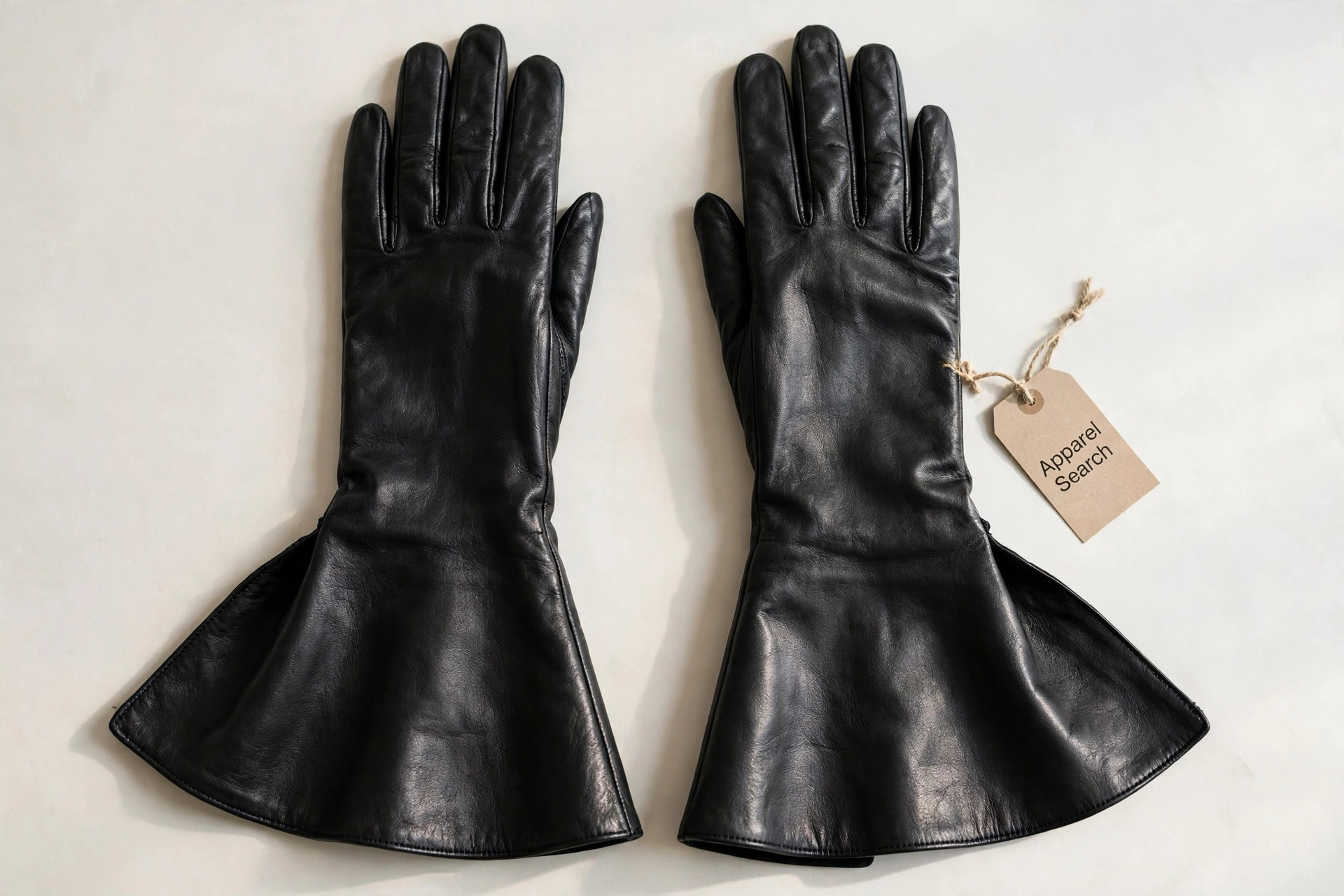
A gauntlet glove is defined by its cuff: a wide, flared flare of material that extends well past the wrist and over the forearm, opening like a trumpet bell. The shape began as protection — armour and working gloves used the flare to shed blows, sparks and weather away from the sleeve — and it remains one of the most striking silhouettes a glove can make.
Women's gauntlet gloves today span sturdy leather pairs for riding and outdoor work, soft suede styles that give an autumn outfit instant structure, and satin or leather evening gauntlets worn as a deliberate statement. This guide explains how gauntlets differ from ordinary long gloves, how the cuff should fit and flare, and how to style and care for a glove that is half accessory, half architecture.
Gauntlet Styles: Leather, Suede and Evening
The leather gauntlet glove is the classic form: a fitted hand in cowhide, goatskin or deerskin, opening into a stiffened or semi-structured cuff that stands away from the forearm. It is the riding, driving and heritage-work style, protective and handsome in black, brown and tan. The suede gauntlet softens the same silhouette for everyday wear — the cuff folds or slouches a little, pairing naturally with coats and boots.
The evening and fashion gauntlet trades protection for drama: satin, stretch leather or fine fabric cuffs worn pushed, ruched or fully extended with cocktail and formal dresses. Costume and historical gauntlets — medieval, musketeer and riding-habit styles — follow the same pattern with more ornament. In every case the test is the cuff: it should flare cleanly, hold its shape, and not collapse into wrinkles at the wrist.
Gauntlet Gloves vs Long Gloves, and How the Cuff Should Fit
A long glove is fitted all the way up the arm; a gauntlet is fitted at the hand and wrist, then opens out. That difference changes both fit and use. The hand should fit like any good glove — snug, fingers reaching the tips, no loose palm leather — while the cuff should clear your forearm and sleeve comfortably, flaring rather than gripping. Measure your hand for the glove size, then check the cuff opening against your forearm and the coats you will wear it with.
Length varies from a short flare just past the wrist to cuffs reaching mid-forearm. Shorter gauntlets are the most versatile and the easiest to wear over knitwear; longer, stiffer cuffs need a bare arm, a fitted sleeve, or to be worn over a slim coat sleeve. A strap, button or elastic shirring at the wrist keeps the glove from sliding — important, because a wide cuff gives gravity something to hold.
Styling Gauntlet Gloves, and Care
Style gauntlets as the outfit's strong gesture. With a tailored coat, push the cuff over the sleeve for a clean, equestrian line; with a sleeveless or short-sleeved dress, wear the cuff fully extended and keep other accessories quiet. Leather gauntlets anchor biker and heritage looks, suede softens a knit dress, and a black satin gauntlet can replace both jewellery and sleeves at an evening event. One statement is enough — gauntlets plus a dramatic hat plus statement boots is a costume, not an outfit.
Care follows the material, with one extra step: protect the cuff's shape. Store gauntlets flat or lightly stuffed so the flare does not crease flat, keep leather conditioned and suede brushed and sprayed, and never crush them into a crowded drawer. Satin and fabric gauntlets should be spot-cleaned and stored away from hooks and jewellery that snag.
Common Questions
What is a gauntlet glove?
A glove with a wide, flared cuff that extends past the wrist and opens over the forearm, like a trumpet bell. The hand fits normally; the cuff flares rather than gripping the arm. The shape began as protection on armour and work gloves and is now worn in leather, suede and satin as a strong style statement.
What is the difference between gauntlet gloves and long gloves?
Fit up the arm. A long or opera glove is fitted closely all the way to its top. A gauntlet glove is fitted at the hand and wrist, then opens into a loose, flared cuff. Gauntlets go more easily over sleeves and coats; long gloves are made for bare arms and fitted sleeves.
How should gauntlet gloves fit?
The hand should fit snugly, like any quality glove, with fingertips reaching the ends and no loose palm. The cuff should clear your forearm and sleeve without gripping, flaring cleanly and holding its shape. Check the cuff opening against the coats and sleeves you plan to wear it over before you buy.
Women's Gloves Guides
Gloves by type for women — every women's guide in this cluster:
More to Explore on Apparel Search
From flared cuffs to the longest, most elegant glove of all: continue to opera gloves.
Next: Women's Opera Gloves Guide: Above-Elbow Lengths, Satin & Formal Etiquette »Looking for Women's Clothing Stores?
This guide helps you choose gauntlet gloves with a cuff that flares cleanly and fits your arm. To browse where to buy, visit our womens clothing store directory, where you can find retailers that carry them.