Women's Halloween Costumes Guide
A tasteful guide to Halloween dressing up: choosing a theme, making versus buying, getting the fit right, and the fabric and visibility safety checks that matter after dark.
Shop Women's Halloween Costumes Now
Shop Women's Halloween Costumes on Amazon Shop Women's Halloween Costumes on eBayThe Amazon and eBay links on this page are affiliate links. If you make a purchase through them, Apparel Search may earn a commission.
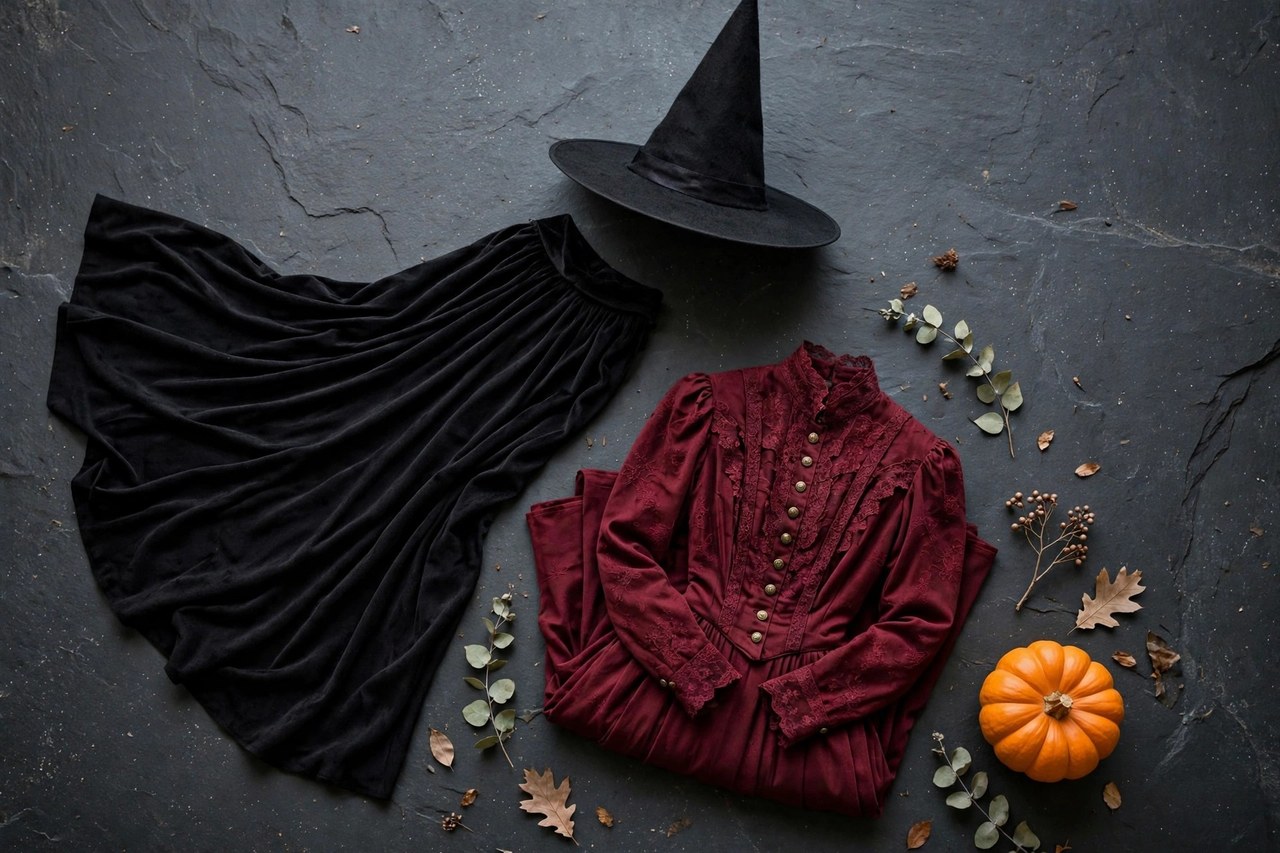
Halloween costumes are not just for kids. Halloween is a celebration observed in several countries on 31 October, and its costumes were traditionally modelled after supernatural figures such as vampires, monsters, ghosts, skeletons, witches and devils. In the United States the selection long ago extended to popular characters from fiction and celebrities, and the modern women's range runs from the classic witch to this year's film heroine.
The adult part matters historically too. Costumes were worn mainly by young people for centuries, but since the mid-20th century they have been increasingly worn by adults as well — which is why women's costumes now have their own sizing, quality range and party calendar. This is a tasteful guide to choosing well among them: theme, making versus buying, fit, and safety.
A Little History, Then the Themes
The custom is old. An early reference to wearing costumes at Halloween comes from Scotland in 1585 and they may pre-date even that; references multiply through the 18th and 19th centuries in the Celtic countries of Scotland, Ireland, Mann and Wales, where dressing up and guising at the turning of the year were established traditions long before the plastic pumpkin crossed the Atlantic.
Themes for women divide into four reliable families. The classics — witch, vampire, ghost, skeleton, devil, black cat — never fail and mostly live in your existing wardrobe plus one accessory. Characters from film, books and games are the most recognisable at a party and the most date-sensitive. Historical and vintage looks — flapper, medieval lady, Victorian mourner — suit women who prefer dressing beautifully to dressing scarily. And wordplay and group costumes trade on wit, photograph brilliantly, and are usually the most comfortable costumes in the room.
DIY vs Bought vs Rented
Bought costumes win on speed and completeness: one package, whole character, honest sizing charts, and quality that now ranges from one-night polyester to genuinely well-made pieces you will rewear. Their weaknesses are sameness — the popular character will be worn by three other guests — and thin fabrics that assume an indoor party. Buy early for the full size range, and try the costume on when it arrives, not on the 31st.
DIY and assembled costumes win on originality and fit: your own clothes as the base, bought or made pieces for the character, makeup doing the heavy lifting. They reward planning and punish the night-before start. Rental is the overlooked middle path for elaborate historical or mascot-style costumes: theatrical quality for one night's price, with the fit checked in the shop. Most good costumes are honestly a blend — a bought centrepiece, an owned base, and twenty minutes of makeup.
Sizing, Fit and Comfort
Costume sizing is the least standardised sizing in women's clothing. Party costumes often run small, use a single one-size or S/M/L grading that maps loosely to dress sizes, and are cut for photographs rather than for sitting, eating and dancing for five hours. Measure yourself and read the costume's own chart, size up when between sizes, and check the three party tests at home: can you sit, climb stairs, and use a bathroom without assistance or disassembly?
Comfort engineering matters by midnight. Choose breathable layers under synthetic shells, shoes you can stand in (or the costume's look adapted to the boots you own), and a plan for warmth if any part of the evening is outdoors — a cape, cloak or themed coat beats shivering in character. Pin, tape or trim anything that trails, and rehearse masks and headpieces: if you cannot see your drink, the accessory needs adjusting before the party, not during it.
Fabrics and Safety After Dark
Two checks are genuinely important. The first is flammability: Halloween gathers candles, lanterns, bonfires and jack-o'-lanterns, and cheap costume fabrics are often highly flammable synthetics. Look for flame-resistant or flame-retardant labelled costumes, keep hems, capes and trailing sleeves away from open flames, and be most careful with flowing costumes near candles — the classic combination in every fire service's October warning.
The second is visibility. Dark costumes on dark streets are a real hazard for trick-or-treat escorts and anyone walking between venues: add a reflective element, a light-coloured layer, or carry a lit phone or small torch, and choose makeup over a full mask when you need to cross roads, since masks narrow peripheral vision. Hem costumes to a length you cannot trip on, in heels you have worn before. The memorable costume is the one its wearer survived elegantly — plan ahead, check these two boxes, and enjoy being someone else for the night.
More Occasion Guides
Photos

More to Explore on Apparel Search
Women’s Clothes Guide by Letter: Women's Clothing Directory G · Women's Fashion Directory I · Women's Apparel Directory J · Women's Fashion Directory K · Women's Fashion Directory L · Women's Fashion Directory M
Looking for Women's Clothing Stores?
This guide helps you choose women's Halloween costumes, from classic witches to character looks. To browse where to buy, visit our women's clothing store directory, where you can find retailers that carry them.