Women's Medical Shoes Guide
Shoes, specifically — closed-toe leather clinical shoes with slip-resistant soles, real support, and leather that wipes clean.
Shop Women's Medical Shoes Now
Shop Women's Medical Shoes on Amazon Shop Women's Medical Shoes on eBayThe Amazon and eBay links on this page are affiliate links. If you make a purchase through them, Apparel Search may earn a commission.
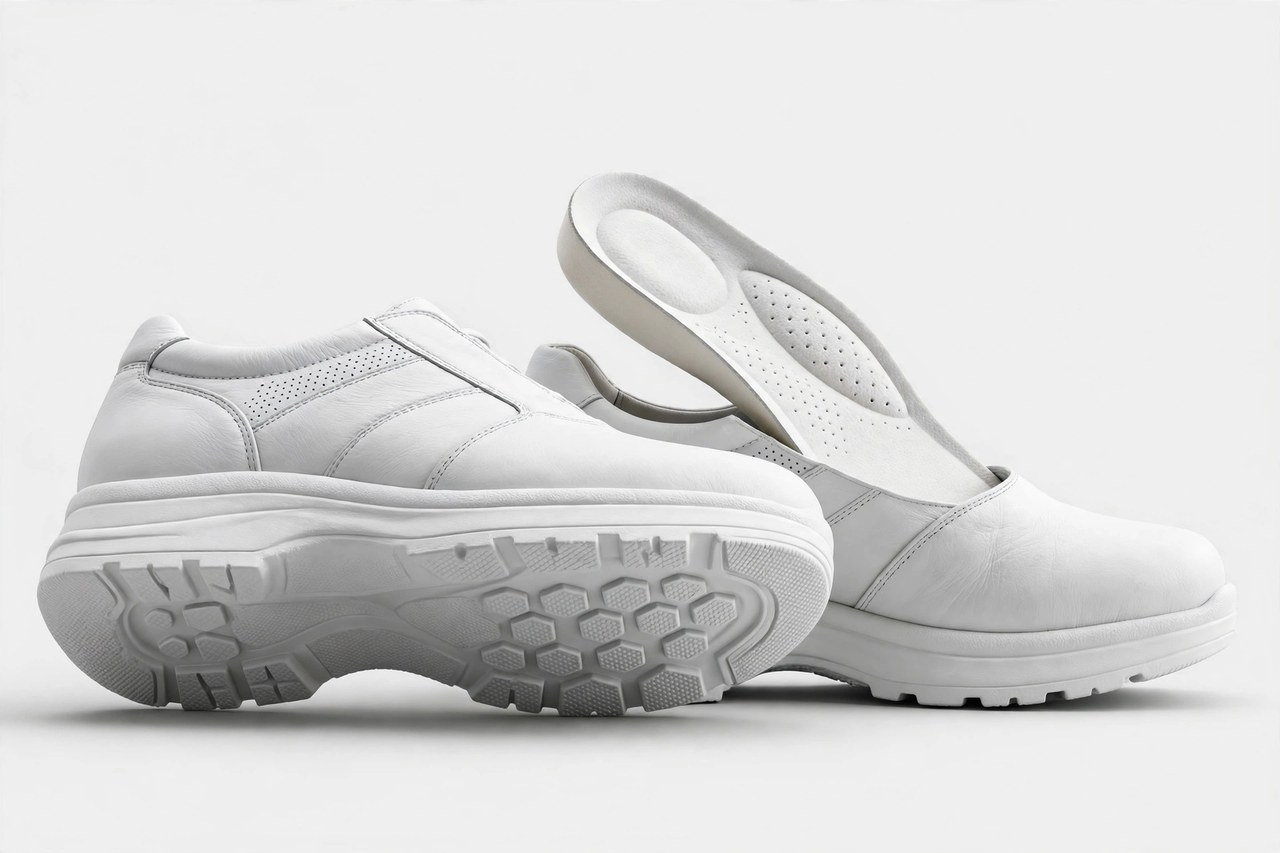
Shoes are a type of footwear — and within medical footwear, shoes are their own distinct family. Where clogs slip on and off with an open or molded back, medical shoes close around the whole foot: laced or slip-on uppers, an enclosed heel, and a structured fit that stays put through hurried corridors and long procedures. Our broader medical footwear guide compares all three families — clogs, shoes, and sneakers — while this page stays focused on shoes alone.
Why choose them? Security, support, and polish. A closed shoe protects the heel as well as the toes, laces let you tune the fit through a swelling-prone twelve-hour shift, and leather uppers present the traditional, professional look many facilities still prefer. For clinicians who want footwear that behaves like a proper shoe — supportive, protective, and easy to keep spotless — this is the category to shop carefully.
Leather Uppers & Closed-Toe Construction
Leather is the signature material of the medical shoe, and for good reason. Full-grain and treated leathers wipe clean in seconds, resist absorbing spills, and hold their shape for years of daily wear. Look for smooth, sealed finishes rather than suede or nubuck, which drink in fluids and stain permanently. A padded collar and tongue prevent rubbing, and quality stitching at flex points predicts longevity.
Construction details separate clinical shoes from fashion shoes in scrubs colors. The toe is fully enclosed — a non-negotiable in patient-care areas, guarding against dropped instruments, sharps containers, and rolling equipment. The heel is enclosed too, unlike a clog's open back, so the shoe cannot slip off mid-stride or on stairs. Lace-up models offer the most adjustable fit; slip-on shoes with elastic gores trade a little security for speed. Either way, the fit should feel locked at the heel with wiggle room at the toes.
Slip-Resistant Outsoles
The outsole is where a medical shoe earns its keep. Hospital and clinic floors see water, saline, gel, and cleaning solution daily, and a standard street sole skates on all of them. Clinical outsoles use soft rubber compounds molded with multidirectional tread — siping and channels that push liquid out from underfoot and keep rubber in contact with the floor. Some brands publish test results against recognized slip-resistance standards; treat those numbers as a genuine buying signal, not marketing.
Tread is a wear item, so plan for its lifespan. Check soles monthly: when the pattern smooths out at the ball and heel, grip is gone even if the uppers look new. Avoid deep lugs meant for trails, which trap debris and track contaminants between rooms; flat, dense clinical tread cleans easier and grips wet tile better. Oil resistance matters in surgical and food-adjacent areas. When you can slide the sole across a wet floor by hand pressure, the pair retires from clinical duty.
Support & Insoles for Long Shifts
A medical shoe's midsole decides whether your feet ache at hour four or hour twelve. Look for genuine arch support built into the footbed — not a flat foam liner — with enough structure to keep the arch from collapsing under hours of standing. Cushioning should be firm-responsive rather than marshmallow-soft; overly soft foam bottoms out and destabilizes the ankle. A slight heel lift and a stable heel counter reduce calf and Achilles strain for staff who stand more than they walk.
Upgrade the insole before you upgrade the shoe. Many clinical shoes ship with removable footbeds precisely so you can substitute a supportive aftermarket insole or a custom orthotic. Fit shoes at the end of a shift-day, when feet are at their largest, wearing your work socks; leave a thumb's width beyond the longest toe. Break new pairs in over short shifts, and alternate with a second pair so cushioning recovers between wears.
Cleaning & Caring for Leather Shoes
Leather's great clinical virtue is how completely it cleans. Wipe uppers down after messy shifts with a damp cloth and mild soap, working solution out of seams and lace eyelets where contaminants collect. Disinfectant wipes formulated for footwear are safe on most sealed leathers; test any new cleaner on a hidden spot first. Never soak leather shoes or machine-wash them — saturation destroys adhesives, warps the shape, and cracks the finish as it dries.
Weekly care keeps pairs serviceable for years. Condition leather lightly to prevent drying and surface cracking, stuff shoes with paper or cedar trees to hold shape and absorb odor, and air them in a ventilated spot away from radiators — direct heat cooks leather. Wash or replace insoles regularly, since odor lives there more than in the upper. Deodorizing sprays and a baking-soda overnight help between deep cleans. Retire shoes when soles smooth out, uppers crack, or midsoles compress unevenly — a spotless, supportive shoe is part of the uniform.
Related Women's Guides
Photos

More to Explore on Apparel Search
Looking for Women's Clothing Stores?
This guide helps you choose women's medical shoes. To browse where to buy, visit our women's clothing store directory, where you can find retailers that carry them.