Women's Trousers Guide
Women's trousers are full-length leg garments with a waistband, fly or pull-on closure and two separate legs, in cuts from tailored straight and wide-leg to tapered, cropped and casual styles.
Shop Women's Trousers Now
Shop Women's Trousers on Amazon Shop Women's Trousers on eBayThe Amazon and eBay links on this page are affiliate links. If you make a purchase through them, Apparel Search may earn a commission.
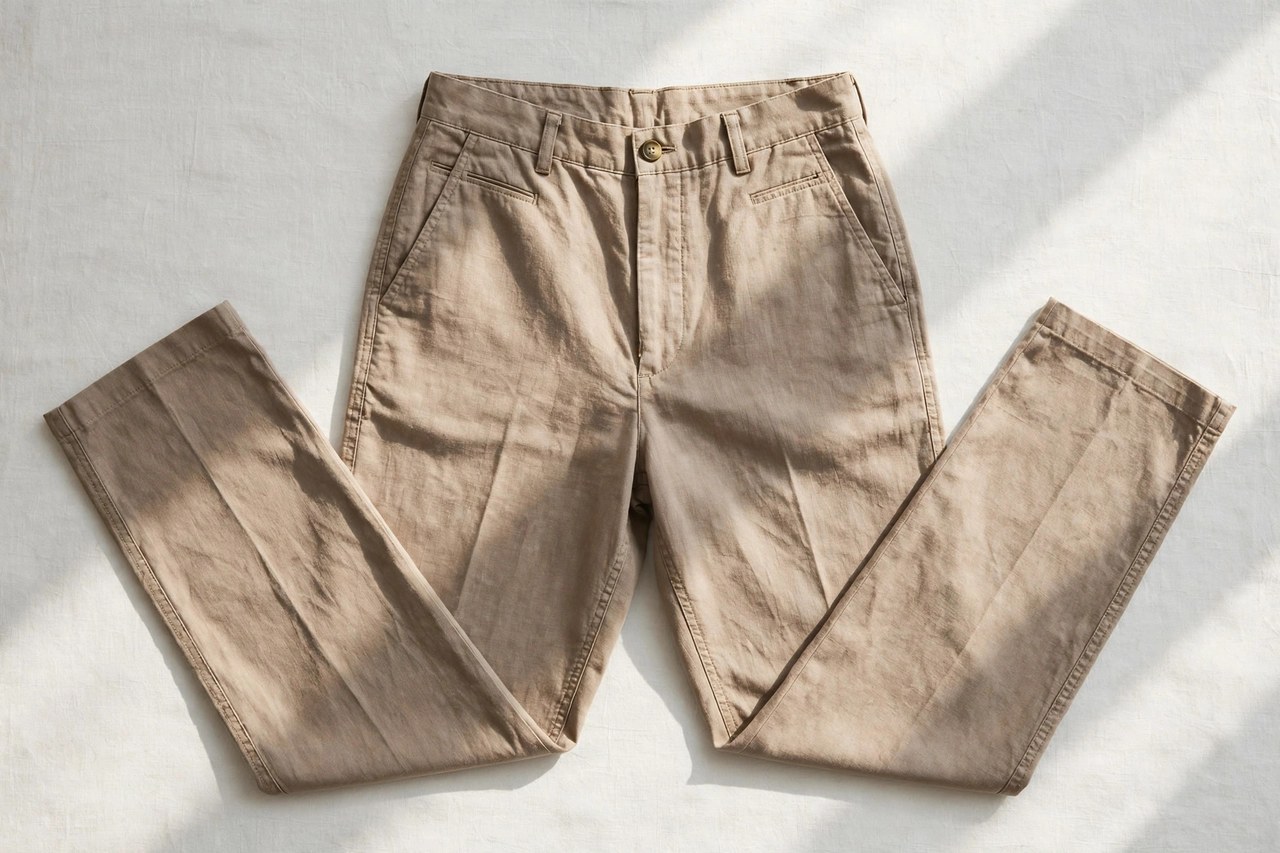
Women's trousers are full-length leg garments with a waistband, fly or pull-on closure and two separate legs, in cuts from tailored straight and wide-leg to tapered, cropped and casual styles. Rise, inseam and leg shape are the three measurements that define any pair, and this guide builds from them: front-rise styles, pocket and waistband construction, trouser fabrics from suiting wool to denim-adjacent twills, and alteration points.
This guide covers trousers in the order a careful buyer needs it: what the product is made from, how it is constructed, how it should fit, how to choose it for real use, and how to care for it so it lasts. Apparel Search has published guides to women's clothing for decades, and this rebuilt page keeps the subject focused — measurable details, named materials and checks you can perform in a shop or on a parcel's arrival, rather than general fashion language.
Fabrics and Construction
Trousers in the trousers family span suiting wool and wool blends, cotton twill and chino cloth, linen, corduroy, denim-weight fabrics worn as trousers, and crepe and ponte knits for pull-on styles. Fabric weight and weave decide the trouser's season and formality: a smooth fine suiting dresses up, a brushed cotton twill dresses down, and elastane at one or two percent adds comfort without turning the garment into leggings.
Construction concentrates at the waistband and the seat. A good waistband is interfaced or curtained so it cannot roll, closures combine a fly zip with a hook, bar or button that takes the strain off the zip, and pockets are bagged in smooth cloth deep enough to use. The front rise measurement — waistband to crotch seam — predicts comfort sitting and standing better than the size label does, and it is comparable across brands. Inside, seam allowances generous enough to let out, and a hem finished so it can be lengthened, mark the trousers built to be altered and kept.
Fit and Sizing
Fit trousers by the three defining measurements: waist at the point the rise places the band, front rise from waistband to crotch seam, and inseam to the intended shoe. Rise is the comfort measurement — too low binds sitting, too high folds standing — and leg shape, from tapered to wide, is a proportion choice that should be judged full-length in a mirror with the shoes the trousers will meet, since hem break changes the whole line.
Judge the fit sitting and walking, not standing at the mirror. The waistband should stay in place without a belt doing structural work, the seat should be smooth without strain lines or surplus folds, and the front should lie flat when seated. Sizes vary enough between brands that the tape measure outranks the label, and tailoring alterations — waist in, hem to length — are a normal, budgeted part of buying trousers well rather than a sign of failure.
Choosing and Wearing
Choose trousers by role in the wardrobe. A tailored pair in a mid-tone wool is the formal anchor, cotton twills carry the casual week, and the wisest purchases fill the gap your existing tops, shoes and jackets actually present. Pocket style, belt loops and hem finish — cuffed, plain, cropped — are the details that set a pair's register, and they are visible in product photographs, which makes trousers one of the safer categories to buy online once rise and inseam are known.
Value in trousers is predictable from specification. In practice, rank these checks in the order your own use demands — frequency of wear first, then weather, washing facilities and budget — because that order differs by wardrobe, and it is the real reason two careful buyers can correctly choose differently from the same rail. Fabric weight, waistband construction and alteration allowance explain most of the price spread, and a pair that can be let out, lengthened and repaired repays a higher ticket across years. Keep a record of the rise and inseam of the best-fitting pair you own: those two numbers, carried from brand to brand, remove most of the guesswork from every future purchase.
Care and Storage
Care follows fabric: cotton and synthetic trousers machine-wash cool, inside out to protect the finish, and wool suiting rests and airs between wears with dry cleaning kept occasional. Pressing restores a trouser's crease and line — press along the established crease with a cloth, or have it done — while a crease pressed in the wrong place is nearly permanent, so align seams carefully before the iron touches cloth.
Hang trousers by the hem or folded over a bar hanger so the weight keeps them straight, store them clean and rested in rotation, and attend early to the wear points: the inner thigh, the hem where it meets shoe heels, and pocket mouths. These are the places trousers die, and reinforcement or repair at the first sign of thinning costs little compared with the garment. A trousers wardrobe rotated and rested measurably outlasts one worn in daily sequence.
Related Women's Guides
More to Explore on Apparel Search
Looking for Women's Clothing Stores?
This guide helps you choose women's trousers. To browse where to buy, visit our women's clothing store directory, where you can find retailers that carry them.