Women's Umbrellas Guide
An umbrella is a portable rain canopy: fabric stretched over folding ribs radiating from a central shaft, with a handle below and a runner that slides to open and close the canopy.
Shop Women's Umbrellas Now
Shop Women's Umbrellas on Amazon Shop Women's Umbrellas on eBayThe Amazon and eBay links on this page are affiliate links. If you make a purchase through them, Apparel Search may earn a commission.
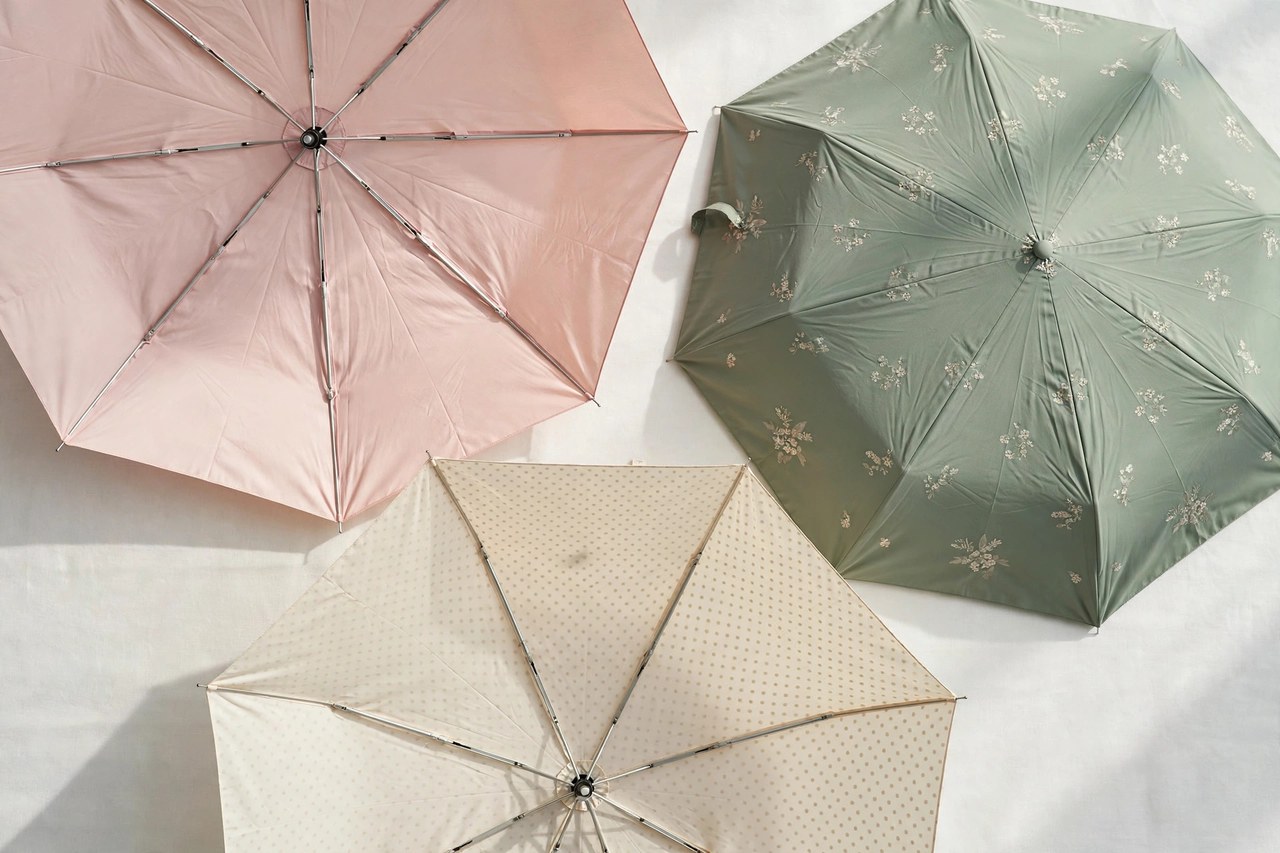
An umbrella is a portable rain canopy: fabric stretched over folding ribs radiating from a central shaft, with a handle below and a runner that slides to open and close the canopy. This guide treats the umbrella as a constructed product rather than an impulse purchase: canopy diameter and arc, rib material, shaft construction and opening mechanism decide coverage, wind behaviour and service life.
This guide covers umbrellas in the order a careful buyer needs it: what the product is made from, how it is constructed, how it should fit, how to choose it for real use, and how to care for it so it lasts. Apparel Search has published guides to women's clothing for decades, and this rebuilt page keeps the subject focused — measurable details, named materials and checks you can perform in a shop or on a parcel's arrival, rather than general fashion language.
Canopy, Ribs and Shaft
An umbrella's canopy fabric is almost always polyester or nylon pongee, chosen because it sheds water, dries fast and takes a water-repellent finish; better canopies use denser weaves and double-layer vents near the crown that let gusts escape instead of inverting the canopy. Canopy size is given as arc diameter, and the fabric's job is only half the product — underneath it, the frame decides everything about strength.
Frames divide by rib material: steel is strong and cheap but rusts and weighs more, aluminium is light, and fibreglass flexes in wind instead of snapping, which is why better windproof umbrellas use fibreglass ribs with reinforced joints. Coverage is measured by arc diameter, not by the straight line across a closed canopy: a 42-inch arc shelters one person, while 48 inches and above is the honest starting point for two. Shafts are steel, aluminium or carbon fibre on premium compacts, and the runner, tips and ferrule should all be metal or dense moulded plastic on any umbrella expected to last.
Size, Coverage and Mechanisms
Size an umbrella by the people and the place: compact folding umbrellas with arcs around 38 to 42 inches suit one person and a crowded pavement, full-length stick umbrellas at 48 inches and above shelter two, and oversized golf umbrellas trade portability for maximum cover. Weight matters in the same decision, because an umbrella left at home for its weight gives no cover at all.
Opening mechanisms are the other fit decision. Manual umbrellas are lightest and simplest; automatic open models spring at a button press, useful with hands full; auto open-and-close models add convenience at the cost of weight and more moving parts to fail. Handles divide into crook handles that hang over an arm or hook, and straight handles that pack flatter — choose by how the umbrella will actually be carried.
Choosing for Weather and Use
Choose umbrellas by measurable criteria in a fixed order: canopy arc for the coverage needed, frame material for the wind it will meet, mechanism for how it will be used, and only then colour and pattern. A vented double canopy is the single most valuable feature in exposed places, and a dark canopy with a light underside is a small but real comfort in bright showery weather. In practice, rank these checks in the order your own use demands — frequency of wear first, then weather, washing facilities and budget — because that order differs by wardrobe, and it is the real reason two careful buyers can correctly choose differently from the same rail.
Judge price by specification: rib material and count, canopy fabric density, mechanism quality and handle construction explain the spread from a disposable emergency umbrella to a decade-long companion. Test any umbrella in the shop if you can — open and close it fully, check the runner locks firmly, and look along each rib for straightness, because a frame fault shows before the first rain does.
Drying, Care and Storage
Dry an umbrella open, or loosely furled, in moving air before storing it: storing one wet and tightly closed mildews the canopy and rusts steel parts within days. Shake off surface water on arrival, leave the umbrella open in a hallway or bath until the canopy feels dry, then close it loosely without forcing the folds.
Clean a canopy with lukewarm water and mild soap, never machine washing, and re-proof an older canopy with a fabric water-repellent spray when rain stops beading. Store umbrellas dry, out of direct sunlight, and retire one when ribs bend out of true or the runner stops locking — a frame that will not stay open has finished its service however good the fabric looks.
Related Women's Guides
More to Explore on Apparel Search
Women’s Clothes Guide by Letter: Women's Clothes Directory T · Women's Clothes Directory V · Women's Clothes Directory W · Women's Clothing Directory X · Women's Clothes Directory Y · Women's Clothes Directory Z
Looking for Women's Clothing Stores?
This guide helps you choose women's umbrellas. To browse where to buy, visit our women's clothing store directory, where you can find retailers that carry them.