Women's Used Wedding Dresses Guide
A used wedding dress is a pre-owned bridal gown sold for re-wear, ranging from once-worn current-season gowns to vintage dresses decades old, in silk, satin, lace and tulle constructions.
Shop Women's Used Wedding Dresses Now
Shop Women's Used Wedding Dresses on Amazon Shop Women's Used Wedding Dresses on eBayThe Amazon and eBay links on this page are affiliate links. If you make a purchase through them, Apparel Search may earn a commission.
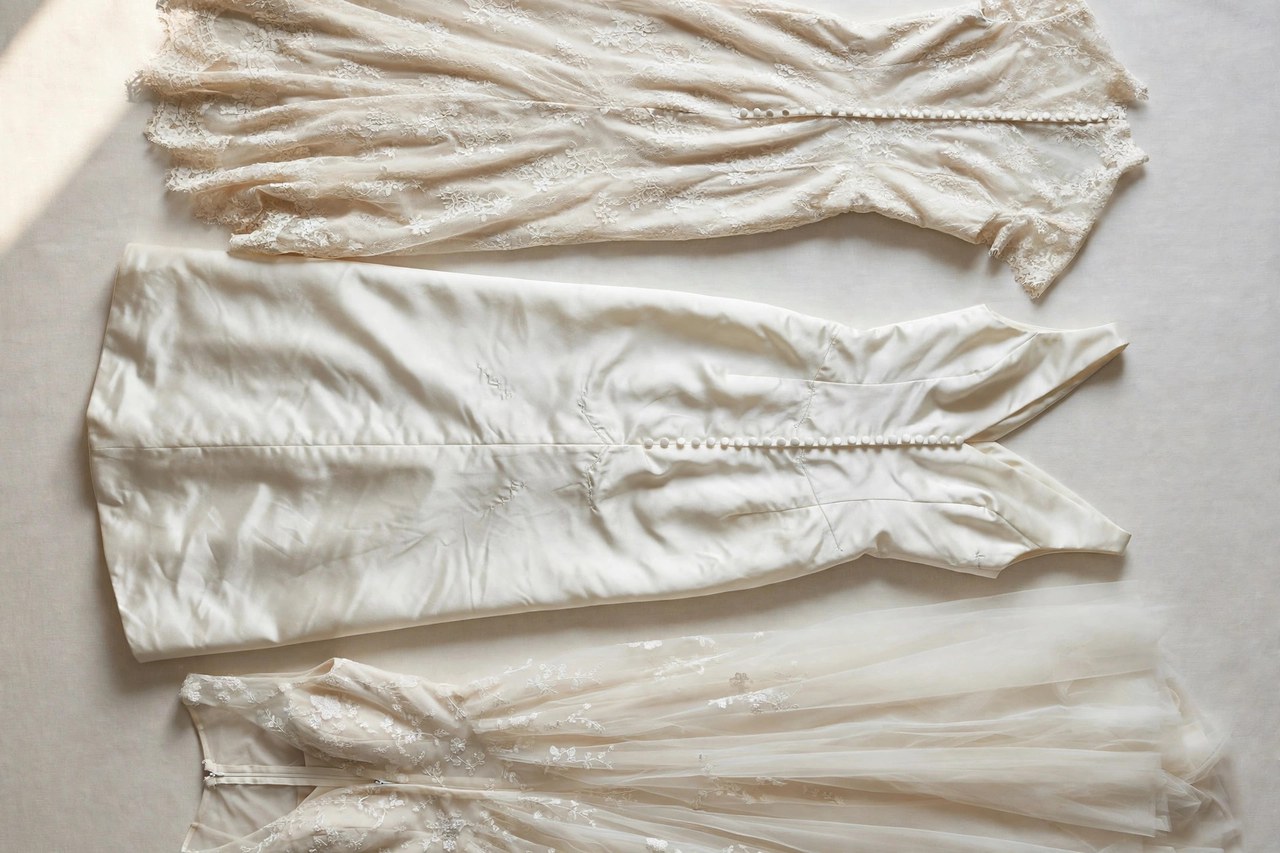
A used wedding dress is a pre-owned bridal gown sold for re-wear, ranging from once-worn current-season gowns to vintage dresses decades old, in silk, satin, lace and tulle constructions. Buying used is a condition-and-alteration decision, and this guide covers it in those terms: how to read a condition description, which flaws alterations can and cannot fix, sizing against bridal's non-standard scales, cleaning, and storage before the day.
This guide covers used wedding dresses in the order a careful buyer needs it: what the product is made from, how it is constructed, how it should fit, how to choose it for real use, and how to care for it so it lasts. Apparel Search has published guides to women's clothing for decades, and this rebuilt page keeps the subject focused — measurable details, named materials and checks you can perform in a shop or on a parcel's arrival, rather than general fashion language.
Fabrics, Construction and Condition
Used wedding dresses span every bridal fabric: silk satin, mikado and crepe for structured gowns, lace over satin or tulle for romantic styles, chiffon and organza for light ones, usually with boned bodices, layered skirts and linings that are part of the construction. In a pre-owned gown the fabric question becomes a condition question: silk yellows and weakens with age and light, synthetics keep colour but hold odours, and lace snags and tears at its edges.
Read a used gown's construction as an alteration map. Seam allowances inside the bodice and side seams show how far the dress can be let out — often an inch or two in modern gowns, less in vintage ones — while hems show how much length can be recovered or must be worked around. Bridal sizing runs roughly two sizes smaller than everyday dress sizing, and a used gown's listed size is meaningless without its measured bust, waist and hip figures. Boning, cups and internal corseetry should be checked for bending, rust marks and broken channels, because replacing them is specialist work.
Bridal Sizing and Alterations
Fit a used dress by its measurements, never its label: bridal sizes run small against everyday sizing, a used gown may already have been altered away from its label entirely, and vintage sizes belong to another era's scales. Ask for measured bust, waist, hip and hollow-to-hem figures, compare them with your own measured in similar undergarments and heels, and allow a seamstress's judgement on the difference.
Budget alterations into the purchase from the start: taking in is routine, letting out depends on allowance, hemming a multi-layer or lace hem is skilled work, and cleaning before or after alteration is a real cost. A used gown is good value when dress plus cleaning plus alterations still sits well below the same gown new — do that arithmetic before falling for the headline price.
Buying Used with Confidence
Choose used wedding dresses by measurable criteria in a fixed order: measurements against your own, condition graded honestly — worn once and professionally cleaned is the strongest category — alteration potential in the seams, and only then style preference. Ask what cleaning has been done, how the dress has been stored, and whether accessories like veils or belts are included. In practice, rank these checks in the order your own use demands — frequency of wear first, then weather, washing facilities and budget — because that order differs by wardrobe, and it is the real reason two careful buyers can correctly choose differently from the same rail.
Inspect in person or by detailed photographs: underarms and hem for marks, lace edges for tears, beading for losses, zips and buttons for function, and the inside of the bodice for perspiration damage that outside photos hide. Buy the seller's evidence, not the story — a dress with a cleaning receipt, measurements and clear flaw photographs is a lower-risk purchase than a cheaper dress described in adjectives.
Cleaning and Storage Before the Day
Have a used gown professionally cleaned by a bridal specialist before alteration if it carries marks, or after purchase if storage since its last clean is unknown, and keep it in a breathable garment bag away from light in the meantime — never sealed in plastic, which traps moisture against the fabric.
Store the dress hung by its internal loops on a padded hanger, or boxed in acid-free tissue if the weight of its skirt would strain the shoulders, and try it with shoes and undergarments early enough for final alterations to be unhurried. After the wedding, the same specialist cleaning and acid-free boxing preserves the gown for resale or keeping — the cycle this dress has already proved it can survive.
Related Women's Guides
More to Explore on Apparel Search
Women’s Clothes Guide by Letter: Women's Clothes Directory T · Women's Clothes Directory V · Women's Clothes Directory W · Women's Clothing Directory X · Women's Clothes Directory Y · Women's Clothes Directory Z
Looking for Women's Clothing Stores?
This guide helps you choose women's used wedding dresses. To browse where to buy, visit our women's clothing store directory, where you can find retailers that carry them.