Fashion Definitions — fashion history, brands and industry terms from Apparel Search
Fashion journalism is an umbrella term for all aspects of published fashion media. The most obvious examples are the fashion features in magazines and newspapers, but the term also includes books about fashion, fashion reports on television, and online fashion magazines, websites and blogs. The work of a fashion journalist is varied: writing or editing articles, helping to formulate and style a fashion shoot, researching and conducting interviews. Good contacts in the fashion industry, including photographers and designers, are essential. Fashion journalists are employed full time by a publication or work freelance, and are also referred to as fashion writers, fashion critics or fashion reporters.
The work of a fashion journalist can be quite varied. Typical work includes writing or editing articles, or helping to formulate and style a fashion shoot. A fashion journalist typically spends a lot of time researching and/or conducting interviews and it is essential that he or she has good contacts with people in the fashion industry, including photographers and designers.
Fashion journalists are either employed full time by a publication or are employed on a freelance basis.
Fashion journalists should join the fashion journalism group at the fashion industry network.
Fashion journalists are also sometimes referred to as fashion writers, fashion critics or fashion reporters.
Fashion Writers and Apparel Authors
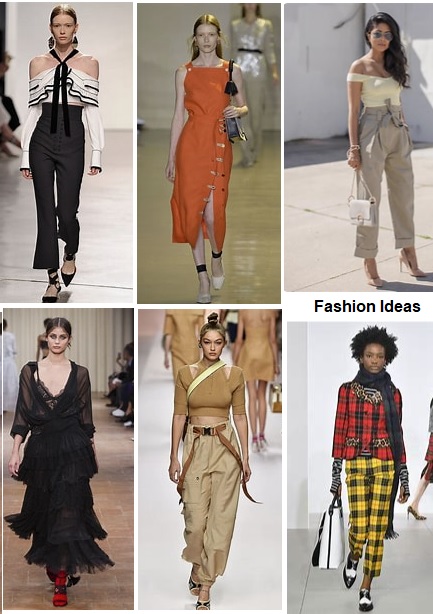
If you are a writer, you may be looking for good fashion ideas to write about. If that is the case, you may want to check out our fabulous fashion ideas page for inspiration.
Learn more about
fashion journalism.
The above article is licensed under the GNU Free Documentation License. From Wikipedia, the free encyclopedia https://en.wikipedia.org/wiki/fashion_journalism 2/20/07 Definition modified by Apparel Search Company.
Designer Definition (from U.S Department of Labor)
The First Fashion Blog
Clothing & Fashion Industry Definitions
Fashion journalism is defined by its breadth: an umbrella term for all aspects of published fashion media. The obvious core is the fashion features in magazines and newspapers — the articles, reviews and interviews through which most people follow fashion. Around that core the definition deliberately gathers the rest of the media landscape: books about fashion, fashion-related reports on television, and online fashion magazines, websites and blogs. The breadth matters because fashion itself is published in all those forms at once. The same collection is reviewed in a newspaper, photographed for a magazine, discussed on television, excerpted in a book and argued over on blogs, and the journalists producing those versions are doing related work with related skills, whatever their medium. Calling it one profession recognises that the subject — fashion — organises the work more than the platform does.
The work itself is more varied than the byline suggests. Typical work includes writing or editing articles — the visible product — and helping to formulate and style a fashion shoot, the visual product: deciding which clothes appear, in what combination, in which setting, so that photographs argue the same point as the text. A fashion journalist typically spends a lot of time researching and conducting interviews, which makes the job partly reporting: establishing what a designer intended, what a collection costs, who is wearing what and why it matters, from sources rather than from press releases alone. For that reason good contacts with people in the fashion industry, including photographers and designers, are essential. Access is the fashion journalist's capital. The front-row seat, the backstage interview and the early look at a collection all flow to journalists the industry trusts, and a publication's fashion coverage is only as good as its journalists' address books. Employment takes two forms: full time by a publication, or freelance — selling articles, shoots and criticism to several outlets, with the freedom and insecurity that arrangement always carries.
The three alternative names describe the job's three modes. As fashion writers, journalists produce features and description. As fashion critics, they judge: a review that finds a collection weak is criticism doing its proper work, and the credibility of fashion media depends on critics who will write it. As fashion reporters, they cover news — appointments, openings, shows and the business of the industry — to deadline. Most working fashion journalists perform all three modes in a single season, sometimes in a single week. The definition also points writers onward: anyone looking for subjects will find them across the fashion industry itself, its designers, trends, trade and history, all of which exist to be researched and interviewed about. Fashion journalism, in short, is the profession that turns an industry of images into a literature — the writing, editing, styling and reporting through which fashion explains itself to everyone who was not in the room.
The arrival of online fashion magazines, websites and blogs inside the definition marks the profession's most recent expansion. Digital publishing shortened fashion journalism's cycle from monthly or weekly to hourly, and multiplied its voices from staff writers to independent publishers, but the definition absorbs the new forms into the same umbrella rather than treating them as a different trade — the research, interviewing, styling and judging remain the work, at whatever speed the medium demands.
Fashion journalism is an umbrella term for all published fashion media: fashion features in magazines and newspapers, books about fashion, fashion reports on television, and online fashion magazines, websites and blogs.
Typical work includes writing or editing articles and helping to formulate and style fashion shoots. A fashion journalist spends much time researching and conducting interviews, and needs good contacts with photographers, designers and others in the industry.
Fashion journalists are also referred to as fashion writers, fashion critics or fashion reporters. They are employed full time by a publication or work on a freelance basis.