Childrenswear Sales Job Description
Selling children’s clothing lines to retail buyers — lines, seasons, size ranges and the long-term accounts behind them
Childrenswear sales is the wholesale selling of children’s clothing lines to the retail buyers who stock them. The salesperson represents one or more children’s clothing brands — a manufacturer, an importer or a licensing line — and sells each season’s range to department stores, children’s specialty chains and independent children’s shops. The buyers across the table are childrenswear specialists themselves, and the conversation is entirely about the product: the line’s styles, fabrics, price points and size ranges, and how well it will sell through in their stores.
More Sales & Selling Job Descriptions by Letter:
Presenting the Line and Writing Orders
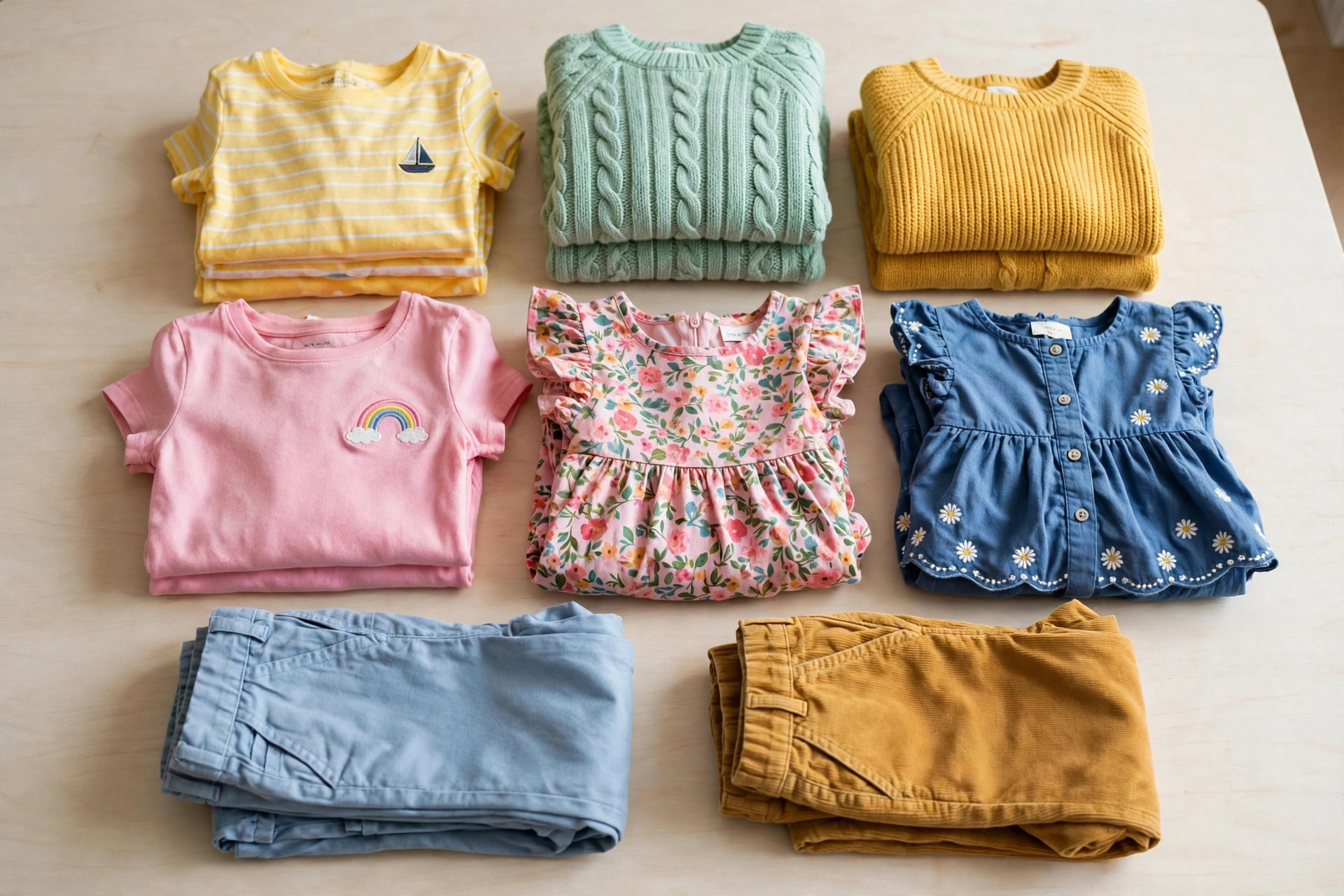
The selling season is the rhythm of the job. Several times a year the salesperson presents the new line — in a showroom, at market weeks and trade shows, or on the road at buyers’ own stores — walking the buyer through the range garment by garment: the groups and colour stories in the line, the fabrics and how they wash and wear, the opening price points and the margin the line offers, and the delivery dates the factory can hold. Samples are shown as products, on hangers and rails, with line sheets that carry style numbers, colours, sizes and wholesale prices.
A successful appointment ends in a written order: styles, quantities spread across the size range, delivery windows and terms. Childrenswear size ranges are wider than adult ones — a single style may run from infant sizes through toddler, boys’ and girls’ sizes to pre-teen — so order writing is exact work, and the salesperson checks every spread with the buyer before the order leaves the room. Errors in a size spread do not show up until delivery, when they are expensive for everyone.
Seasons, Sizes and the Product Knowledge the Job Requires
Children’s clothing sells on a calendar its salespeople must know cold. Back-to-school is the year’s biggest selling moment, holiday ranges are planned far ahead, and layette and gift purchases run all year. The salesperson advises buyers on that calendar — how much depth to put behind school ranges, when to take holiday deliveries, which styles carry over between seasons — and that advice, when it proves right, is what turns a first order into an account held for years.
Product knowledge in childrenswear is practical and specific: how fabrics behave in the wash, which constructions survive playground wear, how a brand’s sizing runs against its competitors, and the safety standards that govern children’s garments — drawstring rules, sleepwear flammability requirements and labelling — because buyers ask, and a salesperson who cannot answer accurately loses the room. None of this requires modelling or wearing the product; it is knowledge of garments as merchandise, of exactly the kind a good buyer respects.
Accounts, Reorders and Life on the Road
Between seasons, the work is account service. The salesperson tracks how the line is selling in each account — sell-through reports, the buyer’s own feedback, visits to stores to see the product on the rail — and writes the reorders and fill-ins that good sell-through earns. Problems are owned, not passed along: a late delivery, a quality complaint or a size run that sold unevenly lands first on the salesperson’s desk, and the credibility built by solving problems quickly is the real asset of a wholesale career.
Settings vary across the category. Some childrenswear salespeople are employed by a single brand and cover a territory or a set of key accounts; others are independent representatives carrying several non-competing lines, paid on commission, with a showroom as their base. Travel follows the account list — regional reps may drive their territory weekly, national account staff fly to buyer headquarters — and market weeks concentrate the season’s selling into intense showroom days.
Skills, Training and Career Path
Employers and brands look for selling experience with a product buyers can question you on, an organised territory mind, and the arithmetic of wholesale: margins, markups, discount and dating terms, and open-to-buy budgets. Many childrenswear salespeople arrive from retail children’s departments, from other wholesale lines, or from the buying side of the table, and product knowledge of the children’s market — its brands, price tiers and seasonal calendar — is learned on the job and at market.
Careers grow with the account list. A representative who builds a territory becomes a senior representative or key-account manager; employed salespeople move toward national sales management, running a brand’s whole wholesale effort; independent reps add lines and sometimes build multi-representative showrooms of their own. The durable skill underneath every step is the same: knowing a product range so well, and a buyer’s business so honestly, that the orders follow.
Common Questions
What does a childrenswear sales representative sell, and to whom?
Children’s clothing lines — the seasonal ranges of a brand, manufacturer or importer — sold wholesale to the childrenswear buyers of department stores, specialty chains and independent children’s shops, who then retail them in their stores.
Why do size ranges matter so much in childrenswear sales?
A children’s style may run from infant sizes through toddler and children’s sizes to pre-teen, so every order is a spread of quantities across many sizes. Getting the spread right with the buyer is core selling work — errors only surface at delivery, when they are costly to fix.
How are childrenswear salespeople paid?
Employed salespeople typically draw a salary, often with commission or bonus on their accounts. Independent representatives carrying several lines are usually paid commission on the orders they write, and run their territory as their own business.