Fabric & Textiles Sales Job Description
Selling fabrics and textiles to apparel manufacturers — mills, converters, greige and finished goods, minimums and lead times
Fabric and textiles sales is business-to-business selling one step earlier in the supply chain than garment sales: the salesperson sells cloth — woven and knitted fabrics from mills and converters — to the apparel manufacturers, brands and cut-and-sew factories that will turn it into clothing. The buyers are fabric purchasers, production managers and designers choosing materials for a season, the product is sold by the yard or metre off sample headers and swatch cards, and the sale is only the beginning: colour approval, bulk production, testing and delivery against a garment factory’s cutting date all have to follow through.
More Sales & Selling Job Descriptions by Letter:
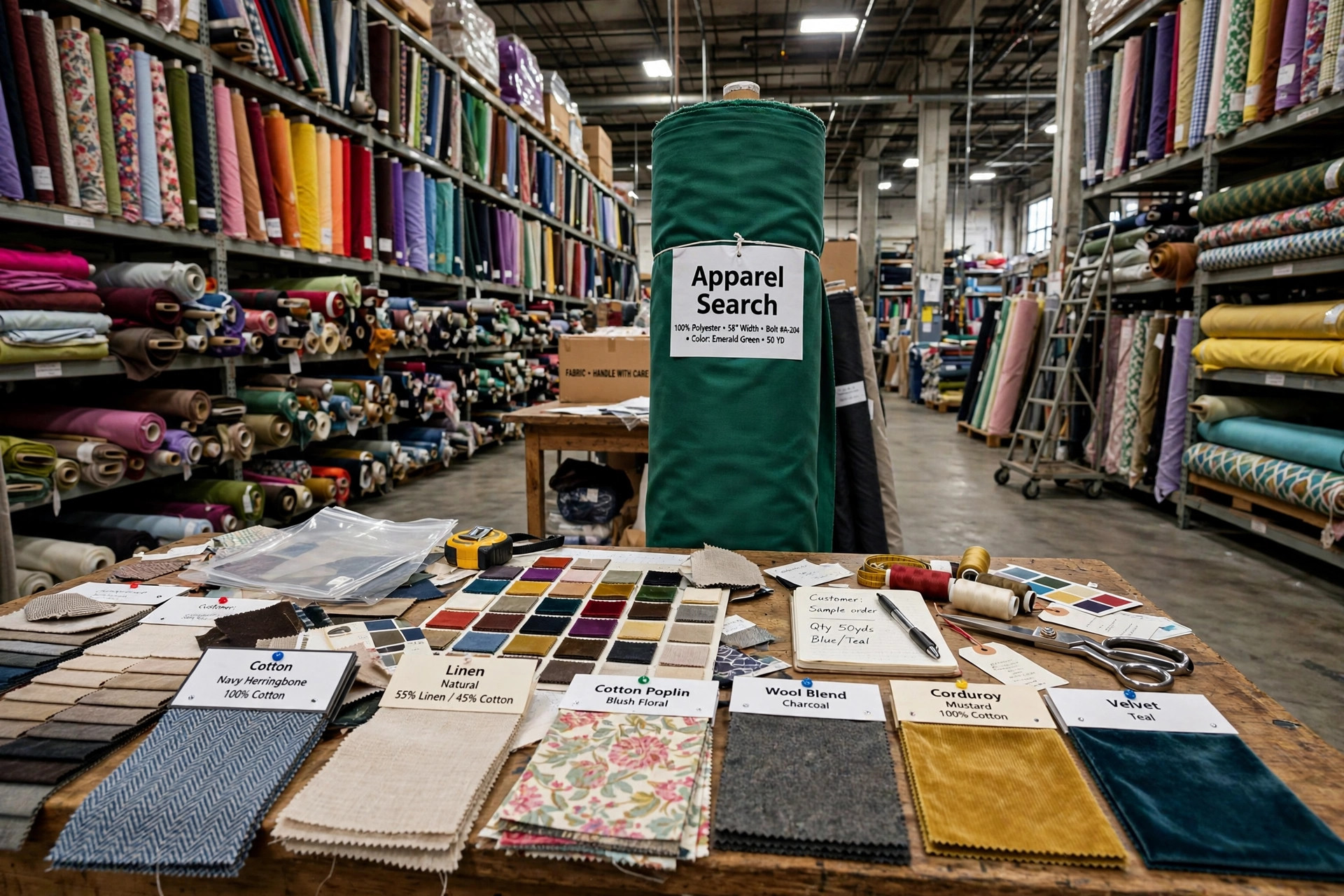
Mills, Converters and What Is Actually Being Sold
The supply side divides into mills, which weave or knit the fabric, and converters, which buy greige goods — unfinished cloth straight off the loom or knitting machine — and commission the dyeing, printing and finishing that turn them into saleable fashion fabrics. A fabric salesperson may represent a domestic mill, an overseas mill through an agency, a converter’s seasonal line, or a jobber selling stock lots, and the role reads differently in each seat: mill reps sell capacity and construction, converter reps sell colour, print and finish, and stock sellers sell immediacy.
The line itself is presented as headers and swatches organised by fibre, construction and end use: cotton poplins and denims, wool suitings, silk and silk-look qualities, jersey and fleece knits, performance and technical cloth. The salesperson carries the line to customers, works fabric fairs and mill weeks, and leaves sample yardage for the styles a customer is developing. Every fabric is quoted with its width, weight, composition, price per yard, minimum order and lead time — the numbers a manufacturer’s costing sheet is built on.
Greige Goods, Finished Goods, Minimums and Lead Times
Two kinds of commitment run through fabric selling. Greige goods are produced to stock or to forecast and finished to order, so a customer can secure a construction early and commit to colours later; finished goods are dyed, printed and ready, faster to ship but limited to what was finished. The salesperson explains which program a fabric sits in and what that means for the customer’s calendar, because a garment line planned around the wrong program misses its delivery window no matter how good the cloth is.
Minimums and lead times are the commercial heart of the role. Dye lots have minimum yardages, prints need screens or digital setup, and special finishes add weeks; a salesperson who quotes a minimum the mill will not honour, or a lead time that ignores the finishing queue, creates a production crisis three months later. Colour adds its own discipline: lab dips are submitted and approved before bulk dyeing, shade bands are agreed, and the salesperson chases approvals on both sides so bulk fabric matches the standard the garment was sold on. Testing — shrinkage, colourfastness, pilling, strength — is quoted, arranged and reported the same way.
Serving Manufacturers: Costing, Problems and Repeat Yardage
Fabric selling is repeat business. A manufacturer who cuts a fabric successfully reorders it season after season, sometimes for years, so the salesperson’s real product is reliability across those cycles: honest stock and production positions, early warning when a quality is being dropped or a mill slot is tight, and fast, straight answers when a delivery slips or a bulk shade arrives off standard. The salesperson sits in costing meetings where a few cents per yard decide whether a garment program exists at all, and defends the fabric’s value in cost-per-garment terms the customer can use.
The contrast with garment selling is instructive. A childrenswear or menswear salesperson sells finished styles to retail buyers for a season’s rail; a fabric salesperson sells an ingredient to a manufacturer, in yardage, against production dates, with technical specifications attached to every order. Sales cycles are longer, orders are larger and fewer, and the relationship is with a factory’s production calendar rather than a store’s selling floor — which is why mills and converters recruit for technical knowledge as much as for selling skill.
Skills, Training and Career Path
The role demands textile literacy a garment salesperson rarely needs: fibre properties, weave and knit constructions, dyeing and finishing routes, defect language — what a barré mark or a shade bar means for cutting — and the testing standards customers specify. Many fabric salespeople come up through textile technology, mill or converter merchandising, fabric purchasing on the manufacturer side, or garment production roles where fabric was their daily material. A textile degree helps; a reputation for accurate information helps more.
Careers grow from a territory or account list toward senior mill representation, national accounts with major manufacturers and brands, and sales management of a mill’s or converter’s whole line. Some experienced fabric salespeople become converters or jobbers themselves, buying greige goods and finishing them for their own customers. In every version, the durable asset is the same: manufacturers trust the salesperson who knows cloth, quotes honestly and answers the telephone when production is waiting.
Common Questions
What is the difference between greige goods and finished goods?
Greige goods are unfinished fabric straight from weaving or knitting, held ready to be dyed, printed and finished to order. Finished goods have completed those processes and are ready to ship, but only in the colours and finishes already produced.
Who buys from a fabric and textiles salesperson?
Apparel manufacturers, brands with their own production, and cut-and-sew factories. Their fabric buyers, production managers and designers purchase yardage against garment programs, working to the factory’s cutting dates and costing sheets.
Why do fabric orders have minimums and long lead times?
Dyeing, printing and finishing run in batches: a dye lot or a print setup costs the same whether it colours a short or a long run, so mills set minimum yardages, and finishing queues add weeks. Quoting both accurately is central to the salesperson’s job.