Daniel Hechter Spring Fashions
Spring Hechter — light tailoring and the season tennis made his own.
Spring is the season Daniel Hechter's signature was made for. The sporty casual wear he became known for — designed since 1962 to be wearable yet high-quality and creative, for a wide range of consumer groups — lightens naturally into spring tailoring, easy separates and the sporting register he pioneered: in 1971 he was one of the first designers to produce clothing ranges for skiing and tennis, and tennis is spring's own game. This page follows the spring strand of his record in this guide.
The Photos section gathers spring looks across the label's history, and the search routes in the references run Daniel Hechter spring fashion news, photo and video searches. Pair this page with the fall fashions page for the same principles at autumn weight, and with the collections page for both seasons filed together. His official website is linked in the references.

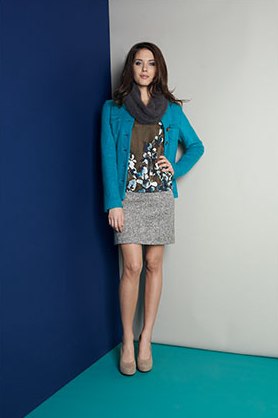
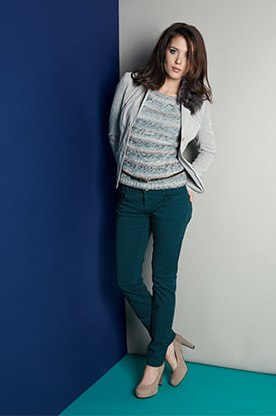
Illustrative image created for this guide — an artistic impression, not this designer's own garments.
News, Photos & VideoCollectionsFall FashionsFashion WeekNewsProfilesRunwaySpring Fashions
The Spring Register
Every label has a season that flatters it, and spring flatters a designer of movement. Freed from fall's layers, Hechter's clothes show their construction plainly: a light jacket's shoulder, a separate's clean line, sportswear's ease carried into day dress. The tennis strand gives the season its emblem — whites and sporting cuts designed for a court, worn far beyond it, exactly as his 1971 range proposed when designer sports clothing barely existed. Spring is where the breadth of his audience is easiest to see: the same collection system serves the office, the weekend and the club, because it was designed from the start for consumer groups plural.
The founding discipline holds the lightness together. Wearable, high-quality, creative — the three adjectives of 1962 are a spring checklist as much as a mission statement, and the spring collections pass it visibly: nothing too fragile to wear, nothing too plain to be his, nothing so specialized that its group could not find it among the label's seven collections.
Spring on the Calendar
His spring collections arrive through the calendar the fashion week page covers: presented in Paris, reviewed on the news page, and filed on the collections page. The spring showings also complete the year's sporting symmetry — the ski register that edges his fall collections answers, in spring, to tennis — a symmetry no other Paris label of his generation built so early or so deliberately.
Read with the runway page for the spring shows in sequence, and with the profiles page for the founding chronology — 1956, 1962, 1971, 1989 — that made the spring collections possible.
Photos
Common Questions
What characterizes Daniel Hechter spring collections?
His sporty casual wear at its lightest: light tailoring, casual separates and the tennis register — he was among the first designers to produce a tennis clothing range, in 1971 — under the founding goal of wearable, high-quality, creative fashion for a wide audience.
What separates Hechter spring from Hechter fall?
Spring lightens everything — fabric, layering and mood — while the fall fashions page in this series shows the same principles at autumn weight, with the ski season at its edge. The collections page holds the shared view.
Where do his spring collections sit in the label's story?
Within the international label of seven collections built from the 1962 Paris boutique — the spring strand is where the sporting side of his signature, present since the 1971 ski and tennis ranges, shows most naturally.
More to Explore
References & Further Reading
- Daniel Hechter Spring Fashion Search
- Daniel Hechter Spring Fashion News
- Daniel Hechter Spring Fashion Photos
- Daniel Hechter Spring Fashion Videos
- Daniel Hechter Spring Fashion
- Daniel Hechter Spring Fashion News
- Daniel Hechter Spring Fashion Images
- Daniel Hechter Spring Fashion Video
- Daniel Hechter official website
- Fashion Models