Diane von Furstenberg Fall Fashions
Fall at full weight — the signatures in heavy cloth, deep color and layers.
Fall is the season of full weight, and the fall collections of Diane von Furstenberg show the designer's signatures under autumn conditions: printed jersey wrap dresses, chain-link and floral prints, and fluid day-to-evening separates, translated into heavier cloth, longer lines and layers built for weather. Where spring proves a signature can be lightened without being lost, fall proves it can carry weight — coats, knits and evening pieces all speaking the same language. This page files the fall strand of the record in this guide.
The Photos section gathers fall looks across the collections, and the search routes in the references run Diane von Furstenberg fall fashion news, photo and video searches. Pair this page with the spring fashions page for the silhouette at its lightest, and with the collections page for both seasons held together. The designer's official website is linked in the references.
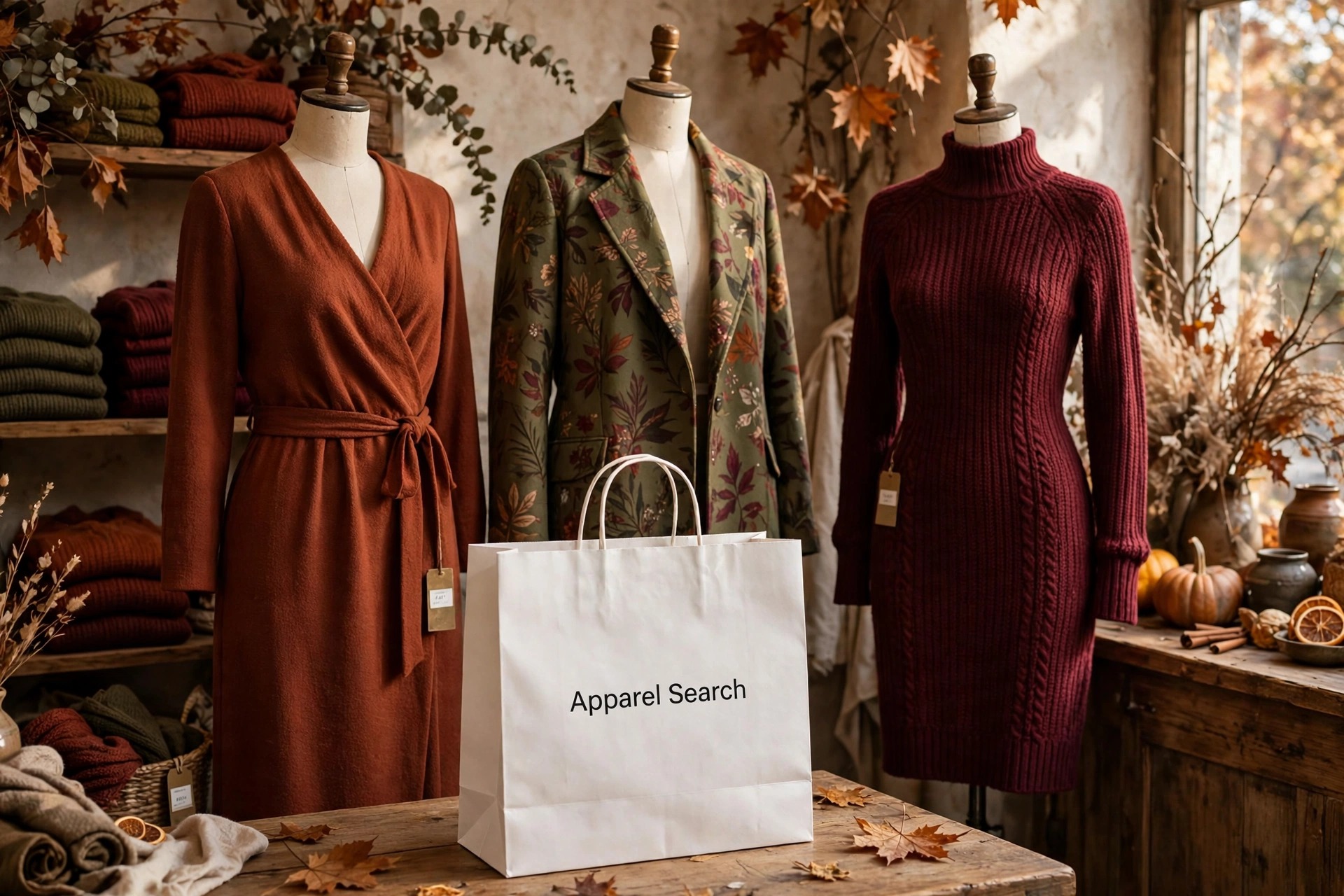
Illustrative image created for this guide — an artistic impression, not this designer's own garments.
News, Photos & VideoCollectionsFall FashionsFashion WeekNewsProfilesRunwaySpring Fashions
The Fall Register
Every designer has a register in which the signatures sit most naturally, and for Diane von Furstenberg the fall register is defined by substance: bold color and graphic chain prints and florals, sharpened against black and white, deepened for the season, and construction that has to perform — a wrap silhouette that ties at the waist, needs no complicated fastenings, and moves between the office and the evening without a change of clothes. Fall pieces are the wardrobe's working core, the clothes worn most days of the colder half of the year, and these collections treat that duty seriously: outerwear that finishes a look rather than covering it, knitwear and tailoring layered without bulk, and evening pieces that keep the signature legible under low light and heavy fabric alike.
Photographs of fall looks reward the same attention as the clothes themselves. A fall garment's quality lives in its weight and finish — how a seam sits under a coat's cloth, how a print survives being cut into a longer, layered silhouette. The imagery gathered here spans the fall collections across the years, so the strand can be read as a development: the signatures settled early, the handling refined season by season.
Fall on the Calendar
Fall collections arrive through the calendar the fashion week page in this series covers: presented in New York, reviewed on the news page, photographed on the runway page, and filed here. The rhythm is worth understanding — the fall shows happen long before the autumn they dress, so the coverage a reader meets in the news belongs to a season still months away, and this filed page is where that coverage settles into the record once the clothes reach wardrobes.
Read with the profiles page, the fall strand also completes a biographical arc: She arrived in fashion in 1972 with the wrap dress and had sold millions of the dresses by 1976. After a hiatus she relaunched the dress in 1997 and built the company into a global luxury lifestyle brand, with collections sold in over 55 countries and wearers from Michelle Obama to Gwyneth Paltrow. The fall collections are where that history meets the present tense of the wardrobe — the signatures a career built, doing the heaviest work of the fashion year.
Photos


Common Questions
What characterizes Diane von Furstenberg fall fashions?
The designer's signatures at autumn weight: printed jersey wrap dresses, chain-link and floral prints, and fluid day-to-evening separates, carried into heavier cloth, deeper color and layered construction.
How does fall differ from spring in this record?
Fall adds weight, layering and coverage to the same signatures; the spring fashions page in this series shows them at their lightest, and the collections page holds the shared view of both seasons.
When are the Diane von Furstenberg fall collections presented?
On the New York calendar covered by the fashion week page in this series — the fall shows are presented months ahead of the season they dress, and reviewed on the news page when they appear.
More to Explore
References & Further Reading
- Diana von Furstenberg Fall Fashion Search
- Diana von Furstenberg Fall Fashion News
- Diana von Furstenberg Fall Fashion Photos
- Diana von Furstenberg Fall Fashion Videos
- Diana von Furstenberg Fall Fashion
- Diana von Furstenberg Fall Fashion News
- Diana von Furstenberg Fall Fashion Images
- Diana von Furstenberg Fall Fashion Video
- Diane von Furstenberg official website