Apparel Search Consumer Guides
Nursing & Postpartum Clothing Guide
The after-baby wardrobe in clothing terms — what carries over from maternity wear, what nursing access means, and how to dress comfortably through the transition.
A maternity wardrobe is built for a body that changes month by month — and then, quite suddenly, the pregnancy is over and the wardrobe changes jobs. The clothes that carried you through nine months now have to work for a different life: days at home with a newborn, feeding around the clock, and a body that is settling into yet another shape. Some maternity pieces make that transition beautifully. Others were only ever bump clothes. And a whole category — nursing clothing, designed so you can feed a baby without undressing — only becomes relevant now.
This section covers the after-baby wardrobe in clothing terms: what carries over from the maternity rail, what nursing access actually means when you read it on a label, how to dress comfortably in the first weeks, and how the transition back to ordinary — and office — clothes works. For the pregnancy wardrobe itself, start with our maternity clothes guide, which covers every garment by trimester.
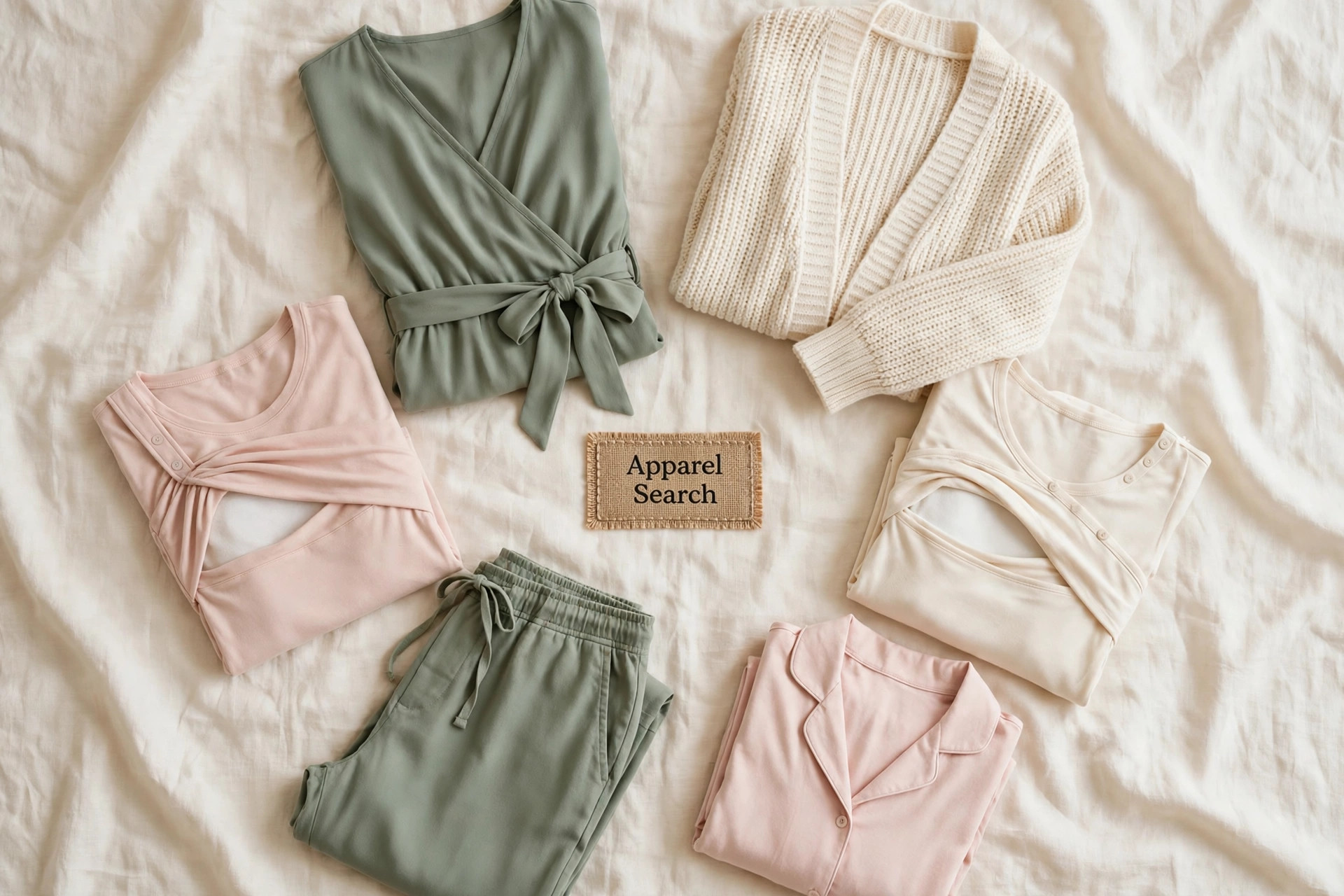
Search Apparel Search
The Guides in This Section
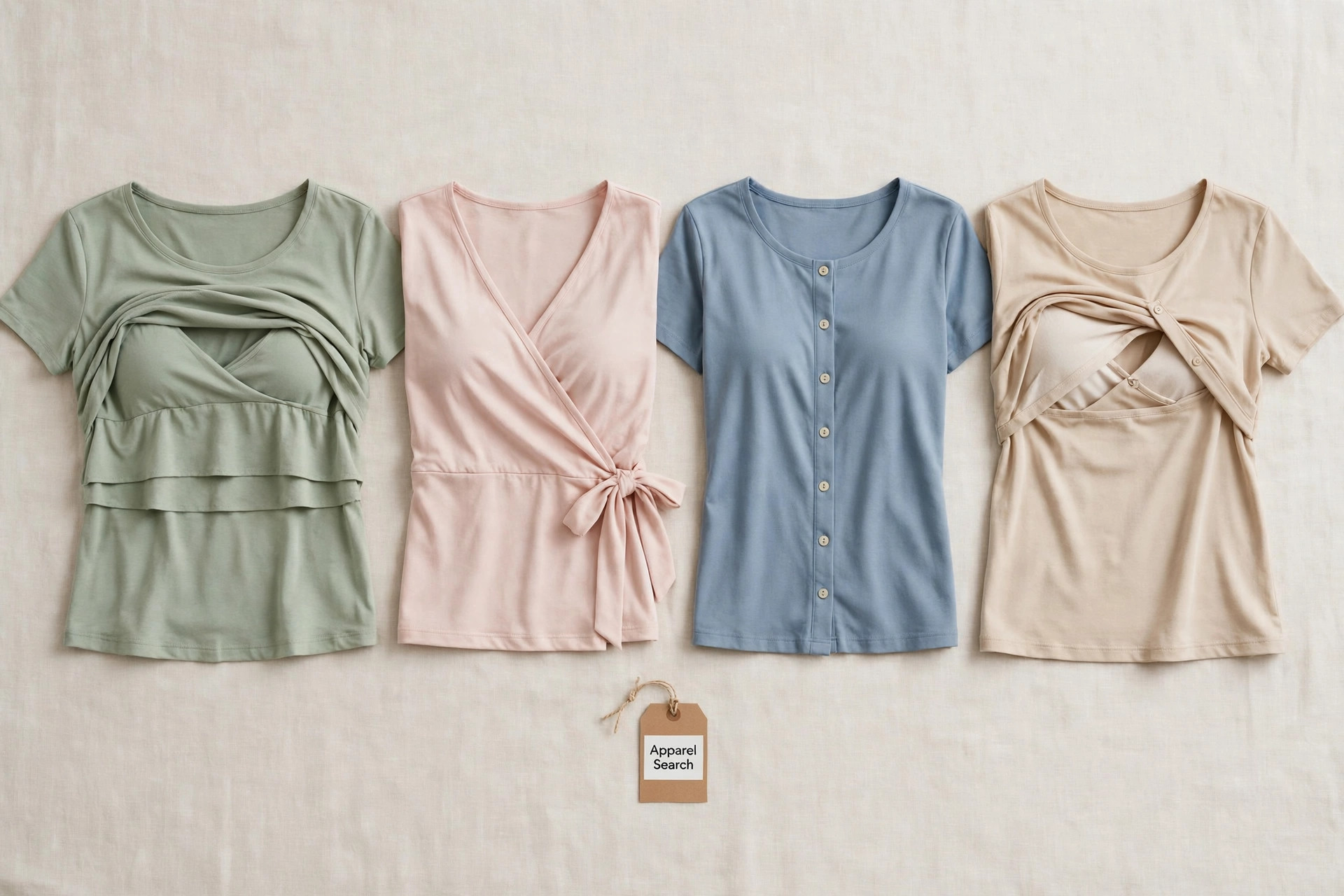 Nursing Clothing GuideWhat makes a piece nursing-friendly: lift-up panels, pull-aside fronts, drop-cup clips and hidden zips — and how to spot good access in a product description.
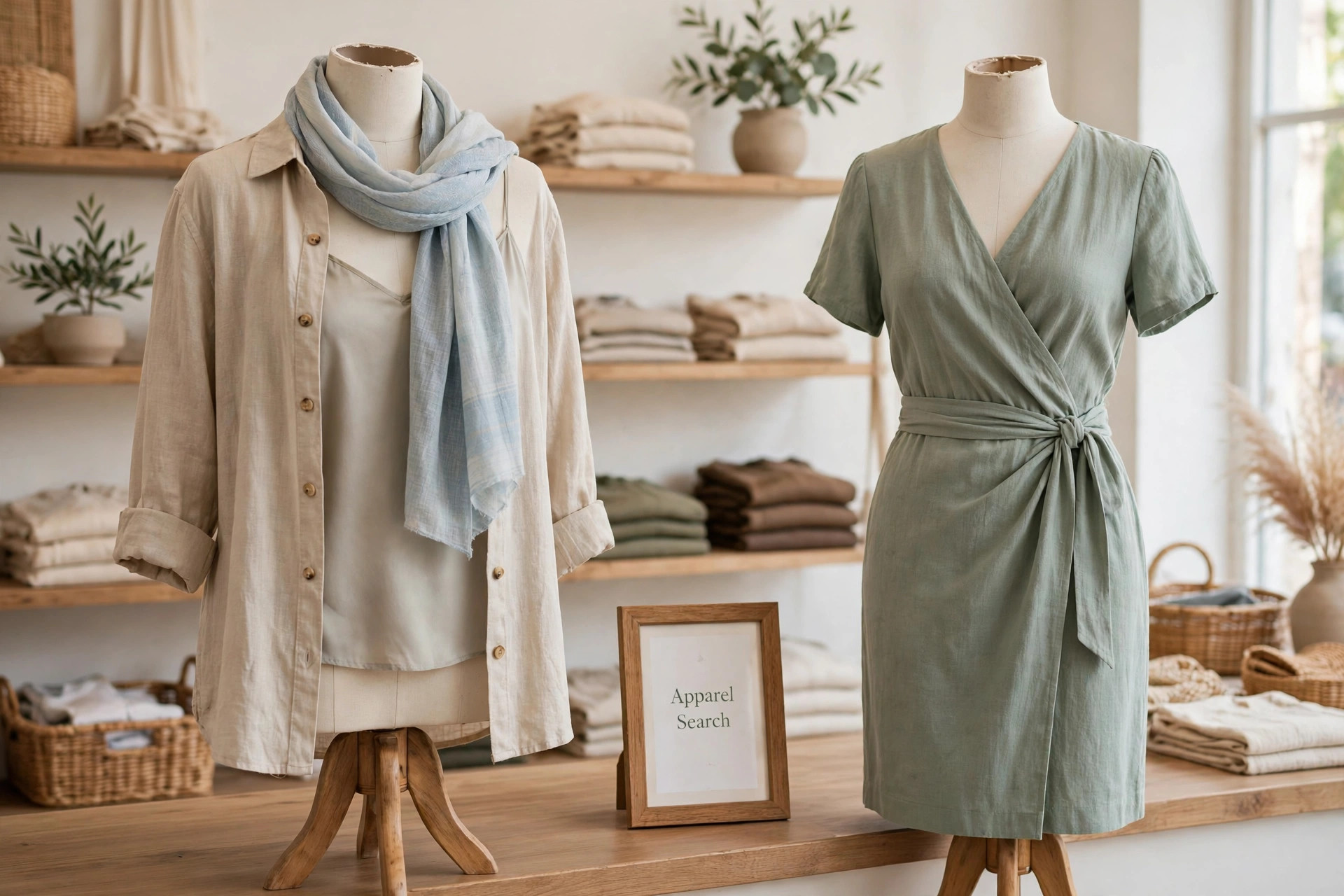 Breastfeeding-Friendly OutfitsOutfit formulas built from regular clothes — the two-piece advantage, useful layers, and the dress necklines and fronts that work.
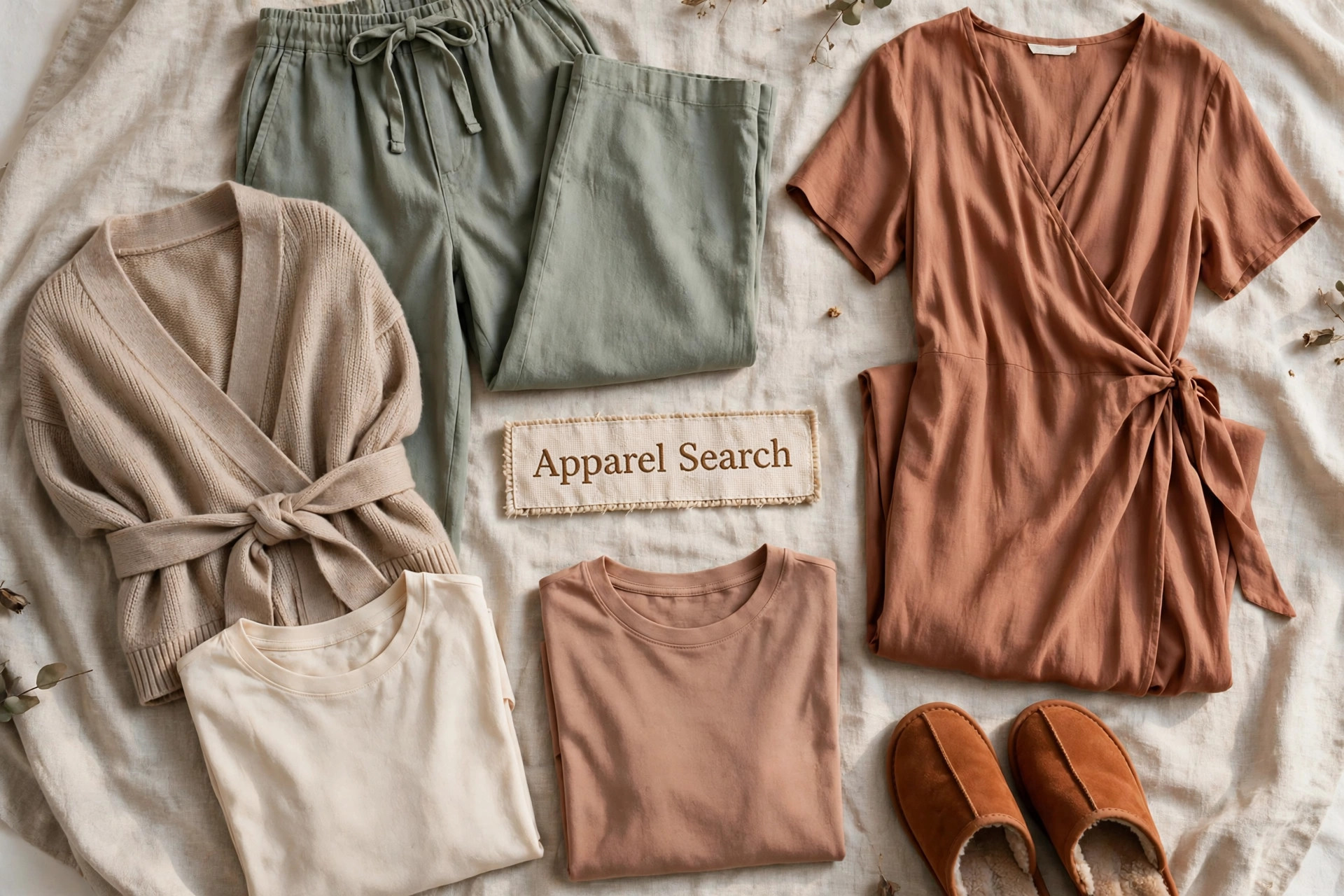 Postpartum Dressing GuideComfort-first dressing for the first weeks and months: forgiving waistbands, soft structure, and an easy route back to feeling dressed.
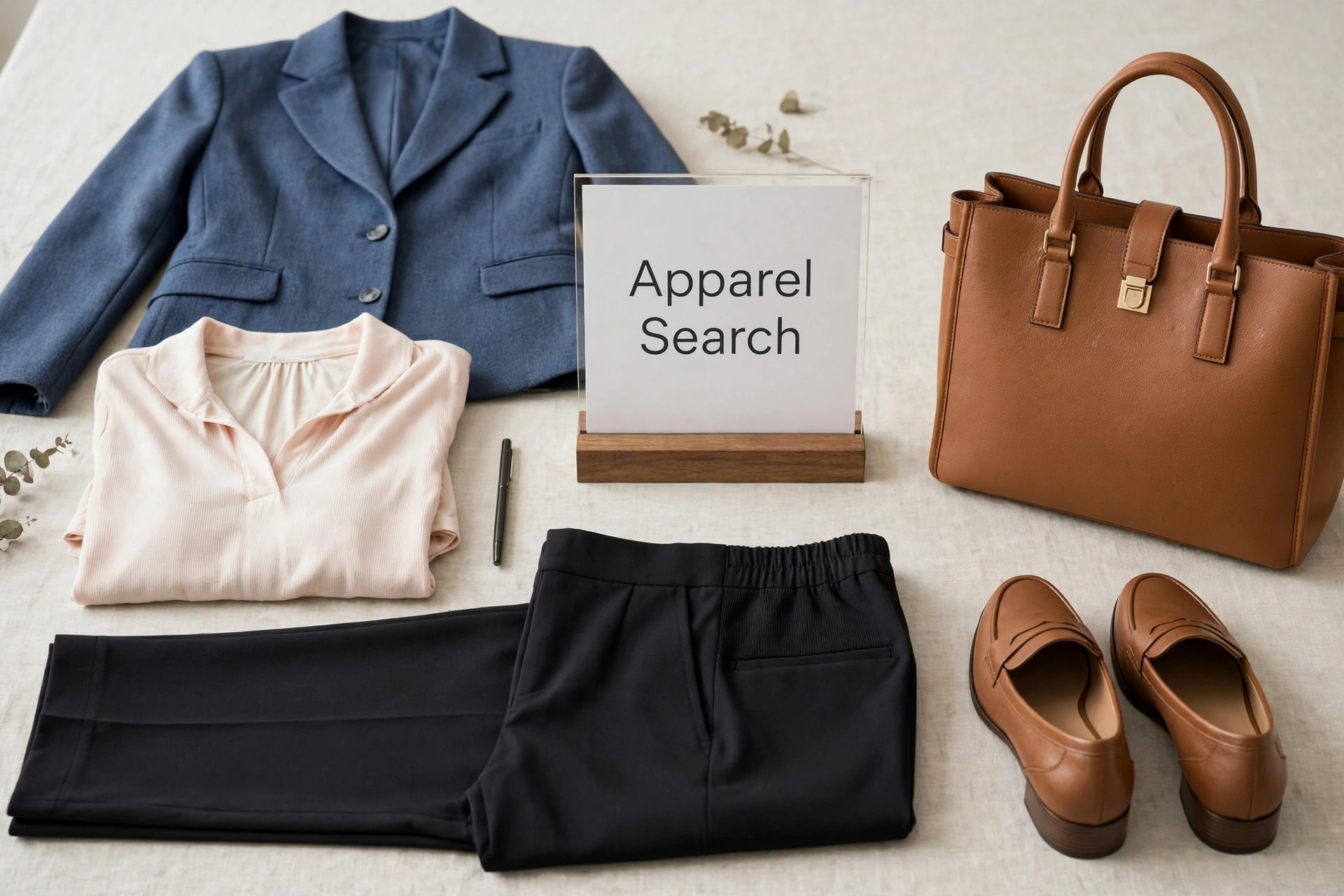 Maternity Workwear GuideWorking through pregnancy: trimester-by-trimester office dressing, the small work capsule, and footwear that lasts a long day.
The After-Baby Wardrobe, Stage by Stage
- The first weeks. Comfort is the entire brief. Soft, loose clothing that opens at the front, nothing that presses or digs, and fabrics that survive constant washing. Maternity bottoms with their soft panels stay in rotation — they are the most forgiving waistbands you own — joined by pajamas and loungewear that can receive visitors without a costume change. Our postpartum dressing guide builds this wardrobe piece by piece.
- The nursing months. If you are breastfeeding, access becomes the deciding feature in every top and dress you wear. Purpose-built nursing clothing engineers that access in — panels that lift, fronts that pull aside, clips that open one-handed — while plenty of ordinary clothes turn out to work with the right layering. The nursing clothing guide explains each access style, and the outfit formulas show how to build feeding-friendly outfits from a regular wardrobe.
- The transition. Sizes settle gradually, not on a schedule, and the wardrobe should be just as gradual: bridge pieces that work across sizes, maternity pieces retired one at a time as regular clothes come back, and no big shopping decisions made for a body still in motion. Comfort stays in charge — a waistband that worked at three weeks may simply be replaced, not endured, at three months.
- The return. Work, occasions and a social life come back into the diary, and the wardrobe follows: office dressing that accommodates feeding breaks if you are pumping or nursing at work, occasion outfits chosen for their fronts as much as their looks. The maternity workwear guide covers the office side, from the pregnancy capsule through the return.
What Carries Over from the Maternity Wardrobe — and What Doesn't
Carries over well: wrap tops and dresses (the crossover front doubles as nursing access), empire-line and stretch pieces that skim rather than cling, cardigans and open layers of every kind, maternity jeans and trousers worn for their soft waistbands, and maternity sleepwear, which is usually cut generously enough to serve the night feeds too.
Usually retires: pieces bought purely for the bump — strongly shaped dresses whose extra fabric now has nowhere to go, under-bump bands that no longer stay up — and anything whose fit depended on the pregnancy shape it was cut for. Structured pre-pregnancy clothes come back on their own timeline; the honest test is a try-on, not the calendar.
Common Questions
What is the difference between maternity clothes and nursing clothes?
They solve different problems. Maternity clothes make room for a growing bump — stretch panels, ruched sides, extra length in front. Nursing clothes are built for access: their tops and dresses open, lift or pull aside so a baby can feed without the garment coming off. Many pieces are dual-purpose and do both, which is why the two rails blur in shops — check which feature a given piece actually offers before you buy it for the other job.
How long do you wear postpartum clothes?
There is no standard timetable, because it is a clothing question rather than a deadline: most women keep maternity and postpartum pieces in rotation for the first weeks and months after birth, retiring them one at a time as regular clothes fit comfortably again. Waistbands are usually the last thing to change — soft panels and drawstrings stay useful long after tops and dresses have been swapped back.
Can regular clothes work for nursing?
Very often, yes. Two-piece outfits are the easiest — a top that lifts, over a layer that stays in place — and wrap fronts, button fronts and deep stretch necklines all give access without being designed for it. Dedicated nursing clothes add convenience engineering: hidden openings, one-handed clips and double layers that keep you covered. Our breastfeeding-friendly outfits guide builds whole outfits from ordinary wardrobe pieces.
What should I buy first for after the baby arrives?
Buy small and buy for comfort: a few tops with genuine access if you plan to breastfeed, a soft bra that fits the body you have now rather than the one you expect later, and bottoms with forgiving, adjustable waistbands. Sizes are still changing in the first weeks, so the first purchases should be the hardest-working few pieces, not a whole new wardrobe.
Shop the Maternity Wardrobe First
The cheapest after-baby wardrobe is the one already hanging in your closet. Before buying anything new, work through the maternity rail with fresh eyes — wrap fronts, stretch pieces and soft waistbands are probably already there. The garment-by-garment inventory is in our maternity clothes guide.